The short version
- Newcastle University appointed Anant Ambani as a professor of practice in sustainability, citing his work in conservation and environmental stewardship.
- Critics argue the role conflicts with the family's primary wealth source in oil and gas and raise concerns about corporate influence on academic integrity.
- Previous investigations into Ambani’s private zoo raised questions about animal sourcing, though legal findings have been mixed and some recommendations were reversed.
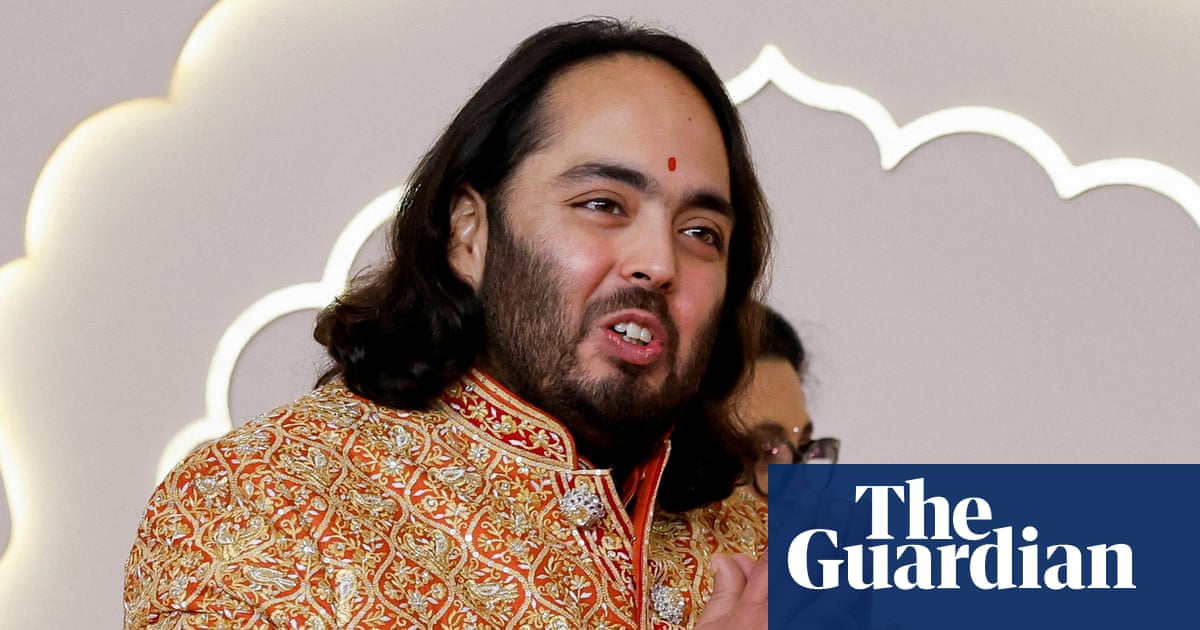
Newcastle University has appointed Anant Ambani to a professorship of practice focused on sustainability, a decision that has triggered immediate criticism from conservationists, academic staff, and environmental experts. The university stated the role recognizes Ambani’s contributions to biodiversity protection, animal welfare, and environmental stewardship, as well as his efforts to advance a more sustainable future. However, the selection has been met with skepticism regarding the alignment between the appointee’s background and the field of sustainability.
Ambani is the son of Mukesh Ambani, widely regarded as India’s wealthiest individual, whose fortune was built primarily through Reliance Industries’ dominance in oil and gas. The conglomerate operates the world’s largest oil refinery and maintains close political ties with India’s ruling Bharatiya Janata Party. Critics point out that while Ambani leads renewable energy initiatives within the family business, his wealth remains fundamentally linked to fossil fuel extraction and refining, creating a perceived conflict of interest for an academic role dedicated to sustainability.
Beyond his corporate responsibilities, Ambani is known for operating Vantara, a large private wildlife facility located near the family’s industrial operations in Gujarat. The site covers approximately 1,400 hectares and houses over 150,000 animals, including significant populations of lions, leopards, and crocodiles. The facility has been the subject of intense scrutiny due to concerns about how these animals were acquired, particularly given that many are endangered species. While Vantara has not been found guilty of wrongdoing in legal proceedings, questions regarding ethical sourcing persist within the conservation community.
Academic staff at Newcastle University have expressed objection to the appointment, with union representatives citing environmental concerns as a primary reason for their dissent. Ramachandra Guha, a prominent scholar of Indian environmentalism, described the choice as mystifying and suggested that numerous other experts in soil science, energy, and ecology would have been more appropriate candidates. He questioned whether the university conducted adequate due diligence and warned that the appointment could damage the institution’s intellectual standing and credibility.
Broader concerns have been raised about the increasing influence of corporate wealth on higher education institutions. Prof Lyla Mehta from the University of Sussex noted that as public funding for universities declines, there is a growing risk that billionaire and corporate money will shape academic agendas. She emphasized that universities should serve as spaces to question power and hold corporations accountable rather than granting them academic legitimacy through honorary titles or professorships.
The controversy surrounding Vantara has been compounded by investigative reports suggesting irregularities in animal imports. A 2025 investigation by the German newspaper Süddeutsche Zeitung indicated that many animals arrived through countries with opaque wildlife trading networks, raising suspicions of illegal trafficking. Although an Indian Supreme Court review cleared the zoo’s operators of wrongdoing, a subsequent fact-finding mission by Cites, the UN body regulating endangered species trade, found that some permits used for imports were likely forged.
Cites recommended restrictions on India’s imports of endangered wild animals to prevent inadvertent demand for illegally sourced specimens. However, this recommendation was later reversed following objections from India, the United States, and Japan, who argued there was insufficient proof of illegal imports. This reversal has further fueled debate among conservationists about the transparency and legality of large-scale private wildlife facilities.
In April, Ambani launched Vantara University, described as the world’s first global university dedicated to wildlife conservation and veterinary science. This move has been viewed by some critics as an attempt to legitimize his family’s environmental credentials through educational institutions. Lorne Stockman from Oil Change International argued that publicly funded institutions must do better during a climate crisis that demands urgent phaseouts of oil and gas, rather than honoring figures tied to the industry.
The backlash highlights a growing tension between traditional academic values and the increasing role of private wealth in shaping public discourse on sustainability. As Newcastle University defends its decision, it faces pressure to clarify how such appointments align with its mission to promote rigorous, independent scholarship. The incident serves as a case study in the challenges universities face when engaging with high-profile figures whose professional histories may contradict the principles they are asked to represent.
What comes next remains uncertain, as the university has not indicated whether it will reconsider the appointment or address the specific concerns raised by staff and external experts. The situation underscores the difficulty of defining sustainability in an era where corporate interests often intersect with environmental goals. Observers will likely watch how Newcastle University handles this controversy and whether it sets a precedent for future engagements between academia and fossil fuel-linked entities.
Sources behind this briefing
Go to the original reporting
- The Guardian World↗Indian oil and gas heir made professor of sustainability at Newcastle University

