The short version
- The Opportunity party cleared the 5% threshold, becoming the first new party since 1996 not spawned from an existing faction to enter parliament.
- Leader Qiulae Wong positions her group as a pragmatic alternative to populism, prioritizing climate action and health reform in coalition talks.
- Complexities involving overhang seats and low voter turnout have triggered renewed debate about the stability of New Zealand’s proportional representation system.
New Zealand’s political landscape has shifted dramatically following a tightly contested election that failed to produce a decisive winner for either the incumbent right-wing coalition or the opposition left bloc. The final outcome, which will not be confirmed until November 27 due to the processing of approximately 400,000 special votes cast overseas or outside local electorates, has placed significant power in the hands of minor parties. Among them is the Opportunity party, a centrist group that secured 5.9% of the party vote, successfully clearing the threshold required for parliamentary representation.
This result marks a historic milestone for New Zealand’s mixed-member proportional (MMP) electoral system, which was established in 1996. The Opportunity party is the first new political entity to enter parliament since that time without being formed by an existing member of parliament or splitting from an established party. Its leader, Qiulae Wong, also makes history as the first party leader of Asian ethnicity in the country. With seven newly elected MPs arriving in Wellington for their induction, the party is poised to play a pivotal role in determining which bloc forms the next government.
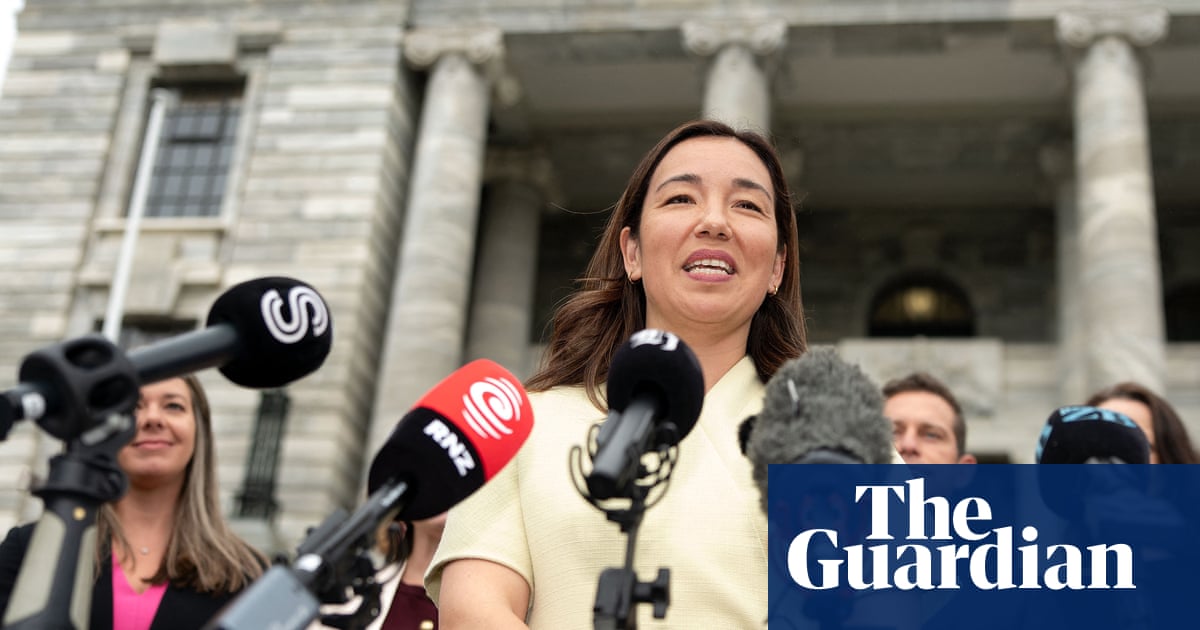
Wong has framed her party’s entry into parliament as a rejection of populist politics, arguing that such approaches lack substantive policy depth. Speaking from the steps of the parliamentary building, she emphasized that her supporters sought a more pragmatic direction for the nation. The Opportunity party plans to initiate negotiations with whichever major party secures the highest number of seats once all votes are tallied. However, Wong indicated that these talks would be guided by specific policy priorities rather than mere seat arithmetic.
The party’s platform centers on five key issues: addressing the supermarket duopoly, capping political donations, establishing a ten-year cross-party health plan, ending bottom trawling in the fishing industry, and strengthening climate commitments. Wong stated that aligning with a major partner would depend on their willingness to support this vision for a low-emissions future and a more inclusive society. This stance positions Opportunity as a potential swing vote capable of breaking the deadlock between the National and Labour parties.
The electoral dynamics have forced a shift in strategy among major party leaders. Christopher Luxon, leader of the centre-right National party, had previously ruled out cooperation with Opportunity but reversed this position following the election results. He announced plans to contact Wong shortly to discuss potential areas of collaboration and common ground. This outreach underscores the precarious balance of power, as neither National nor Labour managed to secure 30% of the vote, marking their worst combined performance in MMP history.
The surge in support for minor parties reflects broader public frustration with high living costs and perceived incrementalism in policymaking. In addition to Opportunity’s success, both the Greens and Act parties achieved their highest-ever results, while New Zealand First saw a significant jump in support. Te Pāti Māori also retained five electorate seats despite internal challenges. This fragmentation of the vote has complicated the path to government formation and highlighted the growing influence of smaller factions in Wellington.
Beyond the immediate coalition negotiations, the election has sparked serious questions about the integrity of New Zealand’s voting system. The current results suggest a potential for eleven overhang seats, occurring when parties win more electorate seats than their share of the party vote would normally entitle them to. Te Pāti Māori campaigned for voters to support only their electorate candidates to engineer such an outcome, while right-wing groups encouraged similar tactics to benefit National. These maneuvers have drawn criticism from political scientists who argue they undermine the proportional intent of MMP.
Dr. Lara Greaves, a political scientist at Victoria University of Wellington, noted that these complexities challenge the foundational purpose of the electoral system adopted in the 1990s. The election is also on track to record one of the lowest voter turnouts in New Zealand’s history, further complicating the mandate of the incoming parliament. As the final results are tallied, the focus remains on whether Opportunity can leverage its kingmaker status to secure meaningful policy concessions or if the structural issues within MMP will dominate the post-election discourse.
Sources behind this briefing
Go to the original reporting
- The Guardian US↗New Zealand’s Opportunity party takes aim at populist politics as it prepares to enter parliament


