The short version
- Prime Minister Christopher Luxon survived a vote of confidence within his National Party caucus, marking the second such challenge in four months.
- The leadership crisis was triggered by recent gaffes regarding small businesses and electoral reform, compounding concerns over sluggish economic growth.
- Despite retaining party support, Luxon’s personal popularity has dropped to 17%, raising questions about his ability to lead into November's election.
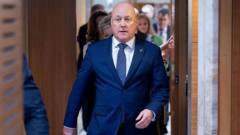
New Zealand Prime Minister Christopher Luxon has retained his position as leader of the National Party after surviving a vote of confidence, marking the second time in four months that his leadership has been formally tested. The urgent caucus meeting in Wellington concluded with Luxon declaring that he holds the full backing of his parliamentary colleagues. He emphasized that the party remains united and focused on securing victory in the general election scheduled for November 7.
The decision to call an emergency session came after intense speculation regarding a potential leadership coup reached a peak earlier in the week. Luxon addressed reporters following the three-hour gathering, stating clearly that the confidence vote had passed. He was joined by Deputy Prime Minister Nicola Willis and National Party President Sylvia Wood. Notably, several senior figures who had been rumored as potential successors, including Chris Bishop, Erica Stanford, and Mark Mitchell, stood beside him, a move widely interpreted as a deliberate signal of internal cohesion.
Despite the procedural victory, the episode highlights significant vulnerabilities within the ruling coalition. The National Party has struggled to project stability, a core tenet of its political branding, as internal doubts have surfaced publicly. Political analysts suggest that while the party chose to stick with a known quantity rather than risk an untested leader, the perceived lack of confidence may leave lasting scars on Luxon’s authority. The threshold for removing a sitting prime minister is high, but the necessity of such a vote indicates deep-seated concerns among lawmakers.
The leadership challenge follows a series of controversial statements that have drawn sharp criticism from both the public and political opponents. Last week, Luxon faced backlash after suggesting on live radio that New Zealand should hold a referendum on its mixed-member proportional electoral system. This announcement was made without prior consultation with party colleagues, leading to further apologies and accusations of poor communication. Earlier in the month, he angered business leaders by characterizing their relationship with the government as having a 'parent-child mentality,' implying an overreliance on state support during difficult economic times.
Economic headwinds have compounded these political missteps. New Zealand is currently experiencing sluggish growth, with unemployment rising to 5.6 percent, an eleven-year high. Inflation remains above the central bank’s target range of one to three percent. These macroeconomic indicators have weighed heavily on public sentiment, contributing to a decline in support for the National Party. While recent polling suggests the coalition might still secure enough votes to remain in power, the margin is narrow and the trajectory is concerning for the incumbent government.
Public opinion data underscores the severity of Luxon’s popularity slump. A poll released by 1News Verian on Wednesday morning showed his preferred prime minister rating falling to 17 percent, a new low for his tenure. Although he remains ahead of Labour leader Chris Hipkins, who polled at 15 percent, the gap is minimal and reflects a broader dissatisfaction with the current administration’s performance. The decline in personal popularity contrasts with the initial optimism surrounding Luxon’s election victory in 2023, when he promised to reduce taxes and lower the cost of living.
Opposition leaders have seized on the internal turmoil to question the National Party’s competence. Labour leader Chris Hipkins criticized the party for spending time fighting over jobs rather than addressing the needs of hardworking citizens. Green Party co-leader Chlöe Swarbrick echoed these sentiments, arguing that the leadership tussle demonstrates a misplaced focus away from critical national issues. The opposition frames the instability as evidence that the government is distracted and ineffective, potentially swaying undecided voters in the coming weeks.
Looking ahead, Luxon faces the difficult task of rebuilding trust both within his party and among the electorate. Political commentators note that while the immediate crisis has been averted, the underlying issues remain unresolved. Analysts warn that without significant self-reflection and strategic adjustment, similar challenges could arise again. The National Party must now demonstrate that it can deliver on its promises amidst economic stagnation, turning a fragile unity into a compelling narrative for voters just months before the ballot box opens.
The coming weeks will be critical in determining whether Luxon can stabilize his leadership and rally support for the November election. The party’s ability to present a clear, positive vision for the country will be tested against ongoing economic difficulties and persistent public skepticism. While the confidence vote provided a temporary reprieve, the political landscape remains volatile, with every subsequent action by the prime minister likely to be scrutinized under intense pressure.
Sources behind this briefing
Go to the original reporting
- BBC World↗New Zealand PM survives second leadership challenge ahead of election
- The Guardian US↗New Zealand PM Christopher Luxon wins confidence vote, surviving second challenge to leadership

