The short version
- Healthcare has emerged as the second most pressing issue for voters in New Zealand, trailing only cost of living concerns ahead of the November election.
- Medical professionals report severe staffing deficits and infrastructure failures, describing a system that has reached a critical tipping point due to chronic underinvestment.
- The ruling coalition defends its record by highlighting improved immunization rates and increased elective surgeries via private providers, despite falling short of hiring targets.
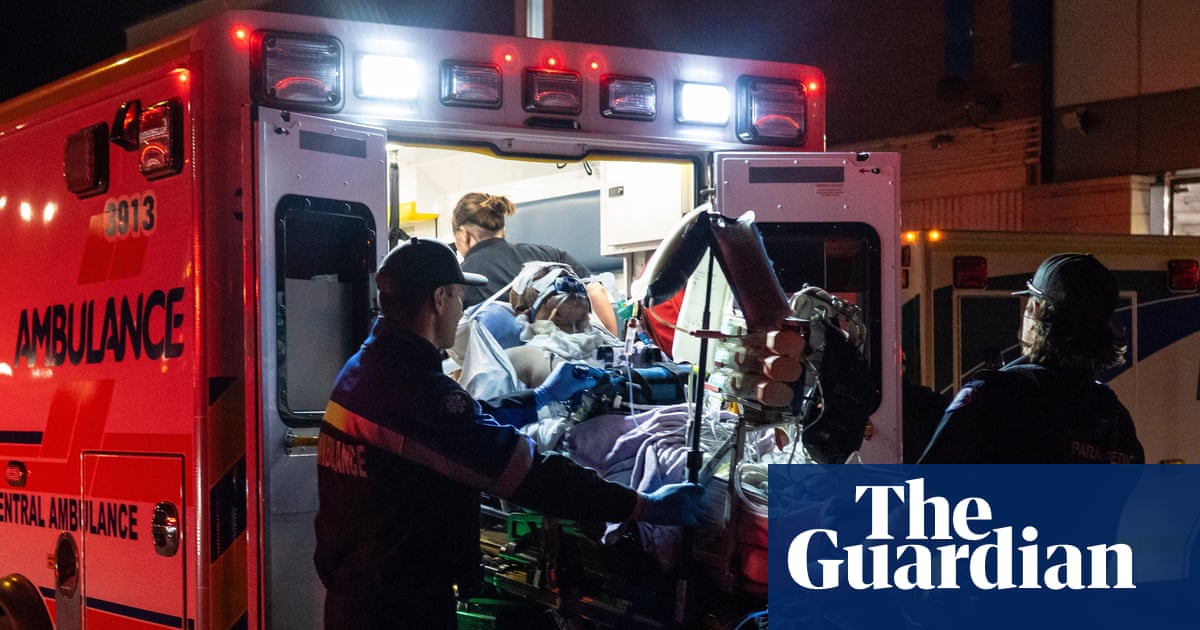
As New Zealand prepares for its November general election, the nation’s healthcare system has become a central flashpoint in political discourse. Recent polling indicates that nearly half of the electorate views health services as their primary concern, ranking it just behind the rising cost of living. This surge in public anxiety stems from widespread reports of stretched emergency departments, prolonged waits for family doctors, and delayed access to specialist care. For many citizens, these systemic failures are no longer abstract policy issues but daily realities that threaten their physical well-being and financial stability.
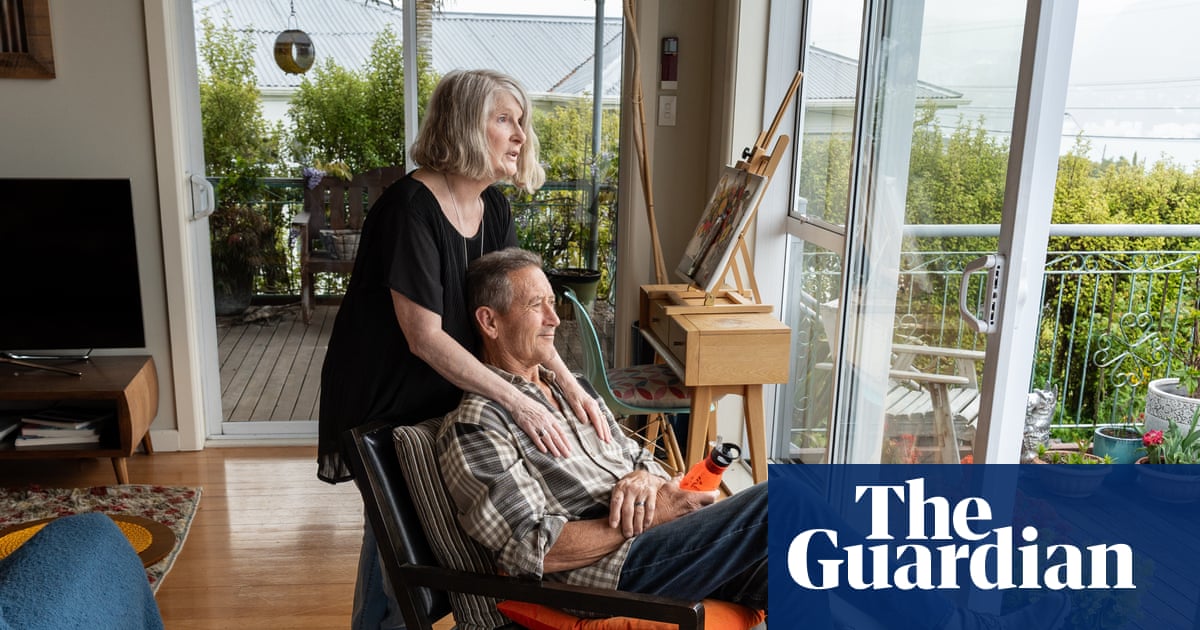
The human toll of these delays is evident in the experiences of residents across both islands. In one South Island community, a couple who previously contributed actively to local civic life now rely on disability assistance after failing to secure timely medical intervention. The husband, a former roofer, endured months of waiting for back surgery that ultimately failed to provide lasting relief, forcing him into repeated emergency department visits for severe pain. His wife, managing long-term health complications herself, describes the exhausting cycle of seeking care and the financial strain of navigating a system that often leaves patients without adequate support or clear pathways to treatment.
Medical professionals on the ground describe an environment where safety is increasingly compromised by resource constraints. Dr. Katie Ben, president of the Association of Salaried Medical Specialists, characterizes the situation as a gradual decline that has finally reached a breaking point. She notes significant reductions in nursing staff at her local hospital and highlights the use of earthquake-prone buildings for surgical wards, despite plans for replacement dating back over a decade. The shortage extends beyond nursing to include doctors and adequate bed space, creating a bottleneck that affects every level of patient care.
The exodus of healthcare workers to Australia has exacerbated these domestic shortages. Many nurses and physicians report that salaries in neighboring countries can be up to thirty percent higher, making it difficult for New Zealand facilities to retain experienced staff. This brain drain coincides with policy shifts that critics argue have further destabilized the public system. The rollback of initiatives designed to improve access for Māori communities, combined with increased funding directed toward private hospitals, has led to concerns about the emergence of a two-tiered system. In this model, those with greater financial means can secure timely care, while others face record numbers of presentations at emergency departments due to an inability to see general practitioners.
High-profile incidents have brought these systemic vulnerabilities into sharp relief. One particularly grim case involved a man who died after collapsing in hospital toilets following a nine-hour wait in a busy emergency department. Such events underscore the severity of the crisis and fuel public outrage. The ruling National-led coalition has faced intense scrutiny for what opponents describe as chronic underfunding that worsened during the pandemic and has continued to deteriorate. Critics argue that the government’s approach has allowed essential services to crater, leaving vulnerable populations without adequate protection.
In response to mounting criticism, Health Minister Simeon Brown maintains that the system is showing measurable signs of improvement. He points to data indicating that three-quarters of emergency department patients are now seen within the target six-hour window. Additionally, he highlights improvements in childhood immunization rates and elective surgery waiting times. The government’s strategy includes leveraging private hospital capacity to deliver an additional forty thousand elective surgeries, a move intended to alleviate pressure on public facilities. However, Brown acknowledges that significant challenges remain, admitting that too many New Zealanders continue to wait excessively long for necessary care.
Discrepancies between government promises and actual outcomes have further eroded trust. It was recently revealed that only fifty-four additional full-time nurses had been hired since the coalition took power, a figure starkly contrasting with the initial pledge to recruit two thousand new staff members. This shortfall has intensified debates over resource allocation and strategic priorities within the health sector. While the government emphasizes efficiency and private sector partnerships, unions and patient advocates argue that these measures do not address the fundamental lack of infrastructure and personnel required for a robust public system.
International comparisons offer a mixed picture of New Zealand’s standing. Data from the Organisation for Economic Co-operation and Development places the country near the middle in overall healthcare performance. While health expenditure per capita and the number of practicing nurses are above average, the nation lags behind peers in terms of hospital beds and doctor availability. These metrics suggest that while some aspects of the system are well-resourced, critical capacity issues persist. As the election approaches, voters will likely weigh these structural deficiencies against the government’s claims of progress.
The political landscape reflects this uncertainty, with recent polls showing a tight race between major parties. National and Labour are tied at twenty-eight percent support, while the Greens hold fifteen percent. Smaller parties, including ACT, NZ First, and Opportunity, each command roughly ten to eight percent of the vote. The potential for coalition dynamics to shift adds another layer of complexity to the healthcare debate. Regardless of the election outcome, the underlying issues of staffing, funding, and access will require sustained attention to prevent further deterioration of public trust and patient outcomes.
Looking ahead, the resolution of these healthcare challenges will depend on whether policymakers can bridge the gap between political rhetoric and practical implementation. The current crisis highlights the fragility of a system pushed beyond its operational limits. Without substantial investment in workforce retention, infrastructure modernization, and equitable access, the strain on both patients and providers is likely to continue. The upcoming election offers a critical opportunity for New Zealanders to demand accountability and prioritize long-term stability over short-term fixes.
Sources behind this briefing
Go to the original reporting
- The Guardian US↗‘You reach a tipping point’: New Zealand’s strained healthcare system at centre of election battle