The short version
- A proposed New York state ban on paraquat died in the legislature due to time constraints caused by a prolonged budget standoff.
- Local residents and neurologists identify a high concentration of Parkinson’s cases in Hebron, attributing the cluster to decades of herbicide use.
- Scientific studies consistently associate paraquat exposure with increased Parkinson’s risk, yet the chemical remains legal in the United States despite bans elsewhere.
Legislation aimed at prohibiting the use of paraquat in New York failed to secure a vote during the recent legislative session. The bill, which would have made the state the second in the nation to restrict the herbicide after Vermont, stalled because lawmakers were occupied with resolving a protracted budget dispute. Assembly Member Linda Rosenthal, who sponsored the measure, noted that hundreds of other bills also missed their window for consideration. She indicated that the delay means more residents may be exposed to the chemical before a potential future ban takes effect.
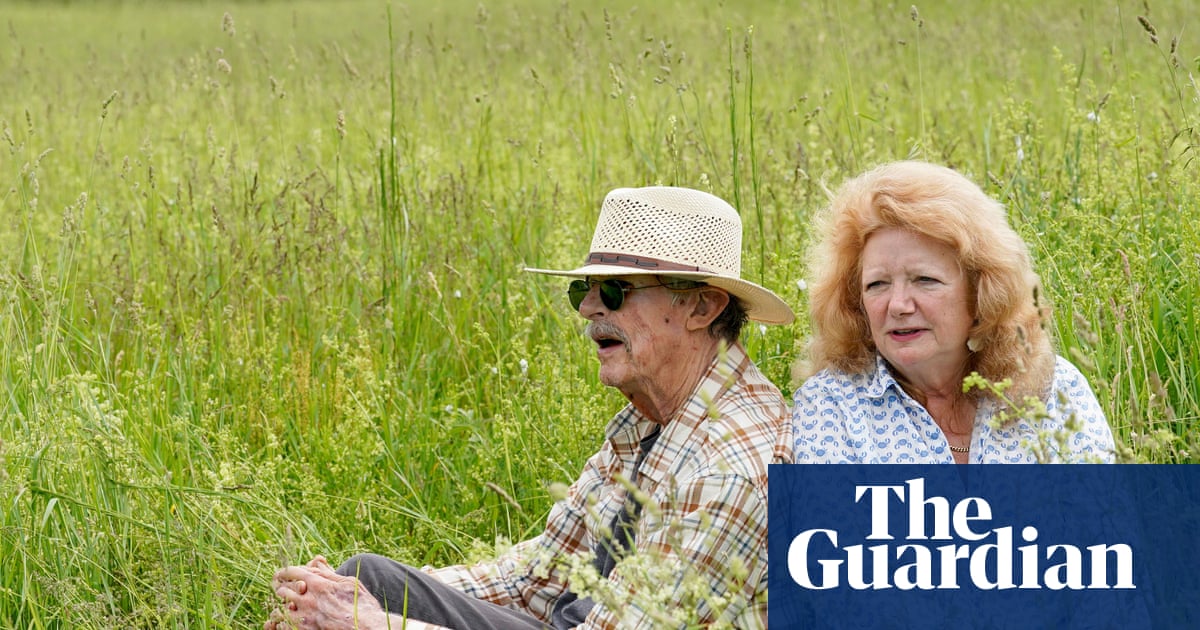
The push for regulation stems from concerns raised by communities in Washington County, particularly around the town of Hebron. Sarah Teale, a resident of the area, has identified a seven-mile stretch of highway where fourteen people have been diagnosed with Parkinson’s disease. She refers to this corridor as Parkinson’s Valley and believes the cluster is not coincidental. Her husband, Gordon Chaplin, an eighty-one-year-old farmer, was diagnosed with the incurable neurodegenerative disorder after experiencing symptoms such as tremors, cognitive changes, and motor dysfunction. Chaplin has no family history of the disease, leading him to suspect environmental factors.
Chaplin and Teale attribute their health issues to the long-term application of paraquat on their land. For decades, a tenant farmer used the herbicide to control broadleaf weeds and grasses on their two-hundred-acre property. The couple is not alone in their suspicion; Teale has found dozens more cases in neighboring towns. This localized concern mirrors broader national trends regarding pesticide safety. Paraquat use across the United States doubled between 2014 and 2018, reaching at least eleven million pounds annually according to US Geological Survey data. While New York’s usage ranked thirty-first nationally in 2018, it was among the top ten states in earlier years.
Scientific literature has linked paraquat exposure to Parkinson’s disease for decades. Research dating back to the late 1990s suggests a correlation between the chemical and the disorder. A study published in 2011 found that farmers who applied paraquat were two and a half times more likely to develop the disease than those who did not. More recent findings from 2024 indicate that individuals living or working near sprayed areas face double the risk. Deborah Cory-Slechta, a neurotoxicologist at the University of Rochester, described the body of evidence connecting paraquat to Parkinson’s as one of the strongest databases linking chemical exposure to disease.
Medical experts emphasize that environmental factors play a significant role in the development of Parkinson’s, countering the common belief that genetics or aging are the primary causes. Ray Dorsey, a neurologist at the Atria Research and Global Health Institute, noted that approximately eighty-five percent of Americans with the condition carry no known genetic risk factor. He argues that the principal causes lie outside the body, in environmental exposures. Dorsey published a book identifying Hebron as a hotspot for the disease, suggesting that continued paraquat use may be contributing to future cases.
Despite these findings and international precedents, paraquat remains legal in the United States. The herbicide is banned in more than seventy countries, including China, Brazil, and all member states of the European Union. In the US, the Environmental Protection Agency has acknowledged the toxicity of the chemical, warning that even a small accidental ingestion can be fatal. The agency requires special training for those who apply paraquat but has not moved to ban it outright. Under the Biden administration, the EPA determined it needed more time to fully examine the health risks associated with its use.
The legislative failure in New York leaves residents like Chaplin without immediate regulatory relief. Chaplin, who has owned his farm for over forty years, now relies on a cane and caregiver support to navigate his property. He reflects on the loss of his physical abilities and the uncertainty surrounding the cause of his illness. While he cannot prove with certainty that paraquat caused his condition, the temporal link between exposure and symptom onset is clear to him and his wife. Their story highlights the tension between agricultural practices and public health concerns in rural America.
As the legislative session concludes, the issue remains unresolved. Rosenthal has pledged to reintroduce the ban in the next session, aiming to prevent further suffering among residents exposed to the herbicide. The debate underscores the difficulty of balancing economic interests in agriculture with emerging scientific evidence on chemical safety. Until new laws are passed or federal regulations change, communities like Hebron will continue to grapple with the health impacts of widespread pesticide use.
The situation in New York serves as a case study for other states considering similar restrictions. Fourteen states introduced bills this year to limit or ban paraquat, reflecting growing awareness of its potential dangers. However, political priorities often overshadow public health initiatives, as seen in the budget standoff that derailed the New York proposal. The outcome will likely depend on continued advocacy from affected communities and sustained pressure from medical professionals who view environmental exposure as a critical factor in neurodegenerative disease.
For now, the landscape of Washington County remains unchanged. The Adirondack and Catskill mountains still frame the horizon, but for residents like Chaplin, the view is marred by health concerns. The lack of definitive proof does not diminish their experience or the statistical anomalies present in their community. As research continues to evolve, the question of whether paraquat contributes to Parkinson’s disease remains a pressing issue for policymakers, scientists, and those living in areas where the herbicide is heavily used.
Sources behind this briefing
Go to the original reporting
- The Guardian US↗‘Parkinson’s Valley’: the herbicide haunting a New York farm town

