The short version
- Vratislav Maňák’s new book uses fiction and history to trace queer spaces in Vienna, Prague, and Budapest, countering stereotypes of the region as inherently homophobic.
- Historical records indicate that key concepts of sexual identity originated in Central Europe, with decriminalization occurring earlier there than in some Western nations.
- The publication has inspired a contemporary art exhibition in Prague that explores themes of masculinity, vulnerability, and social resistance within the region’s cultural landscape.
A new literary work is challenging prevailing perceptions of Central Europe as a region defined by deep-seated homophobia and transphobia. Vratislav Maňák, a Czech writer and scholar, has released a book that blends fictional narrative with historical analysis to reveal the enduring presence of queer subcultures in cities such as Budapest, Prague, and Vienna. The work seeks to dismantle the political narrative often advanced by conservative leaders in Hungary, Czechia, and Slovakia, who frequently characterize homosexuality as a decadent cultural import from the West that arrived only after the collapse of communism in 1989.
The book, titled With Wittgenstein in a Gay Sauna, centers on a fictionalized account of the philosopher Ludwig Wittgenstein visiting a historic men’s bathhouse in Vienna. Maňák uses this narrative device to explore the tension between intellectual abstraction and physical desire, suggesting that language fails to capture the full reality of human existence in these intimate spaces. By placing a figure known for his rigorous logical theories into a setting defined by non-verbal interaction, the author highlights the often-overlooked bodily dimensions of queer life that have persisted in the region for centuries.
Maňák’s travelogue extends beyond Vienna to document historical and contemporary cruising grounds across Central Europe. In Budapest, he visits the Rudas bathhouse, noting its long history as a men-only space on weekdays. He points out that the very term homosexuality was coined in the 1860s by Karl Maria Kertbeny, a Hungarian translator and progressive thinker. This historical detail serves as a direct counterpoint to modern political rhetoric that frames queer identity as foreign or unnatural to Central European culture.
The narrative also explores Prague’s urban landscape, tracing routes used by gay men from the 1970s to the present day. Maňák describes how local communities have subversively reinterpreted public spaces, such as rocky trails near swimming pools and even demolished public toilets, turning them into sites of subtle social resistance. These accounts illustrate how queer individuals have long navigated and claimed space in cities that are often portrayed in international media as uniformly hostile to LGBTQ+ rights.
Historical scholarship supports the view that Central Europe played a pivotal role in the development of modern sexual identity concepts. Anita Kurimay, a historian at Bryn Mawr College, notes that capitals within the former Austro-Hungarian Empire were central hubs for sexological research and discourse. The widespread use of German and French among educated elites facilitated the circulation of ideas and bodies across borders, integrating these cities into broader European conversations about sexuality long before the twentieth century.
Evidence of this early engagement includes literary works such as Soma Guthi’s 1908 crime novel series Homosexual Love, which featured a detective solving cases involving wealthy gentlemen. Additionally, interwar Czechoslovakia saw the publication of The Voice, a progressive magazine that advocated for sexual reform and included personal advertisements. These examples demonstrate that public discourse around homosexuality existed in various forms, even if it remained largely taboo outside of specific professional or private circles.
Legal history further complicates the narrative of Central European backwardness regarding LGBTQ+ rights. Male homosexual acts were decriminalized in Czechoslovakia and Hungary in 1961, a full decade before similar reforms occurred in the United Kingdom. While individuals could still face prosecution for public offenses, this early decriminalization indicates that liberal sexual politics had roots in the region well before the post-1989 era. However, historians note that these legal changes did not necessarily challenge broader gender norms or eliminate social stigma.
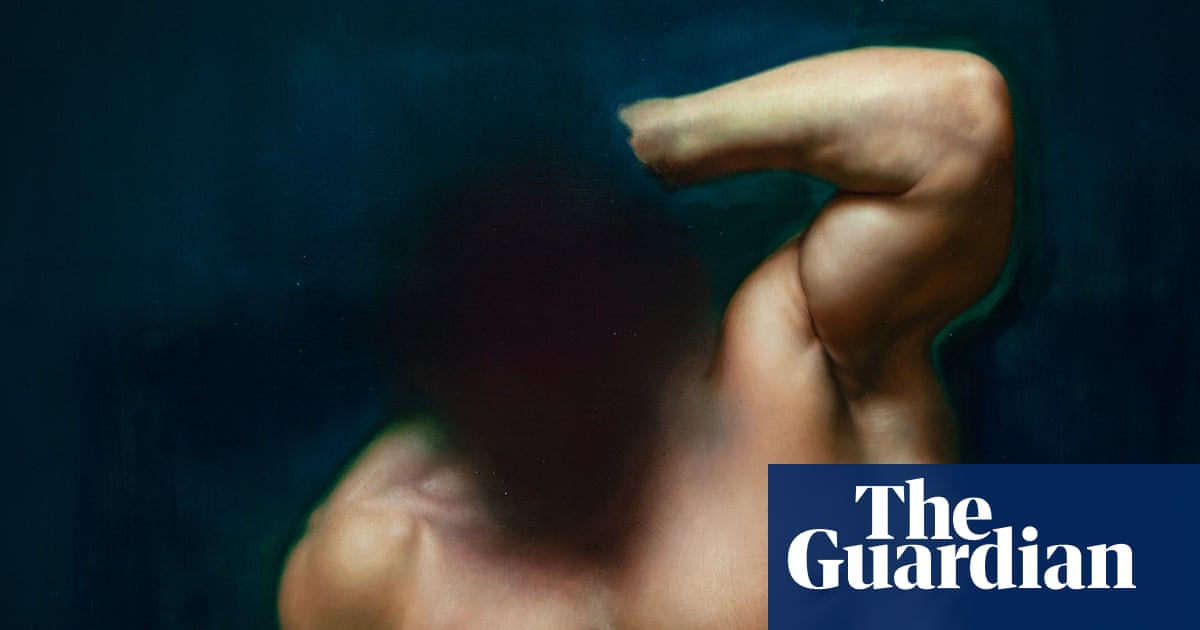
The cultural impact of Maňák’s work extends beyond literature into the visual arts. His book has inspired a new exhibition at Prague’s DOX Centre for Contemporary Art titled Andros, which examines portrayals of masculinity in Central European art. The exhibition focuses on themes of loneliness, vulnerability, and incompleteness, offering a nuanced look at male identity that contrasts with rigid traditional expectations. This interdisciplinary response underscores the growing effort to reclaim and reinterpret the region’s complex queer heritage.
While younger generations continue to create their own distinct queer spaces, Maňák’s work emphasizes the continuity of subversive practices across decades. The book serves as both a historical correction and a contemporary statement on social resistance. By documenting how urban spaces have been used and reimagined by queer communities, it provides a framework for understanding Central Europe not as a monolith of intolerance, but as a region with a rich, albeit often hidden, history of sexual diversity and cultural exchange.
The reception of the book in Czech and German markets has been significant, sparking broader discussions about national identity and historical memory. As political tensions regarding LGBTQ+ rights persist in the region, works like Maňák’s offer an alternative narrative grounded in local history rather than imported ideology. This approach challenges readers to reconsider assumptions about Central European culture and recognize the deep roots of queer life in cities that have long been part of Europe’s intellectual and artistic vanguard.
Sources behind this briefing
Go to the original reporting
- The Guardian US↗‘Homosexuality was coined by a Hungarian’: the gay-sauna travelogue questioning central Europe’s illiberal image


