The short version
- A new study published in the British Medical Journal suggests that as many as 97.7% of deceased former NFL players may have had chronic traumatic encephalopathy.
- The research analyzed 235 donated brains from a pool of 878 former players who died between 2016 and 2021, finding CTE in 215 cases.
- Researchers emphasize that cumulative head impacts during youth, high school, and collegiate years contribute significantly to the risk, not just professional play.
A significant shift in understanding the long-term health consequences of American football has emerged from new research published in the British Medical Journal. The study suggests that the prevalence of chronic traumatic encephalopathy among former National Football League players who have died is substantially higher than previously documented. Specifically, researchers estimate that between 24.5% and 97.7% of NFL players who passed away between 2016 and 2021 may have suffered from this degenerative brain disease. This upper bound represents a dramatic increase over earlier community-based studies, raising urgent questions about the cumulative toll of repetitive head trauma.
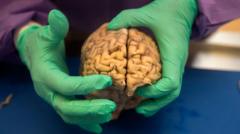
The findings are based on an analysis of 878 former players who died during that six-year window. Of these individuals, 235 had donated their brains to scientific research, allowing for post-mortem diagnosis. CTE can only be confirmed after death, making such donations critical for accurate prevalence data. Among the 235 examined brains, 215 were found to contain the pathological markers of CTE. This high rate within the donor pool led researchers to calculate a conservative minimum prevalence of 24.5% for the entire group of deceased players, with a maximum estimate reaching nearly universal levels at 97.7%.
Daniel Daneshvar, an associate professor at Harvard Medical School and the lead author of the report, highlighted the stark contrast between these findings and general population statistics. He noted that NFL players face approximately four times the risk of dying from neurodegenerative diseases compared to the broader public. The study also identified dementia as a common condition among the brain donors, further underscoring the severe neurological impact associated with a career in professional football. These results indicate that the burden of brain disease in this population is more widespread and severe than earlier models had predicted.
A critical component of the researchers' analysis involves the timing and source of head impacts. Daneshvar emphasized that the majority of concussive and sub-concussive blows experienced by these athletes did not occur during their professional careers. Instead, the cumulative damage accumulated over decades, beginning in youth leagues, continuing through high school and collegiate levels, and culminating in the NFL. This perspective shifts the focus from solely regulating professional contact to addressing head safety across all stages of athletic development. The study suggests that early exposure to repetitive head trauma lays the groundwork for later degenerative conditions.
The National Football League responded to the publication by reiterating its commitment to player safety and well-being. A league spokesperson stated that the organization continuously strives to make the game safer, citing strategies implemented to reduce concussions and overall head impacts. The NFL also pointed to expanding resources available to current and former players for physical and mental health support. The league encouraged individuals concerned about their health to utilize these services, framing the issue as one of ongoing management and care rather than solely a matter of past liability.
This research arrives against a backdrop of longstanding legal and regulatory battles regarding brain health in football. In 2016, the NFL agreed to a $1 billion settlement with more than 5,000 former players following a protracted class-action lawsuit alleging that the league had concealed the risks of CTE. Prior to that, a 2011 Collective Bargaining Agreement had already limited the number of contact practices allowed during training camps. Despite these measures, the new data suggests that the underlying biological risk remains profound, potentially outpacing current preventive protocols.
The implications of these findings extend beyond statistical analysis, touching on the ethical responsibilities of sports organizations and medical institutions. With the number of brains donated by former players tripling since 2017, the dataset is becoming more robust, yet it still relies on voluntary participation which may introduce selection bias. Researchers have urged the NFL to adopt stricter prevention measures aimed at reducing repetitive head impacts across all levels of the sport. The gap between the conservative minimum and the maximum prevalence estimates highlights the uncertainty inherent in studying a condition that requires post-mortem confirmation.
As the scientific community continues to refine its understanding of CTE, the pressure mounts on football organizations to prioritize long-term athlete health over short-term competitive gains. The study serves as a stark reminder that the physical costs of the sport are not confined to acute injuries but manifest in chronic, degenerative conditions that affect players long after their careers end. Future research will likely focus on identifying biomarkers that could allow for diagnosis during life, potentially changing how the league manages player health and retirement planning.
Sources behind this briefing
Go to the original reporting
- BBC Sport↗Brain disease in ex-NFL players 'higher than previously shown'
