The short version
- Children born in Europe today are projected to experience three additional years of extreme fire weather over their lifetimes compared to those born in 1950.
- The Mediterranean region faces the steepest increase, with the generation born from 2025 onward expecting five more years of exposure than baby boomers.
- Researchers attribute 86 percent of the increased risk to global heating, while longer life expectancy accounts for the remaining 14 percent.
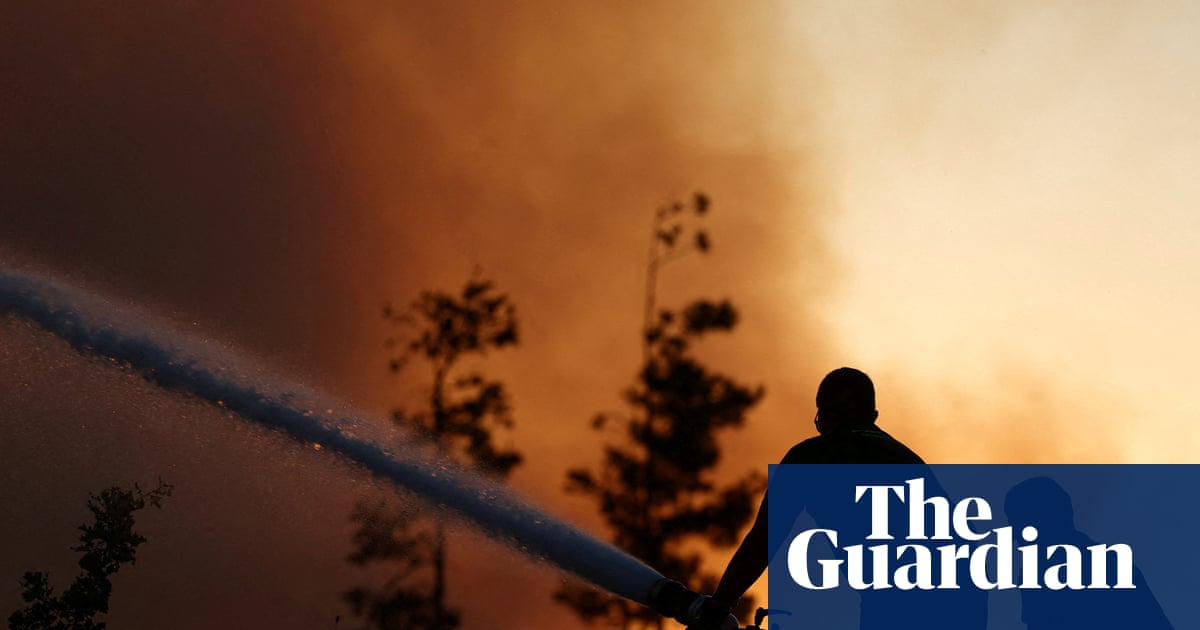
A new analysis reveals that children born in Europe after 2025 will confront almost twice the amount of extreme fire weather over their lifetimes compared to their great-grandparents. The study, led by researchers at Vrije Universiteit Brussel, indicates that under current policy trajectories, a child born this year can expect three more years of brutally fire-conducive conditions than someone born in 1950. This projection underscores a significant shift in environmental risk for younger generations as global heating intensifies.
The disparity is most pronounced in the Mediterranean basin. The demographic cohort known as Generation Beta, comprising those born from 2025 onward, faces five additional years of lifetime exposure to severe fire weather compared to the baby boomer generation. These conditions are characterized by hot, dry, and windy environments that allow small ignitions to rapidly escalate into large, difficult-to-control blazes. The researchers note that while such meteorological conditions are necessary for extreme fires, they are not sufficient on their own; human factors and fuel availability also play critical roles.
The study combined demographic data with outputs from global climate models to tally days when fire weather exceeded the severity of the worst five percent of days recorded between 1985 and 2014. The analysis considered twenty-one scenarios ranging from 1.5C to 3.5C of global warming by century’s end. Under current policies, which point toward 2.6C of warming, exposure to extreme fire weather is projected to rise by 84 percent for children born today relative to those born in 1950.
Crucially, the researchers attributed 86 percent of this increased exposure to climate change itself, while only 14 percent was linked to people living longer lives. This distinction highlights that the growing risk is driven primarily by environmental shifts rather than demographic aging. If global warming were limited to 1.5C—a target likely to be breached within a few years—children born in 2025 would face 1.3 fewer years of extreme fire weather than projected under current policy paths.
Europe has warmed at twice the global average rate, exacerbating the impact of fossil fuel pollution and nature destruction that have heated the planet by 1.4C. Rosa Pietroiusti, the study’s lead author, emphasized that meteorological conditions are a key element of fire risk, determining the potential for fires to become super-destructive and spread rapidly. The worsening weather patterns have increasingly fueled large infernos that overwhelm local authorities, particularly in regions where vegetation management has historically suppressed low-intensity fires.
Recent events illustrate the urgency of these findings. Just last month, central Europe experienced fire-weather conditions unprecedented for older generations, resulting in record-breaking wildfires in Belgium and western Germany. Raúl Cordero, a climate scientist at the University of Groningen who was not involved in the study, described this as an inherent intergenerational injustice. He noted that while southern Europe saw declines in fire frequency due to improved suppression efforts, recent years have seen a reversal of this trend.
The reversal in southern Europe is partly attributed to aggressive fire suppression strategies that prevented low-intensity burns, leading to dangerous buildups of flammable vegetation. When climatological conditions become ripe, these fuel loads contribute to ferocious blazes. This summer, relentless heatwaves and widespread drought led to explosive wildfires across France, Spain, Italy, and other nations. The severity of fire weather broke records across the EU, with the total area burned shaping up to be the third-worst on record.
In response to these escalating crises, the European Union activated its civil protection mechanism nine times this year as countries scrambled resources to assist overwhelmed neighbors. Ursula von der Leyen, president of the European Commission, acknowledged the limitations of current responses during her annual state of the union address. She paid tribute to a Danish firefighter pilot who died in Greece and announced plans for a dedicated European firefighting fleet, stating that Europe needs to think bigger and learn faster to manage these growing risks.
The findings suggest that without rapid increases in climate action, the gap in environmental exposure between generations will continue to widen. The study serves as a stark indicator of how historical emissions are translating into tangible, life-altering risks for children born today. As extreme weather events become more frequent and severe, the capacity of existing infrastructure and emergency services to cope remains a critical concern for policymakers across the continent.
Future projections depend heavily on policy decisions made in the coming years. The spectrum of scenarios analyzed shows that limiting warming could significantly reduce the burden on future generations. However, current trajectories point toward continued intensification of fire weather, particularly in vulnerable regions like the Mediterranean. The data underscores the need for integrated strategies that address both climate mitigation and local fuel management to reduce the likelihood of catastrophic fires.
Sources behind this briefing
Go to the original reporting
- The Guardian World↗Babies ‘will face almost twice as much’ extreme fire weather in Europe than great-grandparents

