The short version
- A new review finds that nearly three-quarters of terrestrial and freshwater vertebrates rely on invertebrates for sustenance.
- Insects offer vital ecosystem services including waste removal, parasite control, and habitat creation beyond their role as prey.
- Experts argue that conserving insect populations is necessary to support the broader biodiversity crisis and maintain ecological stability.
A comprehensive review published in Nature Reviews Biodiversity challenges the conventional view of insects merely as a food source for larger animals. The study, led by Eliza Grames of Binghamton University, documents the extensive ways in which vertebrates depend on insect communities for survival and well-being. While it is established that nearly three-quarters of terrestrial and freshwater vertebrates consume invertebrates, the research emphasizes that these relationships extend far beyond simple predation.
The findings illustrate that insects function as critical infrastructure within ecosystems, providing protection, sanitation, and shelter to species ranging from birds and bats to reptiles and mammals. Grames describes insects as the 'little things that run the world,' noting that their roles are often overlooked in conservation strategies. The paper highlights dozens of specific interactions that demonstrate how deeply integrated insects are into the lives of other animals.
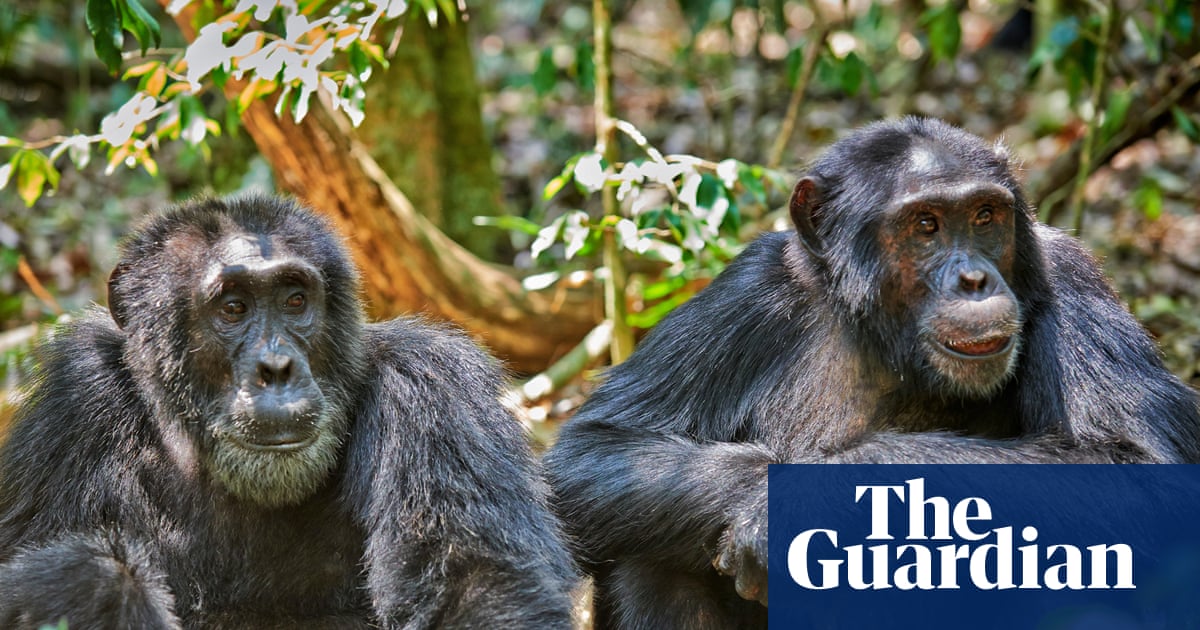
One significant area of dependence involves health and hygiene. Chimpanzees have been observed applying insects to treat open wounds, while more than 200 bird species utilize ants to remove parasites or maintain feather condition. Some birds even construct nests near stinging insects like wasps, likely to deter predators. These behaviors suggest that insects serve as active agents in disease prevention and physical maintenance for various vertebrate species.
Insects also provide essential shelter through the structures they build. Termite mounds and ant nests offer stable temperatures and humidity levels that birds, reptiles, and mammals exploit for roosting. For example, white-throated round-eared bats excavate cavities within termite mounds to create safe resting places. This architectural contribution by insects creates microhabitats that support biodiversity in ways that are not immediately apparent from surface-level observation.
Sanitation services provided by insects further underscore their ecological importance. Dung beetles remove animal waste, making it drier and more aerated, which reduces the survival rates of parasites. Moths living in bird nests consume feces, feathers, and other debris, keeping nesting sites clean. Evidence suggests these functions have persisted for millions of years, with fossil records showing beetles feeding on feathers in dinosaur nests during the Cretaceous period.
Mutually beneficial relationships also exist between insects and vertebrates. Sloths rely on specific moths to deposit nitrogen in their fur, which promotes algal growth that the sloths then consume. In return, sloths descend from trees monthly to defecate, providing a substrate for moth egg-laying. Other examples include beetles removing ectoparasites from rodents and snakes consuming firefly larvae to acquire defensive toxins. These complex interactions highlight the interdependence of species across different taxonomic groups.
The study warns that widespread disruption of insect communities is inevitable due to changing land use patterns. Grames calls this a wake-up call for biodiversity conservation, arguing that protecting insects is essential for preserving the species that rely on them. She notes that insects contribute significantly to global carbon cycles by decomposing leaf litter and dead wood, which accounts for about 12% of the global carbon forest stock.
Despite the clear evidence of their importance, predicting the consequences of insect decline on vertebrates remains difficult due to a lack of systematic research. Co-author Chris Elphick emphasizes that effective conservation strategies must account for the diverse roles insects play in vertebrate lives. He argues that failing to prioritize insect conservation undermines efforts to protect broader wildlife populations and ecosystem health.
The review underscores the need for a paradigm shift in how conservationists approach biodiversity. By recognizing insects as providers of critical ecosystem services rather than just prey, policymakers and researchers can develop more holistic strategies. The findings suggest that safeguarding insect populations is not only beneficial for their own survival but is also a prerequisite for maintaining the stability of entire ecosystems.
As land use changes continue to impact habitats worldwide, understanding these intricate relationships becomes increasingly urgent. The study serves as a reminder that the health of larger, more visible species is inextricably linked to the well-being of smaller, often ignored organisms. Future research must address the gaps in knowledge regarding trophic and non-trophic interactions to better predict and mitigate the impacts of biodiversity loss.
Sources behind this briefing
Go to the original reporting
- The Guardian World↗Insects play critical role in ecosystems beyond just providing food, new research shows