The short version
- Researchers found that humidity significantly accelerates the breakdown of mineral-based phosphorescent pigments used in late-20th-century art and fashion.
- The study distinguishes between fluorescent materials, which rely on organic dyes, and phosphorescent ones, which use inorganic compounds and behave differently under stress.
- Museum curators are updating exhibition guidelines to control moisture levels, ensuring that iconic neon works remain visible for future generations.
A critical vulnerability in the preservation of vibrant, light-emitting art has been identified by conservation scientists, shifting focus from traditional light-damage concerns to environmental humidity. Researchers presented new findings at a recent American Chemical Society meeting in Chicago, detailing how moisture accelerates the degradation of phosphorescent materials found in significant cultural artifacts. This discovery offers a more precise roadmap for museums tasked with maintaining the visual integrity of works that rely on glow-in-the-dark effects.
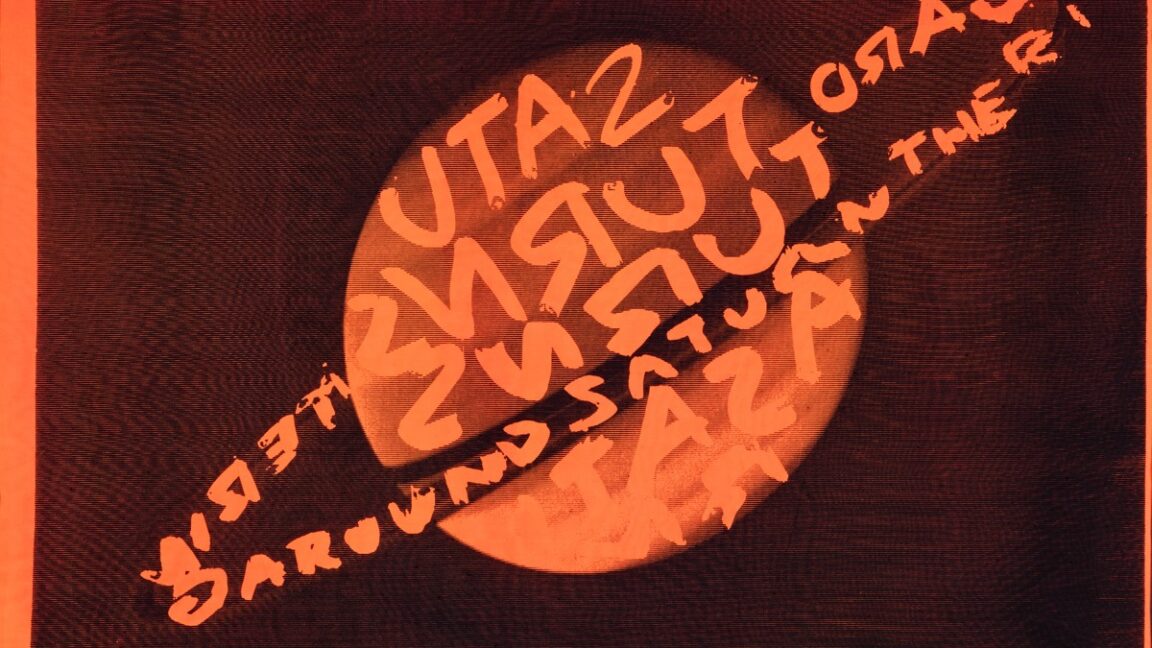
The research centers on the textile collection of the Indianapolis Museum of Art at Newfields, which houses several pieces designed by Stephen Sprouse. Sprouse was a defining figure in 1980s fashion, known for blending graffiti aesthetics with bright Day-Glo colors that appealed to icons like Debbie Harry and Andy Warhol. His work represents a specific challenge for conservators because the visual impact of these garments depends entirely on pigments that are inherently unstable over time.
To address this, Sarah Schmidtke Sobeck, a photochemist at The College of Wooster, has collaborated with Gregory Smith, a conservation scientist at the museum, for ten years. Their partnership began at a cultural heritage science conference and has since produced extensive studies on the composition and stability of fluorescent pigments. Earlier work revealed that optical brighteners in fluorescent dyes degrade faster than the colorants themselves, causing colors to darken even when the base pigment remains intact.
The recent study expands this understanding to phosphorescent materials, which function differently from their fluorescent counterparts. While fluorescence involves converting ultraviolet light into visible light to create brightness, phosphorescence allows materials to store energy and release it gradually as light after the source is removed. This phenomenon has been utilized since the Middle Ages in minerals known as phosphors and was famously involved in Henri Becquerel’s 1896 discovery of radioactive decay when uranium salts fogged photographic plates in a dark drawer.
Unlike fluorescent pigments, which typically use organic dyes, the phosphorescent materials found in Sprouse’s designs contain mineral-based pigments and inorganic compounds. This compositional difference means they respond to environmental stressors in unique ways. The researchers noted that while light exposure has long been considered the primary threat to such artworks, humidity plays an equally significant, if not greater, role in breaking down these specific inorganic structures.
The implications for museum practice are substantial. Conservationists must now account for moisture control as a primary factor in storage and exhibition strategies for glow-in-the-dark artifacts. This applies not only to high-fashion items but also to a wide range of objects that rely on phosphorescence, including traffic signage, safety gear, clock dials, and various toys. Understanding the photochemistry behind these materials is essential because artists intentionally use them for their visual power, making any loss of luminescence a direct loss of artistic intent.
Historical context further underscores the importance of this research. During World War II, fluorescent fabrics were used for US ground troops, and black light paints aided aircraft landings on Navy carriers at night. Since the mid-20th century, artists have extensively employed both phosphorescent and fluorescent materials, particularly in psychedelic art. Preserving these works requires matching colors under both visible and UV light, a complex task given that the pigments will continue to change subtly over time.
The next phase of this ongoing project will examine lithopone, a white pigment powder, to determine how long phosphorescent materials containing it retain their glow after being charged. By isolating variables such as humidity and light exposure, Sobeck and Smith aim to provide conservators with actionable data to extend the lifespan of these fragile artifacts. This scientific approach ensures that the distinctive aesthetic of designers like Sprouse remains accessible, rather than fading into obscurity due to poorly understood chemical decay.
Sources behind this briefing
Go to the original reporting
- Ars Technica↗Preserving glow-in-the-dark art and fashion for future generations

