The short version
- Molendotech plans to launch an app mapping water quality across the US and UK in October, using AI to predict bacterial levels based on real-time data.
- The company's rapid testing devices detect harmful bacteria in under 15 minutes, significantly faster than standard laboratory cultures which take up to two days.
- Rising reports of illness among swimmers and concerns about warming waters have increased demand for more frequent and accurate water safety monitoring.
A technology developed by a British university spinout is set to expand its reach into the United States this autumn, introducing live mapping tools designed to monitor water quality in real time. Molendotech, which originated from research at the University of Plymouth, intends to launch an application that aggregates data from daily bacterial tests alongside environmental factors such as rainfall and tidal movements. This initiative aims to provide more immediate insights into water safety than traditional monitoring systems currently offer.
The core of this new approach is a portable testing device capable of detecting harmful bacteria, including E. coli, within minutes rather than days. Standard regulatory testing typically involves collecting samples and sending them to laboratories where bacteria are cultured and counted, a process that can take between 24 and 48 hours. In contrast, the Molendotech system identifies endotoxins released when bacteria break down, providing results in less than 15 minutes. This speed allows for repeated testing on the same day, offering a more dynamic picture of water conditions.
The push for faster detection comes amid growing public concern over water pollution and sewage spills that have contaminated rivers and coastal areas in recent years. Campaign groups have recorded numerous incidents of beachgoers falling ill after swimming, with reports ranging from gastroenteritis to skin and ear infections. These health issues have sparked calls for government agencies to increase the frequency and accuracy of water testing, particularly in popular recreational locations where exposure risks are highest.
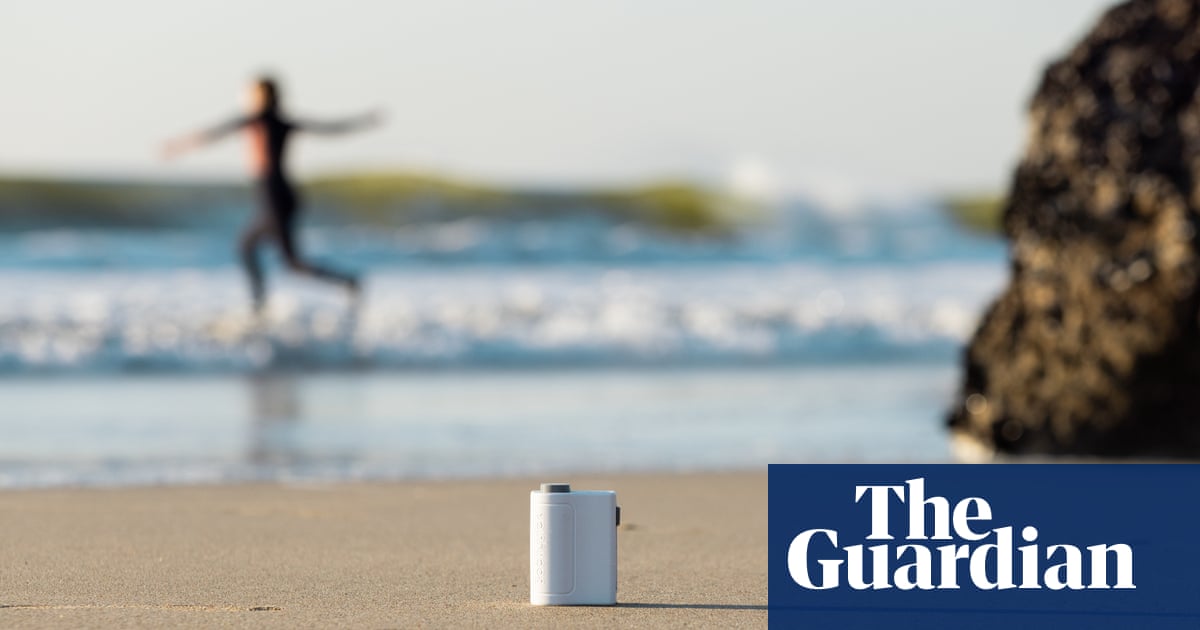
Molendotech’s handheld device, known as Bactiquick, uses a color-change reaction that is converted into electrical signals and numerical readouts via a smartphone application. The app employs a traffic light system to indicate risk levels, with green signaling low risk and amber or red warnings indicating bacteria levels above established thresholds in the UK and EU. This visual simplicity is designed to make water safety information accessible to individuals, companies, and community groups who may not have access to laboratory resources.
Comparisons between the new rapid tests and official government ratings have revealed discrepancies that highlight the limitations of current monitoring regimes. In one instance, the device rated a Sussex beach as high risk in July, while the Environment Agency had graded the same location as excellent. Conversely, some beaches with poor official ratings showed good results on the rapid test. These variations underscore the infrequency of standard testing, which often occurs only once a week, and the delay inherent in culture-based methods.
The company has seen significant growth in sales since launching its device in May 2025, with revenue increasing nearly thirty-fold over the past year. Monthly sales peaked at £94,000 in May, up from just a few thousand pounds earlier in the period. To support this expansion, Molendotech recently raised £860,000 from investors, including venture capital firms and private backers, bringing total investment to £2.4 million. These funds are earmarked for expanding operations in North America, New Zealand, and Australia.
Beyond immediate bacterial detection, the upcoming application will utilize artificial intelligence to create predictive models of water quality. By collating data from daily tests with environmental variables, the system aims to forecast potential contamination events before they occur. This proactive approach could help authorities and the public anticipate risks associated with heavy rainfall or other conditions that might lead to sewage overflows or bacterial blooms.
Climate change is also driving interest in more robust water monitoring systems. Warmer waters in Europe and the UK are leading to the emergence of new bacterial species, such as Vibrio, which can cause serious infections. Recent health advisories in Louisiana regarding flesh-eating bacteria found in coastal waters illustrate the potential dangers of changing environmental conditions. As these risks evolve, tools that provide rapid, localized data may become increasingly important for public health protection.
Molendotech works with various stakeholders, including water companies trialing the devices and local authorities seeking better monitoring solutions. The company also offers a multi-channel kit called Bacterisk, which can perform ten tests simultaneously. Both devices are rechargeable and designed for ease of use, aiming to democratize access to water quality information. As the technology expands globally, it may challenge traditional regulatory frameworks and encourage more frequent, data-driven approaches to environmental health.
The launch of the predictive mapping app in October marks a significant step in the integration of rapid testing technology with broader environmental monitoring efforts. By combining real-time data with AI-driven predictions, Molendotech seeks to address the gaps in current water safety systems. As public awareness of water pollution grows, the availability of accessible, accurate testing tools could play a crucial role in protecting swimmers and preserving the integrity of natural water bodies.
Sources behind this briefing
Go to the original reporting
- The Guardian World↗University spinout to launch water quality app for UK and US waters

