The short version
- New Mexico filed a federal lawsuit accusing the Justice Department of stonewalling its criminal investigation into Jeffrey Epstein’s activities at his former New Mexico ranch.
- The state argues that Acting Attorney General Todd Blanche has failed to provide unredacted investigative records despite a statutory deadline, while the federal government cites victim privacy protections.
- This legal challenge coincides with the release of preliminary findings from the state probe and follows months of tension over information sharing between state and federal authorities.
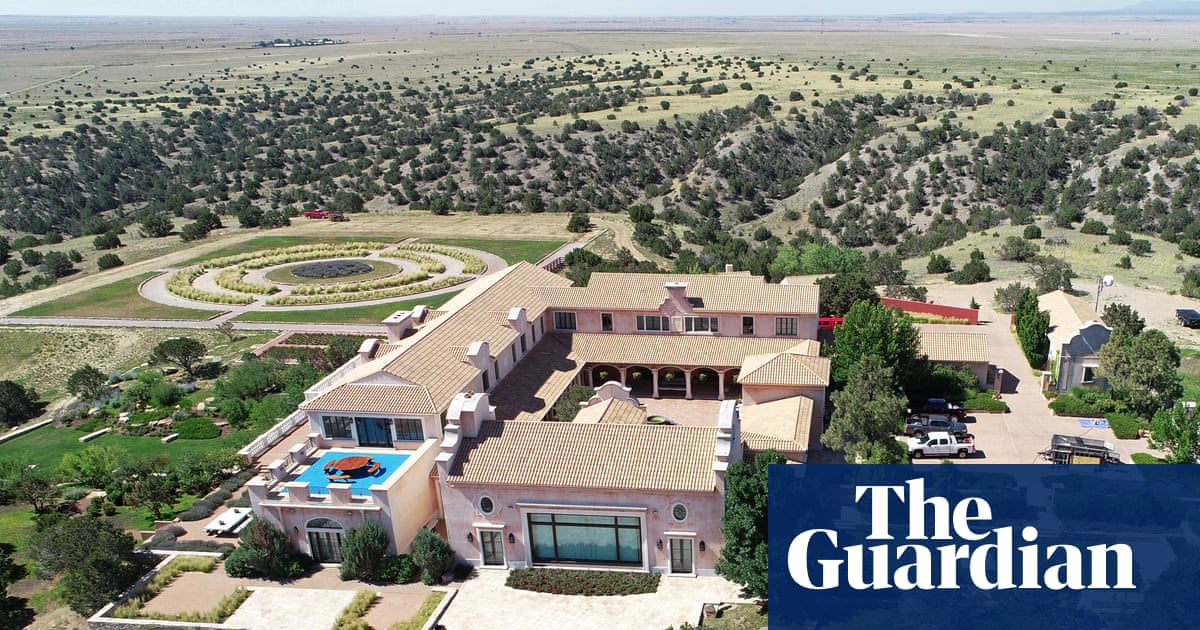
The state of New Mexico has initiated legal action against the United States Department of Justice, alleging that federal officials are obstructing a criminal investigation into historical sex crimes committed at Jeffrey Epstein’s former ranch. Attorney General Raúl Torrez filed the complaint in federal court in Washington, D.C., naming Acting Attorney General Todd Blanche as a defendant. The lawsuit asserts that the federal government has actively hindered state efforts to uncover details about abuse that allegedly occurred at the Zorro property, a remote estate located approximately 30 miles south of Santa Fe.
Torrez contends that his office has made repeated, good-faith attempts to obtain unredacted investigative records held by the Justice Department. According to the filing, these efforts have been met with sustained resistance rather than cooperation. The attorney general stated that he had warned Blanche in a July letter that legal remedies would be pursued if the federal agency did not comply with requests for information by the end of July. That deadline passed without the state receiving what it considers adequate documentation, prompting the decision to sue.
The core of the dispute centers on the scope and transparency of records related to Epstein’s operations in New Mexico. Torrez argues that full access to these files is essential for advancing a probe that was originally opened by his predecessor in 2019 but later paused at the request of federal prosecutors in New York. The state maintains that it remains one of the few jurisdictions with the potential to hold Epstein’s associates accountable or provide justice to survivors, given that Epstein died in custody in August 2019 before facing trial on sex trafficking charges.
In response to the lawsuit, the Justice Department defended its actions by citing federal court orders that restrict the disclosure of victim-identifying information. A department statement emphasized that protecting the privacy of victims remains a top priority and argued that New Mexico has not provided a lawful basis for sweeping disclosures. The federal government maintained that it remains available to assist the state’s investigation, but only within the bounds of existing legal frameworks and binding court orders.
The conflict highlights broader tensions surrounding the release of Epstein-related documents under the Epstein Files Transparency Act, which was signed into law in November. Since the Justice Department began releasing records in December, critics have raised concerns about excessive redactions and the withholding of key materials. Torrez characterized the documents previously provided by the federal government as largely consisting of old news clippings and heavily blacked-out pages that offered little utility to state investigators.
The Zorro ranch holds particular significance in this case because it has not been subject to a confirmed federal search, unlike Epstein’s properties in Florida, New York, and the Caribbean. The 10,000-acre estate was purchased by Epstein in 1993 from the estate of former New Mexico Governor Bruce King. Recent releases of Epstein files have referenced the property thousands of times, including photographs and testimony from survivors who allege they were subjected to sexual and physical abuse there by Epstein and others.
Torrez’s complaint seeks a judicial declaration that Blanche and the Justice Department acted illegally in refusing to hand over evidence. The state is asking the court to compel compliance with both the transparency law and Touhy regulations, which govern how federal agencies handle document requests during litigation. Additionally, the lawsuit requests costs and any further relief the court deems appropriate to ensure the investigation can proceed without federal interference.
The timing of the lawsuit coincides with New Mexico releasing a report detailing preliminary findings from its ongoing probe. This move underscores the state’s determination to pursue accountability despite federal pushback. The case also reflects a broader breakdown in information sharing between state and federal investigators, with Torrez noting that federal prosecutors in New York have explicitly stated they will not cooperate with the New Mexico inquiry.
As the legal battle unfolds, the outcome could set important precedents for how state authorities interact with federal agencies during high-profile investigations involving sensitive victim data. The Justice Department’s stance on privacy versus transparency will likely face scrutiny as the court evaluates whether the withholding of records constitutes obstruction or lawful protection of confidential information.
The property itself has since changed hands, sold in 2023 to the family of Don Huffines, a Republican appointed as Texas state comptroller. The new owners have renamed the estate San Rafael Ranch and plan to operate it as a Christian retreat. Despite these changes, the historical events associated with the land remain central to New Mexico’s efforts to understand and address the alleged crimes that took place there.
Sources behind this briefing
Go to the original reporting
- The Guardian US Politics↗New Mexico sues justice department for ‘stonewalling’ Epstein investigation
- PBS NewsHour↗State of New Mexico sues Justice Department and Todd Blanche, saying they blocked its Epstein probe