The short version
- The film portrays William Beveridge as a more radical thinker than traditionally acknowledged, challenging modern political assumptions about social insurance.
- A narrative journey through the 'five giants' of want, disease, squalor, idleness, and ignorance frames the historical debate around public goods.
- Public health experts argue that addressing the root causes identified by Beveridge is essential for contemporary social policy.
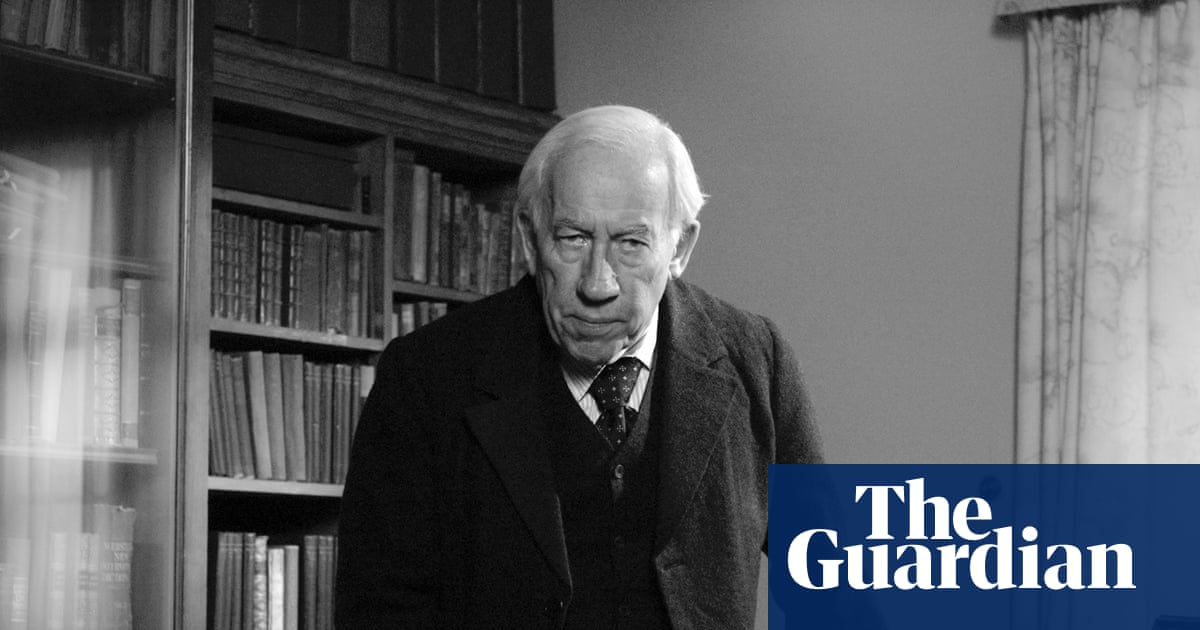
A new cinematic work titled The Man With the Plan is touring Britain, offering a fresh perspective on William Beveridge, the Liberal peer who helped establish the foundations of the postwar welfare state. Written and directed by Christine Edzard, the film challenges the conventional view of Beveridge as a moderate administrator, presenting him instead as a radical figure whose ambitions exceeded the expectations of contemporaries like Winston Churchill. The project aims to reconnect modern audiences with the core principles of social insurance at a time when political leaders are redefining their missions regarding public services.
Beveridge’s 1942 report, Social Insurance and Allied Services, triggered a massive public response upon its release. Historical records indicate that queues stretched for a mile outside government offices in central London on the day of publication, with over 650,000 copies sold. This widespread engagement suggests that the public was deeply invested in the promise of a system designed to eliminate fundamental social ills. The film seeks to recapture this sense of urgency by highlighting how Beveridge’s proposals were viewed as revolutionary rather than routine administrative adjustments.
The narrative structure follows a young student character named Flea, portrayed by Sophie Jenkin, who encounters personifications of the five giants Beveridge identified: want, disease, squalor, idleness, and ignorance. These abstract concepts are voiced by actors including Miriam Margolyes, while the devil is played by Alan Cox. Through this allegorical journey, the film illustrates the systemic barriers to social well-being that Beveridge sought to dismantle. Flea confronts various opponents of his plan, including landlords, journalists depicted as sheep, and city traders, highlighting the resistance faced by progressive social policies.
Simon Callow provides the voice for Beveridge, delivering his words verbatim from historical records. The film emphasizes Beveridge’s argument that health prevention extends beyond medical centers to include sanitation, housing, and nutrition. He posited that improving living standards was a primary method for defeating squalor and enhancing public health. This holistic approach linked physical well-being directly to environmental and economic conditions, suggesting that social insurance must address the broader context of people’s lives rather than just treating symptoms.
The production also underscores Beveridge’s insistence on maintaining employment as a critical component of social security. He argued that a satisfactory scheme required the prevention of mass unemployment, thereby tackling the giant of idleness. The film depicts fierce opposition to these ideas, with characters mocking the ambition to abolish want and questioning the economic viability of such measures. A sneering choir in the film voices common counterarguments, claiming that minimum wages lead to unemployment, inflation, and spiraling prices, while also raising concerns about national debt and defense spending.
Despite these objections, the film includes a narrator who intervenes to redefine the concept of the state. The narration asserts that the state is not an external dictator or a corporate entity like Google or Amazon, but rather the people themselves. This perspective aims to counter cynicism toward government intervention by framing public institutions as collective expressions of citizen will. The inclusion of contemporary figures such as campaigning comedian Mark Thomas and epidemiologist Sir Michael Marmot bridges the historical narrative with current debates on social policy.
Sir Michael Marmot, a professor at University College London, appears in the film to discuss the relevance of Beveridge’s ideas today. He argues that addressing the root causes of social problems is not only possible but vital. Marmot suggests that modern society must rediscover the public good and take social action to tackle the underlying issues identified by Beveridge decades ago. His presence lends academic weight to the film’s thesis, connecting historical insights with current public health research.
The Man With the Plan is being screened primarily in small venues such as libraries and community centers, reflecting its grassroots approach. Produced at Sands Films Studio in Rotherhithe, London, the project benefits from the studio’s resources, including a cinema club and period costume collection. While some may view Beveridge’s aims as utopian, the film contends that labeling them as such should not excuse political leaders from rejecting ambitious social reforms. The work serves as a reminder of the radical nature of Britain’s welfare state origins and the ongoing need for comprehensive social action.
As the tour continues, the film invites viewers to reconsider the legacy of William Beveridge in light of contemporary challenges. By highlighting his radical stance and the broad public support his report once garnered, The Man With the Plan seeks to inspire a renewed commitment to tackling want, disease, squalor, idleness, and ignorance. The project stands as a cultural intervention, urging policymakers and citizens alike to reflect on the enduring relevance of Beveridge’s vision for a more equitable society.
Sources behind this briefing
Go to the original reporting
- The Guardian World↗Beveridge revisited: Simon Callow film celebrates the radical co-founder of Britain’s welfare state

