The short version
- An exhibition based on archival research demonstrates that British media and officials were aware of mass Jewish murders as early as 1942, contradicting common beliefs that knowledge arrived only at war's end.
- The Manchester Guardian led extensive reporting on the genocide, advocating for lifted immigration restrictions and rescue measures while facing government resistance rooted in defensive wartime priorities.
- Public opinion was deeply divided, with widespread sympathy for victims coexisting with antisemitic rumors and restrictive immigration attitudes that persisted despite some policy relaxations after 1938.
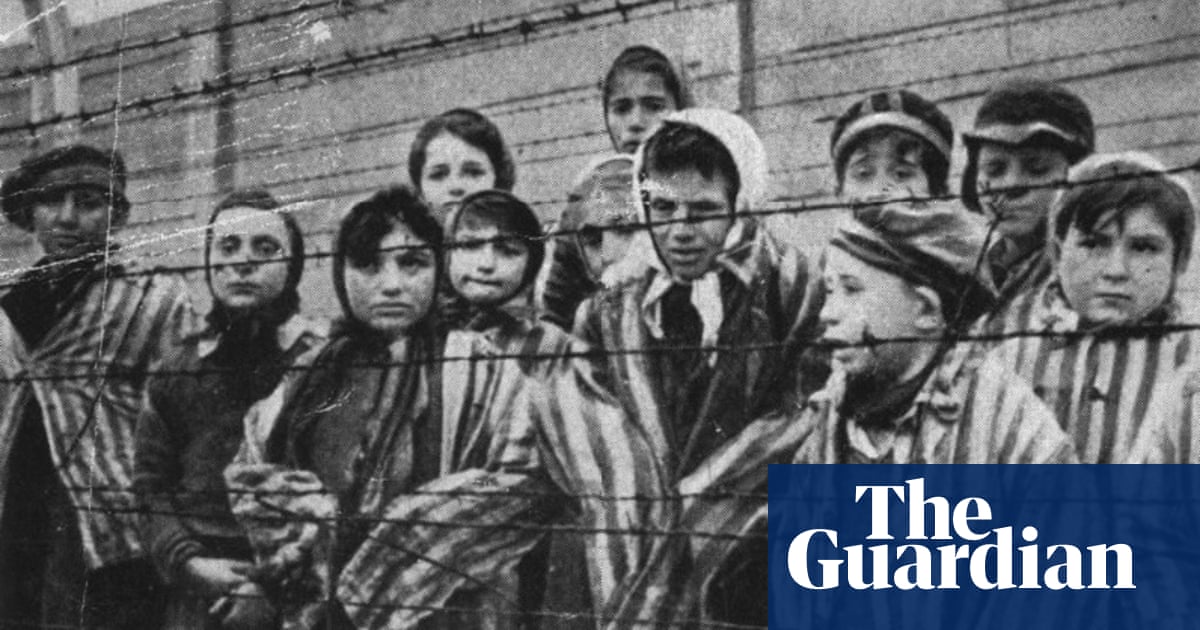
A new exhibition touring the United Kingdom is challenging long-held assumptions about when British society learned of the Holocaust. The display, which recently debuted for members of parliament at Westminster, utilizes government archives, witness testimonies, and contemporary media reports to argue that news of the genocide reached Britain much earlier than commonly understood. This historical reassessment arrives as plans advance for a permanent national memorial in London, aiming to provide a more nuanced account of the country’s wartime awareness and response.
Historical advisers note that by 1942, the peak year of mass murder, information about the atrocities was pervasive across British media outlets. The BBC broadcast details of the killings, and newspapers regularly covered the unfolding crisis. Contrary to the perception that the public remained ignorant until liberation, the evidence suggests that citizens could not easily escape these reports. This widespread dissemination of information raises difficult questions about why more immediate rescue efforts were not undertaken by the government or civil society.
The Manchester Guardian emerged as a particularly vocal critic of official inaction during this period. Banned from Germany in 1933 for its coverage of Nazi antisemitism, the newspaper maintained a crusading stance throughout the war. It lobbied aggressively for the lifting of immigration restrictions on Jewish refugees and urged pressure on neutral nations to open their borders. The publication recognized early on that the Nazi regime aimed at the complete elimination of an entire group, arguing that waiting for military victory would result in no one left to save.
Much of this critical intelligence originated from Poland, where couriers smuggled details about death camps and mass executions to the Polish government-in-exile in London. These reports provided concrete evidence of the scale and location of the murders, which were occurring in plain sight within occupied territories. The flow of information highlights the active role of resistance networks and exiled governments in breaking the news to Allied capitals, countering any notion that the Holocaust was a hidden secret until the war’s conclusion.
Despite the availability of information, the British government’s response remained constrained by its strategic priorities. Officials consistently argued that winning the war was the only effective way to stop the genocide. Critics, however, contended that this passive approach ignored the immediate need for rescue operations. The government faced a complex dilemma, balancing defensive military needs against humanitarian appeals, while internal reports revealed significant public sympathy for Jews in Europe alongside persistent antisemitic sentiment at home.
Public opinion in Britain was far from uniform in its reaction to the crisis. Ministry of Information bulletins indicated that while many citizens were disgusted by the mass murders, antisemitic discourse also circulated widely. Rumors accused Jewish residents of running black markets, avoiding military service, and spreading panic. These prejudices contributed to a restrictive immigration policy environment that had been shaped by earlier 20th-century attitudes, making it difficult for refugees to find safe haven even as the danger in Europe escalated.
Some policy adjustments did occur, particularly after the Kristallnacht pogrom in 1938, when Britain relaxed visa requirements for Jewish children. Humanitarian efforts were often driven by individuals and groups rather than state initiative. Women played a prominent role in these grassroots movements, from politicians like Eleanor Rathbone to fundraisers and those interned alongside Jews in France. Quakers and local communities also established organizations to support refugees, filling gaps left by official inaction.
The exhibition serves as a preview for the upcoming UK Holocaust Memorial and Learning Centre, which is planned for Victoria Tower Gardens in Westminster. Although the Holocaust Memorial Act received royal assent this year, providing legal clearance and funding, the project lacks a confirmed opening date due to ongoing planning reviews. The touring display will visit Northern Ireland, Scotland, Wales, and potentially Manchester, aiming to educate the public ahead of the permanent memorial’s eventual inauguration.
Recent surveys suggest that historical awareness remains limited among the British public. A 2021 study found that only a small fraction of respondents knew the government was aware of mass murders as early as 1941. This gap in knowledge underscores the importance of initiatives like the current exhibition, which seeks to correct misconceptions and foster a deeper understanding of Britain’s complex role during one of history’s darkest chapters. The memorial project aims to ensure that these lessons are preserved for future generations.
As the exhibition travels across the UK, it invites reflection on the tension between knowledge and action in times of crisis. The materials presented do not offer simple answers but instead highlight the moral complexities faced by a nation at war. By confronting the reality that information was available long before liberation, the display challenges viewers to consider how societies respond to evidence of atrocity and what responsibilities arise from such awareness.
Sources behind this briefing
Go to the original reporting
- The Guardian World↗Britain knew about the Holocaust as it happened. A new exhibition reckons with that truth