The short version
- The series documents four years of contentious school board meetings in an affluent Pennsylvania district.
- Filmmakers aimed to present multiple viewpoints without editorializing, allowing residents to express their perspectives freely.
- Conflicts centered on mask mandates, book bans, and the influence of outside political groups on local governance.
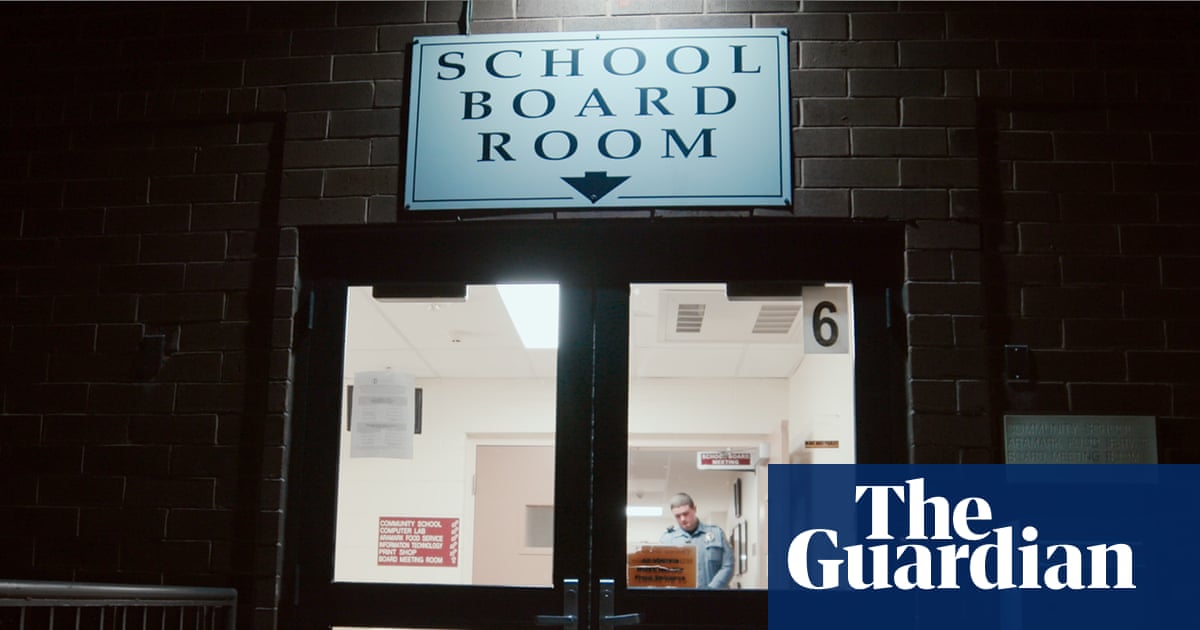
A new five-part documentary series titled Bucks County, USA offers a close look at the deepening political divisions within a single Pennsylvania community. Directed by Robert May and Academy Award winner Barry Levinson, the program focuses on Doylestown, an affluent district located north of Philadelphia. The filmmakers spent four years capturing the transformation of local school board meetings from routine administrative gatherings into heated arenas for national culture war debates.
The narrative structure often contrasts the experiences of two teenage friends, Evi and Vanessa, whose personal bond stands in sharp relief against the ideological rift separating their families. While the girls share a close friendship characterized by mutual support and shared interests, their parents represent opposing ends of the political spectrum. This dynamic serves as a lens through which the series examines how broader societal tensions infiltrate private lives and community institutions.
Evi’s mother, Lela, holds progressive views and actively advocates for LGBTQ+ students and fact-based history education at school board meetings. In contrast, Vanessa’s father, Paul Martino, is a conservative venture capitalist who has invested significant personal funds into local political campaigns. Martino’s involvement was initially motivated by dissatisfaction with school closures during the pandemic, but it evolved into a broader effort to influence district policies regarding curriculum and governance.
The documentary captures the escalation of these disputes following the onset of the pandemic. Issues that previously circulated in online forums, such as mask mandates, critical race theory, and transgender rights, converged on the local school board. The series depicts how concerns about student safety and educational content morphed into hardline political stances. Public meetings frequently devolved into shouting matches, reflecting a broader national trend of polarization within local government bodies.
Levinson and May approached the project with a stated goal of neutrality, aiming to document events without assigning blame or directing viewers toward specific conclusions. The directors emphasized their desire to understand what caused such a significant shift in a community that was previously considered idyllic. By allowing participants to speak at length without interruption, the filmmakers sought to provide a platform for diverse viewpoints, including those from conservative residents who might otherwise be hesitant to engage with media crews.
The series highlights the role of external influences in amplifying local conflicts. Martino’s financial contributions helped install a new conservative majority on the school board, which subsequently focused on restricting access to certain books deemed inappropriate by some parents. The documentary also features individuals affiliated with Moms for Liberty, a national organization known for its campaigns against specific educational materials. These elements illustrate how local disputes can become entangled with larger political movements.
Critics of this approach may argue that presenting multiple sides without explicit fact-checking creates false equivalencies or allows misinformation to go unchallenged. However, the filmmakers maintain that their objective was not to adjudicate truth but to observe the dynamics of disagreement. They acknowledge that viewers may disagree with the perspectives presented but contend that the value of the series lies in its depiction of the process rather than the resolution of these conflicts.
Bucks County, USA serves as a microcosm for communities across the United States grappling with similar issues. The series underscores how personal convictions about child-rearing and education can harden into entrenched political positions. By focusing on one town, the documentary provides insight into the mechanisms through which national cultural debates manifest in local settings, offering a sobering look at the challenges of maintaining civic discourse in an increasingly polarized environment.
The release of this docuseries coincides with ongoing discussions about the role of media in documenting political division. As audiences engage with the content, they are invited to reflect on the origins and consequences of these local battles. The series does not offer simple solutions but instead presents a complex portrait of a community struggling to navigate profound ideological differences while attempting to govern its schools effectively.
Sources behind this briefing
Go to the original reporting
- The Guardian US↗‘Our job was not to attack’: how do you make a documentary about America’s culture wars?

