The short version
- The QuestStack project provides a streamlined method for gaining full control over the original Meta Quest headset without relying on official developer accounts.
- Users can now operate the device independently of Meta's infrastructure, ensuring functionality even if support servers are permanently shut down.
- Developers are exploring ways to unlock higher refresh rates and compatibility with alternative controllers, though similar exploits for newer models remain risky.
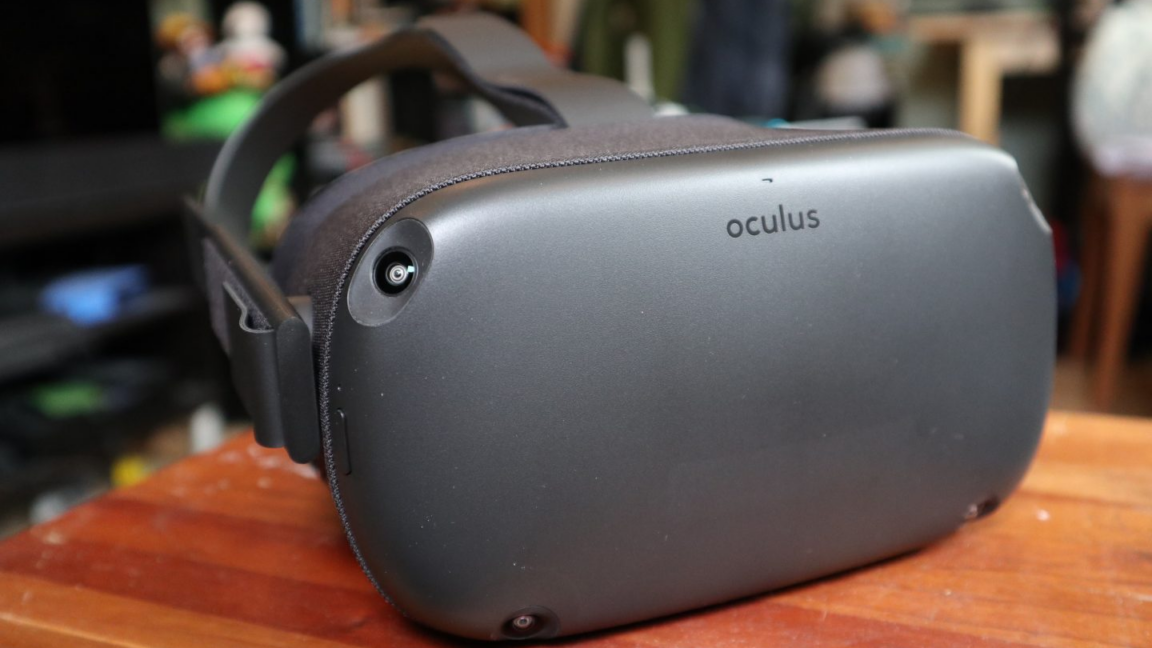
A significant development has emerged for owners of the original Meta Quest virtual reality headset, which was officially discontinued by its manufacturer in 2023. A new software project known as QuestStack has introduced a privilege escalation exploit that grants users complete root access to the device. This breakthrough effectively severs the hardware's dependency on Meta’s proprietary servers and applications, allowing enthusiasts to repurpose the aging technology without corporate oversight.
The original headset, launched in 2019 when the company was still operating under the Oculus brand, has been largely ignored by its creator in favor of newer iterations. However, a dedicated community of tinkerers has maintained interest in the device. The QuestStack initiative consolidates previously identified vulnerabilities within the Android fastboot process into a cohesive chain that simplifies the path to full administrative control. This method streamlines what was once a complex procedure, enabling users to complete the bootloading process through a web interface after connecting the headset to a personal computer.
The practical implications of this exploit are substantial for long-term device usability. Previously, setting up or maintaining the headset required interaction with Meta’s ecosystem, including registering for developer accounts and activating specific modes via mobile applications. With root access, these barriers are removed. Users can sideload applications directly without navigating corporate gatekeeping mechanisms. More critically, the device can now be initialized and operated even if Meta decides to decommission the servers that currently facilitate setup and authentication processes.
This development echoes a precedent set by Meta’s former chief technology officer, John Carmack, in 2021. At that time, an official update was released for the Oculus Go, the wireless predecessor to the Quest line, which provided full root access to users. Carmack stated that the goal was to allow hardware repurposing and ensure that devices could receive final software updates long after over-the-air support ended. The current community-driven effort for the original Quest mirrors this philosophy, aiming to preserve the utility of hardware that has been abandoned by its manufacturer.
Beyond basic independence from Meta’s services, developers are investigating how root access can enhance the hardware's performance capabilities. One notable area of interest is the refresh rate. In 2019, Carmack acknowledged that the operating system artificially limited the display to 72Hz for performance reasons, despite the hardware supporting higher frequencies. Enthusiasts are now working to activate a 90Hz refresh rate, which could provide a smoother visual experience for users willing to modify their systems.
Additional projects are underway to expand the device's compatibility with peripheral equipment. Efforts are being made to enable support for virtual reality controllers other than those officially sanctioned by Meta. This flexibility allows users to integrate third-party hardware or repurpose existing accessories, further extending the lifespan and versatility of the original Quest platform. These modifications highlight the potential for community-led innovation when official support is withdrawn.
While the success with the original Quest is notable, applying similar techniques to newer models presents significant challenges. The author of the QuestStack project has speculated on GitHub that root access might be achievable on Quest 2 headsets running older firmware versions. However, they caution that the risk of permanently damaging the device, commonly known as bricking, currently outweighs the potential benefits for those attempting to unlock newer hardware. This distinction underscores the varying levels of security and complexity across different generations of virtual reality devices.
The emergence of QuestStack represents a broader trend in consumer electronics where community efforts preserve functionality after corporate support ends. For owners of the original Meta Quest, this tool offers a path to continued use without reliance on external services. It also serves as a case study in how software vulnerabilities can be leveraged for positive outcomes, such as hardware longevity and user autonomy, rather than malicious exploitation. As virtual reality technology evolves, these community-driven solutions may become increasingly important for maintaining access to older but still functional devices.
Looking ahead, the stability and ease of use of the QuestStack exploit will likely determine its adoption rate among non-technical users. If the process remains streamlined and safe, it could extend the useful life of thousands of original Quest headsets currently sitting unused. Conversely, if Meta tightens security on remaining active devices or if hardware degradation becomes a limiting factor, the window for effective repurposing may narrow. For now, however, the project stands as a testament to the resilience of open-source communities in the face of planned obsolescence.
Sources behind this briefing
Go to the original reporting
- Ars Technica↗New bootloader lets you take the "Meta" out of the original Meta Quest

