The short version
- New AI-enabled studios like Promise are operating near historic Hollywood lots, using generative models to reduce reliance on traditional sound stages and financing.
- Industry figures argue the technology could revive mid-budget filmmaking by cutting production costs significantly, while unions warn of widespread job displacement.
- Prominent directors remain divided, with some embracing the efficiency gains and others criticizing the rapid adoption and public skepticism surrounding synthetic performers.
A new wave of film production companies is establishing operations in close proximity to historic Hollywood studios, leveraging artificial intelligence to alter the traditional economics of movie making. These emerging entities, such as Promise, are situated near the Culver City lots where classic films were once produced, yet they operate with a fundamentally different infrastructure. Instead of relying on vast physical sound stages and massive studio financing, these new studios utilize rapidly advancing AI models to generate backgrounds, special effects, and even synthetic performers. This shift suggests that the barriers to entry for filmmaking are lowering, allowing creators to bypass traditional gatekeepers.
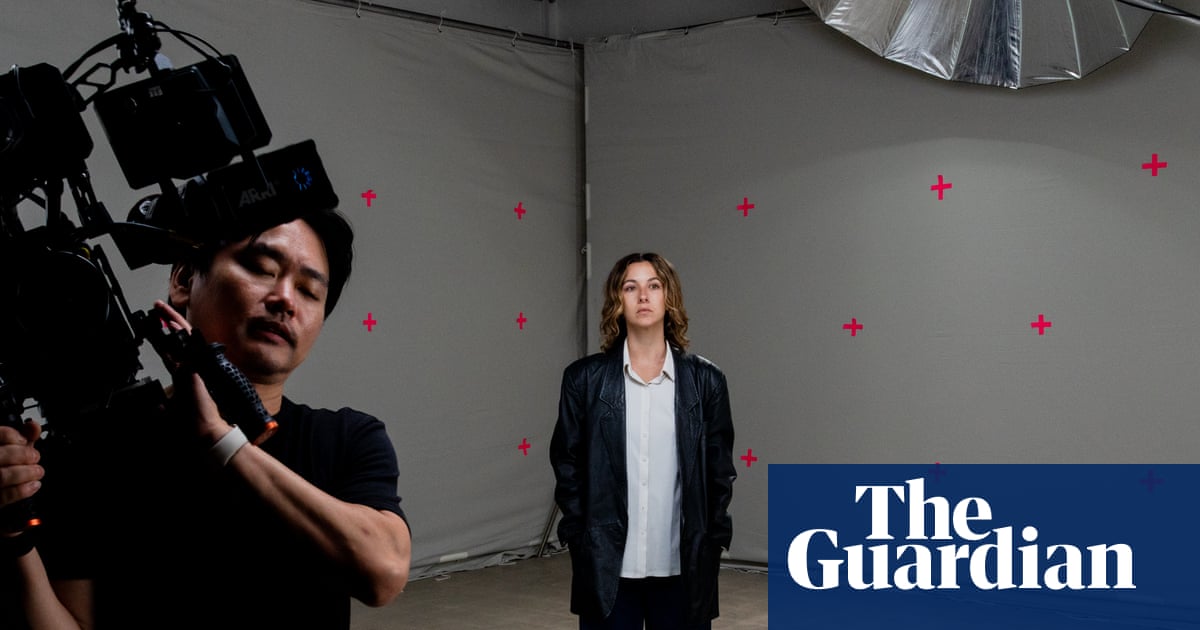
The operational model at these new studios involves a hybrid approach where human actors perform in modest settings while AI generates the surrounding environment in real time. During early shooting for a horror project titled Touch the Grass, an actor performed a chase scene in a small office space hung with white sheets. As she moved, AI models superimposed her actions onto generated landscapes, such as swaying grass fields or underground caverns. The technology allows directors and actors to see the final composite image immediately on monitors, effectively replacing the need for expensive location shoots or extensive post-production visual effects work.
Financial incentives are driving this adoption, with executives estimating that hybrid productions could be significantly cheaper than conventional methods. George Strompolos, a co-founder of Promise, suggested that combining human talent with AI technology could reduce costs by twenty to fifty percent compared to standard industry practices. This potential for cost reduction is viewed by some as a mechanism to revive the mid-budget film sector, which has struggled in recent years. Brad Pitt recently noted that if used as a tool, AI could help bring films with budgets between forty and ninety million dollars back to theaters, addressing a gap left by the dominance of blockbuster franchises.
Despite these economic arguments, the trend faces substantial opposition from labor organizations and some prominent industry figures. The Democratic congresswoman Laura Friedman, who represents Hollywood’s creative workers, has warned against waiting until tens of thousands of jobs are lost before acting. Unions such as SAG-AFTRA remain skeptical of the technology’s impact on employment stability. There is also significant public and professional backlash against the use of AI to resurrect deceased actors or create entirely synthetic performers. Emily Blunt has expressed fear regarding the loss of human connection in performance, while others have criticized the emergence of digital actors like Tilly Norwood.
The divide among directors highlights the uncertainty surrounding the technology’s artistic merit. While veteran filmmaker Ron Howard is preparing an AI-enabled animated documentary about Vietnam War prisoners of war, other acclaimed directors remain critical. Christopher Nolan has pointed out that generative technology is advancing rapidly despite being widely rejected by the public, particularly younger audiences. He has expressed concern over the extreme suspicion surrounding these tools, contrasting with the enthusiasm shown by newer studios. This polarization suggests that the industry is in a transitional phase where technical capability outpaces cultural acceptance.
Proponents of the new model argue that AI offers creative freedoms previously unavailable to independent filmmakers. Kavan Cardoza, who founded the Phantom X studio, predicts a renaissance in filmmaking that circumvents major studios, drawing parallels to the breakthroughs achieved by directors like Quentin Tarantino and Spike Lee decades ago. He anticipates that synthetic actors will soon match the quality of human performers, further reducing production constraints. Joel Hynek, an Oscar-winning special effects artist involved with Promise, compared the current shift to the transition from optical to digital film, describing it as a move toward greater ease and possibility rather than a threat to artistry.
The scale of adoption is already evident in major streaming platforms. Netflix reported using AI in three hundred of its one thousand titles released in 2026, indicating that large distributors are integrating these tools into their content pipelines. This widespread usage underscores the practical reality that AI is no longer a niche experiment but a functional component of modern production. As more studios adopt these methods, the pressure on traditional financing models may intensify, forcing established players to adapt or risk losing relevance in a changing market.
Looking ahead, the industry must navigate the tension between innovation and labor protection. While AI promises efficiency and new creative avenues, it also raises ethical questions about authenticity and employment security. The success of projects like Touch the Grass and Howard’s upcoming documentary will likely influence broader acceptance. If hybrid productions prove viable both critically and commercially, they could redefine how films are made, distributed, and consumed. However, without clear guidelines or consensus on ethical use, the rapid integration of AI may continue to generate friction between technological progress and human-centric values in storytelling.
The immediate future of Hollywood depends on whether these new studios can demonstrate that AI enhances rather than diminishes the artistic experience. Investors from Silicon Valley and major tech firms are backing this transition, signaling confidence in its long-term viability. Yet, the skepticism from audiences and unions remains a significant hurdle. As production costs drop and timelines shorten, the question becomes not just whether films can be made cheaper, but whether they can maintain the emotional resonance that defines successful cinema. The coming years will likely reveal whether AI serves as a collaborative tool or a disruptive force in the creative process.
Sources behind this briefing
Go to the original reporting
- The Guardian US↗‘It will help get mid-budget films made’: why directors are embracing AI

