The short version
- The new series abandons the traditional sitcom structure for a more nuanced, single-camera style that blends comedy with dramatic elements.
- Filming at actual Atlanta universities allows the show to incorporate real-world challenges facing historically Black colleges and universities today.
- Critics note the reboot successfully balances nostalgia with fresh storytelling, avoiding the pitfalls that have plagued other recent television revivals.
The landscape of television revivals has long been fraught with disappointment, as audiences often find updated versions of beloved classics lacking in charm or relevance. Recent attempts to resurrect popular franchises have frequently stumbled, failing to capture the magic of their predecessors or alienating fans who felt the changes were unnecessary or poorly executed. Against this backdrop of skepticism, Netflix’s decision to bring back A Different World was met with considerable doubt. Many viewers questioned whether a sitcom reboot could succeed in an era where streaming habits and cultural sensibilities have shifted dramatically since the original series aired.
Despite these reservations, the new iteration of A Different World has emerged as a notable exception to the trend of underwhelming revivals. The series, which premiered recently on the streaming platform, manages to honor the legacy of the 1980s original while introducing a contemporary perspective that resonates with modern audiences. Rather than simply retreading old ground, the reboot reimagines the setting and tone, offering a fresh take on life at Hillman College, the fictional historically Black university that served as the backdrop for the original show.
A significant departure from the past is the shift in production style. The original series relied on a multi-camera setup typical of traditional network sitcoms, which often emphasized broad comedy and immediate audience feedback through laugh tracks. In contrast, the new version employs a single-camera format, similar to shows like Grown-ish and Dear White People. This change allows for a more subdued and nuanced approach to storytelling, blending comedic moments with dramatic undertones. The result is a series that feels less like a conventional sitcom and more like a character-driven narrative that explores complex social issues.
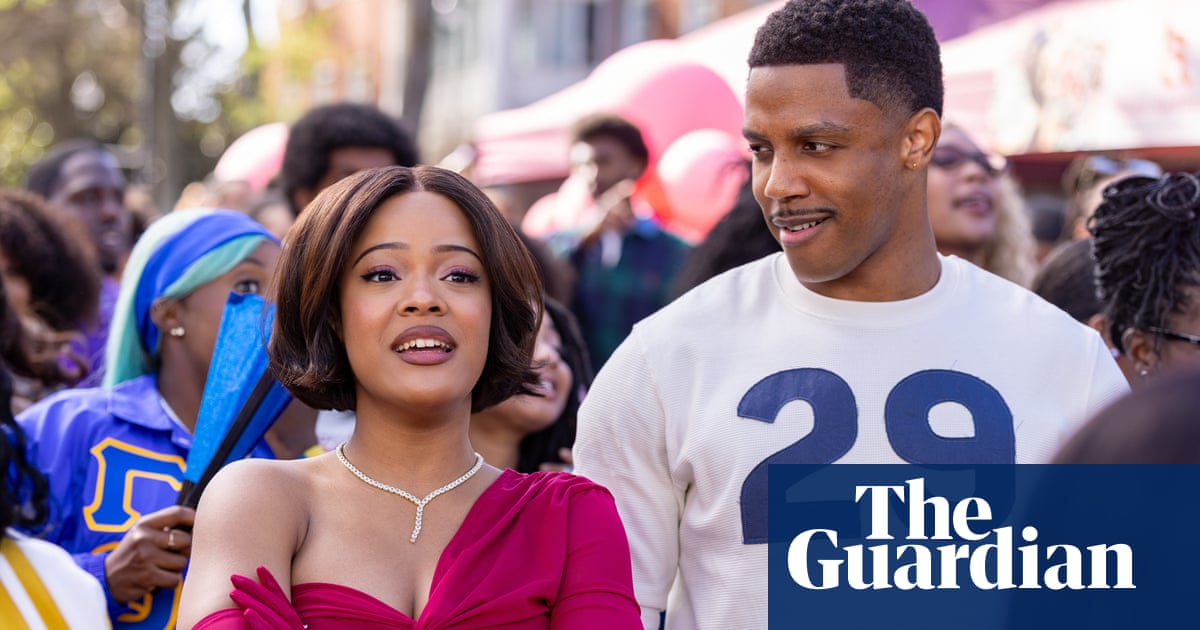
The decision to film at the Atlanta University Center, which includes Morehouse College, Spelman College, and Clark Atlanta University, adds authenticity to the portrayal of campus life. By moving away from Hollywood sound stages, the production team was able to capture the genuine atmosphere of historically Black colleges and universities. This choice also enabled the writers to address real-world challenges facing these institutions, such as chronic underfunding, enrollment difficulties, and security concerns like bomb threats. These elements are woven into the narrative without feeling forced, providing a realistic glimpse into the pressures and triumphs of student life.
One of the standout aspects of the reboot is its ability to balance humor with serious topics. For instance, a scene involving a freshman bootlegging scheme at a football game takes an unexpected turn when one of the participants reveals he is already on probation for another offense. This moment serves as a poignant reminder of the diverse backgrounds and personal struggles that students bring with them to college. Similarly, a character’s casual mention of prostate cancer awareness during a conversation highlights the show’s willingness to tackle health issues in a natural, unobtrusive manner.
The original A Different World gained prominence after Debbie Allen took over as showrunner in its second season, transforming it from a spinoff focused on Lisa Bonet’s character into an ensemble-driven series. Under Allen’s guidance, the show became a cultural touchstone, featuring memorable storylines and introducing audiences to future stars like Halle Berry and Jada Pinkett. It also addressed pressing social issues of the time, including AIDS awareness and domestic violence. The reboot pays homage to this legacy by maintaining the focus on community and resilience, while updating the themes to reflect current societal concerns.
Felicia Pride, the showrunner for the new series, has crafted a narrative that feels both familiar and innovative. She retains the core elements that made the original appealing, such as the emphasis on Black excellence and the vibrant campus culture, but infuses them with modern sensibilities. The characters are well-developed, and their interactions feel authentic rather than scripted. This attention to detail helps bridge the gap between the old and new, allowing longtime fans to appreciate the continuity while attracting new viewers who may not be familiar with the original series.
As the series unfolds, it becomes clear that A Different World is more than just a nostalgic trip down memory lane. It is a thoughtful exploration of identity, ambition, and community in the context of higher education. The show’s ability to navigate complex issues while maintaining its comedic roots suggests that it has found a unique voice in the crowded field of television revivals. Whether this success translates into long-term popularity remains to be seen, but for now, the reboot stands as a testament to the enduring appeal of stories centered on Black experiences and achievements.
Looking ahead, the series faces the challenge of sustaining its momentum without losing sight of its initial promise. The integration of real-world issues with fictional narratives requires careful handling to avoid becoming preachy or overly didactic. However, the early episodes suggest that the creative team is aware of this risk and is committed to delivering content that is both entertaining and meaningful. If they can maintain this balance, A Different World has the potential to become a significant addition to Netflix’s library and a worthy successor to its groundbreaking predecessor.
Sources behind this briefing
Go to the original reporting
- The Guardian US↗‘Richly rewarding’: why Netflix’s A Different World is the only TV reboot worth watching this year

