The short version
- Benjamin Netanyahu described the United Kingdom as the first Islamic republic to acquire nuclear weapons during a recent radio interview.
- Israeli opposition figures criticized the comments as a sign of diplomatic failure and isolation for the current government.
- Tensions between London and Jerusalem have risen under Prime Minister Andy Burnham, who has signaled stricter pressure on Israeli policies.
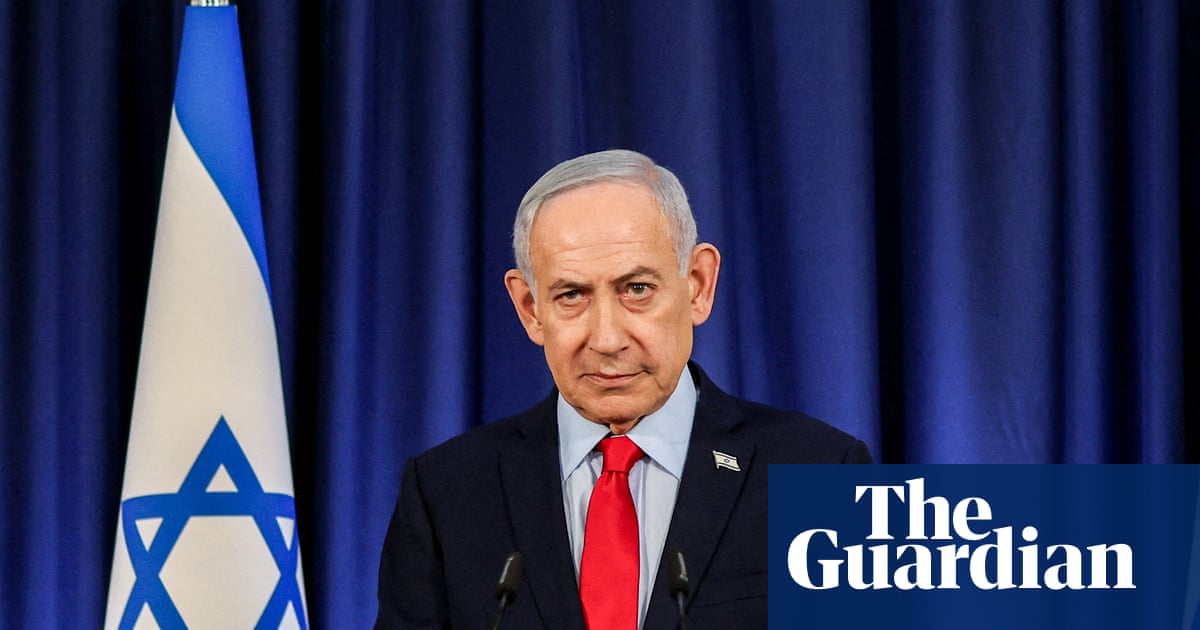
Benjamin Netanyahu, the prime minister of Israel, used a podcast interview to characterize the United Kingdom as an Islamic republic, specifically labeling it the first such state to possess nuclear weapons. The remarks were made during a conversation with Israel’s army radio, where Netanyahu contrasted historical media coverage of his country with the current political climate in Britain. He referenced favorable reporting by Randolph Churchill, son of former British prime minister Winston Churchill, from more than fifty years ago, suggesting that such support is no longer present in what he termed the Islamic republic of Britain.
The host of the interview did not challenge the characterization directly but instead asked whether Netanyahu was unfairly targeting the UK while ignoring similar trends across Europe. Netanyahu responded by reinforcing his initial statement, reiterating the claim about Britain becoming the first Islamic republic with nuclear capabilities. This phrasing echoes a narrative previously advanced by US Vice President JD Vance during the 2024 presidential campaign, who suggested the UK could become the first truly Islamist country to obtain nuclear arms. Pakistan, which officially holds the title of Islamic Republic, has maintained a nuclear arsenal since the 1990s, providing a factual counterpoint to the rhetorical framing used by both leaders.
These comments have intensified existing strains in diplomatic relations between Israel and the United Kingdom. The friction has grown notably since Andy Burnham assumed the role of prime minister at Number 10. Before taking office, Burnham acknowledged that his party’s initial response to Israel’s military operations in Gaza was inadequate, stating a need for improvement under his leadership. This admission signaled a potential shift in the UK’s approach to Middle Eastern affairs, moving away from unconditional support toward a more critical stance.
Burnham has since indicated intentions to increase pressure on the Israeli government through various measures. These include imposing further sanctions on specific individuals and entities, as well as considering a ban on trade with goods originating from illegal settlements. Such policies represent a departure from previous diplomatic norms and have contributed to a cooling of relations between the two nations. The UK’s evolving posture reflects broader concerns within the British government regarding human rights and international law in the context of the ongoing conflict.
Within Israel, Netanyahu’s remarks have faced significant backlash from political opponents. Avi Dabush, a candidate for the Knesset with the opposition Democrats party, condemned the prime minister’s comments as indicative of a severe diplomatic failure. Dabush argued that mocking a critical ally at a time when Israel faces unprecedented global isolation undermines efforts to rally international support for Israeli interests. He suggested that such rhetoric reflects an inability to manage relationships with traditional partners effectively.
Critics point out that Netanyahu’s current administration, described as the most far-right in Israel’s history, has alienated long-standing allies while aligning more closely with figures on the global far-right. Some of these associates have histories of antisemitism or other controversial stances, raising questions about the strategic direction of Israeli foreign policy. The shift toward these alliances appears to be part of a broader realignment that prioritizes ideological affinity over traditional diplomatic partnerships.
The comments also touch on sensitive domestic issues in the UK, where Muslim leaders report rising levels of hate crimes against their community. This increase coincides with a surge in far-right rhetoric and growing support for anti-immigrant political parties. London Mayor Sadiq Khan has frequently been targeted by racialized attacks from right-wing leaders abroad, including Donald Trump, who have sought political advantage by promoting Islamophobic narratives. Netanyahu’s remarks risk exacerbating these tensions by validating similar tropes about Britain’s Muslim population.
As of now, neither the Israeli Prime Minister’s Office nor the British Foreign, Commonwealth and Development Office has provided official comment on whether Netanyahu’s statements reflect government policy or personal opinion. The lack of immediate response leaves uncertainty regarding the formal diplomatic impact of the interview. However, the incident underscores the delicate balance Israel must maintain between domestic political pressures and international relations, particularly as it navigates increasing isolation on the global stage.
The situation highlights broader challenges in maintaining alliances amid shifting geopolitical landscapes. For Israel, the need to secure support for its security interests conflicts with the diplomatic costs of alienating key partners like the UK. Meanwhile, the UK’s new leadership is testing the limits of its influence through policy changes that prioritize accountability over unconditional backing. The coming months will likely reveal whether these tensions can be managed or if they lead to a more permanent rift between the two nations.
Sources behind this briefing
Go to the original reporting
- The Guardian US↗Benjamin Netanyahu describes UK as ‘first Islamic republic to get a nuclear weapon’

