The short version
- Allegations emerge that Netanyahu sought to initiate conflict with Iran to influence upcoming election results.
- Military leadership reportedly resisted these directives, citing risks of miscalculation and regional escalation.
- Polls indicate a tight race where opposition alliances may prevent any single bloc from securing a majority.
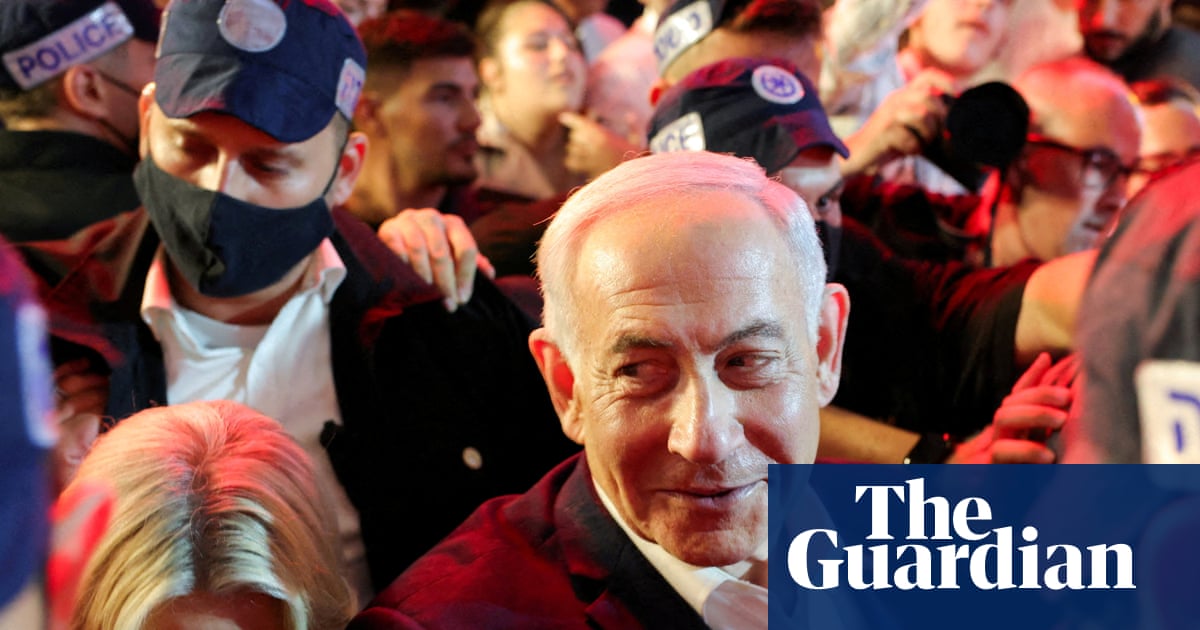
Israeli Prime Minister Benjamin Netanyahu is facing intensifying scrutiny as reports surface alleging he pressured military leadership to launch attacks against Iran in the final days before Tuesday’s national elections. These claims coincide with a sharp escalation in alarmist rhetoric from the prime minister, who has framed the electoral choice as an existential threat to the state. The allegations suggest a strategic attempt to leverage security concerns for political gain, potentially altering the trajectory of Israel’s domestic politics and its foreign policy posture toward Tehran.
According to Channel 12 news reports, tensions flared between Netanyahu and Lt. Gen. Eyal Zamir, the chief of staff of the Israel Defense Forces. The outlet stated that the prime minister issued a directive that could provoke an immediate and severe conflict with Iran during a highly sensitive period. Zamir reportedly requested that this directive be provided in writing, signaling resistance to executing orders that might spark unintended regional conflagration through Iranian miscalculation. This internal friction highlights a significant rift between political leadership and military command regarding the timing and necessity of offensive actions.
Netanyahu has denied these reports, and the defense ministry subsequently stated there were no intentions to carry out military operations against Iran at this time. However, the Israel Defense Forces issued a statement that stopped short of explicitly refuting the press accounts. Instead, the military emphasized that its decisions are based solely on security, professional, objective, and national considerations. This ambiguous response leaves room for interpretation regarding whether specific operational plans were discussed or considered, even if not ultimately approved for execution.
The prime minister’s campaign strategy has increasingly relied on fear-based messaging. He recently shared an AI-generated image depicting a nuclear mushroom cloud destroying Tel Aviv, urging voters to support him to avoid nuclear annihilation. In social media posts, Netanyahu warned that choosing the opposition would risk the physical existence of families and loved ones due to Iran’s nuclear program. This approach marks a stark departure from his earlier triumphalism following previous military engagements with Iran, where he claimed historic victories that had destroyed Tehran’s ability to enrich uranium and produce ballistic missiles.
International dimensions of this conflict have also come into focus. Reports indicate that Netanyahu attempted to persuade U.S. President Donald Trump to renew assaults on Iran in recent weeks. However, Trump reportedly ruled out such actions until after the upcoming U.S. congressional elections. This dynamic underscores the complex interplay between Israeli domestic politics and American foreign policy decisions. The endorsement from Trump, repeated recently on social media, appears to have been secured through persistent lobbying by Netanyahu’s office, though its impact on Israeli voters remains uncertain.
Gadi Eisenkot, leader of the main opposition bloc and a retired general, has expressed strong confidence in the military leadership. He stated that his coalition would not allow the IDF to become a pawn in Netanyahu’s campaign for political survival. Eisenkot’s position reflects broader concerns within the opposition about the politicization of national security institutions. The opposition bloc, which is primarily center-right, shares many of Netanyahu’s hardline stances on Palestinian statehood and the war in Gaza but unites largely through shared antipathy toward the prime minister’s authoritarian tendencies.
Polling data suggests a closely contested election with no clear path to a majority government. While the opposition bloc led by Eisenkot is poised to win more seats than Netanyahu’s coalition, neither side appears capable of securing the 61 seats required for a majority in the Knesset. The opposition might theoretically form a government by partnering with parties representing Palestinian citizens of Israel, who constitute roughly one-fifth of the population. However, conservative factions within Eisenkot’s bloc have ruled out such alliances, raising the possibility of a minority government or another round of elections.
The stakes extend beyond immediate political power. Netanyahu has dominated Israeli politics for three decades, increasingly moving toward authoritarian measures that limit judicial independence and seek to turn police and internal security services into political tools. He is also currently facing corruption charges, which could intensify if he loses his grip on power. As the election approaches, the prime minister continues to frame the narrative around national survival, describing the opposition as enemies of the state aligned with forces that threaten Israel’s existence. This polarizing rhetoric sets the stage for a potentially volatile post-election period regardless of the final vote count.
Sources behind this briefing
Go to the original reporting
- The Guardian World↗Netanyahu reportedly pressured military to attack Iran in run-up to election