The short version
- Western nations including the UK, France, and Canada are moving to sanction Israeli settlements in the West Bank amid accusations of ethnic cleansing.
- American public opinion has shifted significantly against Netanyahu’s government, with polls showing majority negative sentiment among both general respondents and American Jews.
- Netanyahu is expected to use his UN address to highlight military achievements and rally domestic support ahead of October elections, despite lacking meetings with top US officials.
Benjamin Netanyahu is set to deliver a speech at the United Nations General Assembly that emphasizes defiance, even as his government confronts intensifying diplomatic isolation and internal political vulnerability. The Israeli prime minister faces what analysts describe as his most difficult re-election contest in decades, complicated by ongoing military engagements in Gaza, Lebanon, and Iran, alongside escalating settler violence in the West Bank. His address on Thursday will occur against a backdrop of growing international condemnation and domestic unrest, marking a pivotal moment for his leadership prospects.
International pressure on Israel has reached new heights, with major Western allies taking concrete steps to penalize settlement expansion. The United Kingdom, France, and Canada are preparing to impose sanctions on Israeli settlements in the West Bank. British Foreign Secretary Ed Miliband has explicitly accused Israeli settlers of engaging in ethnic cleansing against Palestinian communities. This coordinated diplomatic action signals a significant departure from previous restraint by these nations, reflecting broader concerns about human rights violations and the sustainability of current policies.
Public sentiment in the United States has also undergone a historic shift, presenting a complex landscape for American policymakers. Recent polling data indicates that 62% of respondents hold a negative view of Netanyahu’s government, while 60% of American Jews expressed hope that he would be voted out in the upcoming October elections. This erosion of support challenges traditional bipartisan backing for Israel and complicates the messaging strategy for US officials ahead of midterm elections. The White House is closely monitoring these developments as it seeks to balance diplomatic relations with domestic political realities.
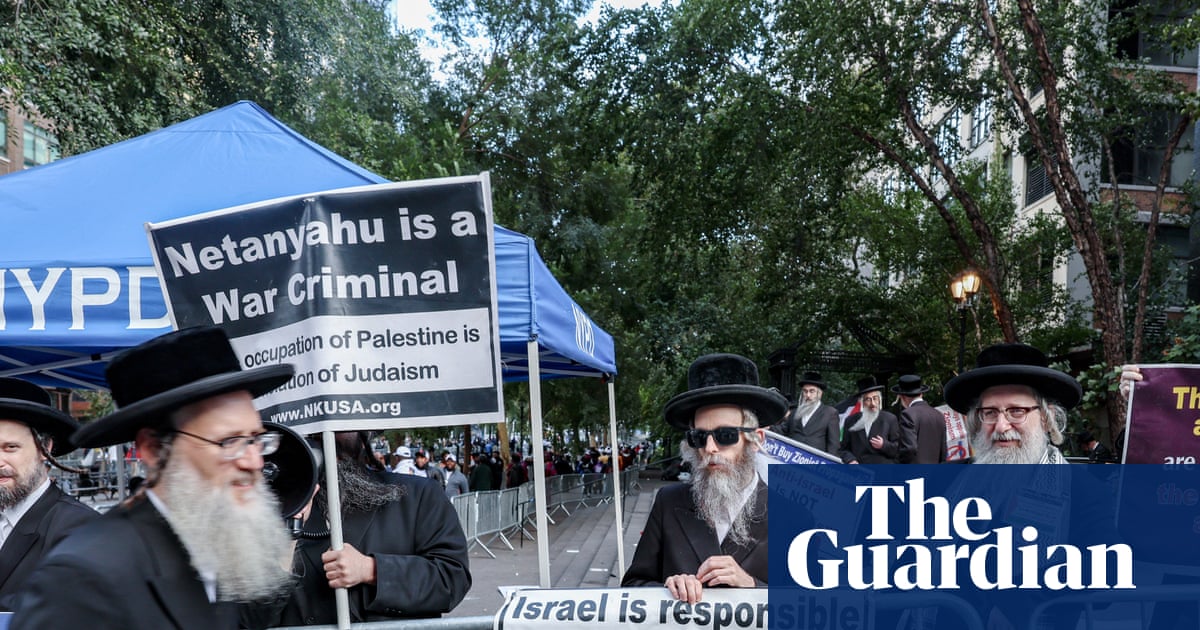
Protests are anticipated both inside the UN assembly hall and on the streets of New York City, where demonstrators plan to march from Bryant Park to the UN headquarters. Mayor Zohran Mamdani has adjusted his stance on potential arrests, opting instead to guarantee protesters their right to demonstrate peacefully. Palestinian representatives have called for a walkout during Netanyahu’s speech, urging diplomatic missions to join in sending a message of non-complicity with what they describe as genocide and war crimes. These actions underscore the deep divisions surrounding Israel’s conduct in the region.
Israeli officials maintain that much of the criticism stems from misinformation rather than policy failures. Danny Danon, Israel’s ambassador to the UN, argued that the government has achieved significant goals since October 7 but has been unfairly targeted by a coordinated campaign against its image. He suggested that Netanyahu would use his speech to outline these achievements and propose verification mechanisms for future war objectives. However, Danon did not provide specific details on these measures prior to the address, leaving observers uncertain about the substantive content of Israel’s diplomatic strategy.
Netanyahu’s visit to New York is expected to be brief, lasting less than 24 hours, with no scheduled meetings with President Donald Trump or top congressional leaders. Trump will remain in Washington to host Chinese leader Xi Jinping, and Netanyahu has cited domestic electoral campaigns and the Jewish holiday of Sukkot as reasons for his quick departure. A Trump administration official confirmed that while Israel’s delegation sought high-level engagements, none were organized. This lack of direct contact with US leadership further highlights the strained nature of current diplomatic relations.
The political implications extend beyond immediate diplomatic tensions to future electoral dynamics in the United States. Criticism from prominent Republicans, including Vice President JD Vance, and leading Democratic presidential contenders suggests that Israel may face reduced support in upcoming campaigns. Some candidates have indicated they no longer endorse arms sales or broad diplomatic backing for Israel, signaling a potential realignment of foreign policy priorities. Even within the MAGA base, fractures are emerging regarding the level of support for Israeli policies.
Analysts suggest that Netanyahu’s speech is aimed not only at international audiences but also at his domestic electorate. By projecting strength and control, he seeks to reassure right-wing voters and potentially influence American political factions sympathetic to hardline stances. Beth Miller of Jewish Voice for Peace Action noted that this strategy appears designed to rally support among conservative segments while acknowledging the mainstream shift in public opinion against supporting Israel’s current military actions. The outcome of these efforts will likely shape both Israeli politics and US foreign policy discourse in the coming months.
As Netanyahu prepares to take the stage, the convergence of international sanctions, domestic protests, and shifting political alliances creates a highly charged environment. The speech will serve as a test case for how effectively Israel can navigate its diplomatic challenges while maintaining internal cohesion. With elections looming and global scrutiny intensifying, the decisions made in New York could have lasting repercussions for regional stability and transatlantic relations.
Sources behind this briefing
Go to the original reporting
- The Guardian World↗Benjamin Netanyahu to deliver defiant UN speech while facing protests and political isolation

