The short version
- Benjamin Netanyahu accused Arab Israeli parties of using foreign funds to steal the election, a claim widely rejected by domestic authorities.
- His coalition lost its parliamentary majority, leaving Arab-led blocs with significant leverage in forming the next government.
- Opposition figures and state officials condemned the allegations as incitement that threatens democratic norms and community relations.
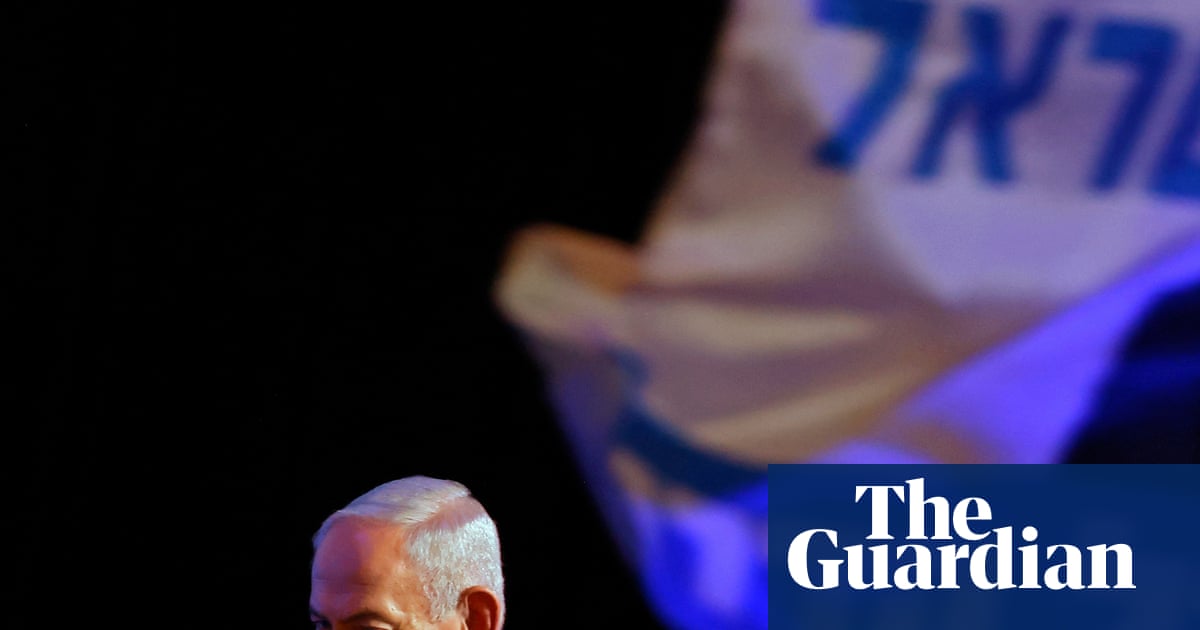
Prime Minister Benjamin Netanyahu has ignited a political crisis by alleging that Arab Israeli parties utilized foreign backing to manipulate the recent parliamentary elections, in which his coalition lost its majority. The accusations emerged shortly after vote counting concluded, revealing that Netanyahu’s Likud-led alliance secured only 53 seats in the 120-seat Knesset. This result marks the end of a four-year tenure for the far-right coalition and places two Arab Israeli parties, the Joint List and Ra’am, in a pivotal position to influence the formation of the next government.
Netanyahu and his allies have called upon Shin Bet, Israel’s internal security service, to investigate alleged irregularities in Palestinian communities within Israel. They claim these actions were funded by external actors seeking to undermine the state. However, these assertions have been swiftly disavowed by a broad spectrum of government officials, including police representatives and members of the central elections committee. Law enforcement sources indicated that the voting process was largely trouble-free and found no evidence to support the prime minister’s claims of widespread fraud or vote-buying.
The president of Israel, Isaac Herzog, publicly rebuked Netanyahu for what he described as an effort to tarnish an entire community that had exercised its democratic right to vote. Herzog urged political leaders to refrain from rhetoric that could deepen societal divisions. Meanwhile, Gadi Eisenkot, leader of the main opposition bloc, accused the prime minister and his party of launching a coordinated campaign designed to delegitimize the election results. Eisenkot emphasized that any investigation must be conducted with utmost caution and without bias, but insisted it cannot serve as a pretext to delay the convening of the newly elected Knesset.
A statement posted by Netanyahu on social media characterized the alleged violations as an attack on democracy aimed at facilitating a foreign takeover of the legislature and the Islamization of Israel. The Likud party warned against cooperation with Arab parties, suggesting such alliances would lead to dangerous governance. Critics argue that these comments are intended to prevent Jewish opposition parties from working with Arab blocs to oust Amir Ohana, the current Knesset speaker and a former Shin Bet official affiliated with Likud. The strategic goal appears to be blocking legislative initiatives proposed by the opposition.
Yousef Jabareen, leader of the Joint List, condemned Netanyahu’s remarks as incitement, noting that the prime minister has refused to accept the reality of Arab voter participation and decision-making. Jabareen highlighted that the Arab public had decisively voted, resulting in a historic high for Arab Israeli representation with 19 seats combined between the Joint List and Ra’am. This outcome reflects a record turnout among Arab Israelis, driven by concerns over routine discrimination and fears that extremist figures within the current government would exacerbate these issues if re-elected.
Reports suggest that Qatar was named as the foreign power allegedly funding vote-buying efforts, though this was not explicitly stated in official Likud communications. Majed al-Ansari, an adviser to Qatar’s prime minister, categorically denied any involvement in Israeli electoral processes. The lack of specific evidence and the denial from the implicated nation further weaken Netanyahu’s position. Political analysts note that the allegations appear to be a tactical maneuver to discredit the opposition rather than a response to verified irregularities.
In Nazareth, the largest majority-Palestinian city in Israel, voting proceeded briskly with few signs of disruption. Election workers reported that some ballot packets were distributed in Hebrew only, lacking Arabic translations, which raised concerns about accessibility. Additionally, monitors from far-right parties attempted procedural tactics to slow down voting, but these efforts were largely unsuccessful. The integrity of the electoral process in this key demographic area appears to have held firm despite attempts at interference.
Looking ahead, the newly elected Knesset is scheduled to be sworn in within 14 days. While formal coalition talks between Arab parties and Zionist blocs remain uncertain, discussions about tactical voting to unseat the current speaker and advance shared legislation are underway. The coming weeks will likely see intense negotiations as various factions seek to capitalize on their positions. Netanyahu’s continued resistance to accepting the results may further polarize the political landscape, testing the resilience of Israel’s democratic institutions.
The fallout from these allegations underscores deep-seated tensions within Israeli society regarding representation and power dynamics. As the country moves toward forming a new government, the role of Arab parties in shaping policy will be critical. The incident also highlights the challenges faced by leaders who struggle to accept electoral defeats, particularly when those outcomes reflect significant shifts in voter behavior and priorities. The international community watches closely as Israel navigates this delicate transition.
Ultimately, the credibility of the electoral process rests on the ability of all stakeholders to respect the outcome. While investigations into minor irregularities may proceed, the consensus among officials is that no systemic fraud occurred. The focus now shifts to how the new Knesset will address pressing national issues and whether cross-community cooperation can emerge from this fractured political environment. The coming months will reveal whether Israel’s democracy can withstand such internal pressures.
Sources behind this briefing
Go to the original reporting
- The Guardian World↗Israeli leader Netanyahu accused of using ‘ugly’ smear tactics to cling to power