The short version
- The death toll from recent floods in Nepal and Tibet has reached 797, with thousands still missing and morgues overflowing across the region.
- Authorities are resorting to mass burials and digital identification methods due to the severe disfigurement of bodies and lack of storage space.
- Survivors in devastated areas like Devighat face renewed danger as river levels rise again, forcing many to abandon their ancestral homes permanently.
The aftermath of catastrophic flooding in Nepal and Tibet has evolved into a complex humanitarian crisis, with the confirmed death toll rising to 797 by Sunday. The situation remains fluid and dire, as hundreds of bodies continue to surface from the thick, tar-like mud that engulfed Himalayan valleys. With more than 3,000 people still reported missing, officials warn that the final count could increase exponentially. The sheer volume of casualties has overwhelmed local infrastructure, leading to a severe shortage of space in morgues across Nepal.
In response to the storage crisis, authorities have initiated mass burials in the Bharatpur district. Before interment, DNA samples are collected from each victim, who is then tagged with a location number and placed in shallow graves. Police indicate that these temporary measures are intended to preserve evidence for future identification by relatives through genetic testing. This approach allows for eventual retrieval of remains for proper funeral rites, though the process is expected to be lengthy and emotionally taxing for families.
The task of identifying victims has proven exceptionally difficult due to the severe disfigurement caused by the floodwaters and debris. In Chitwan, located approximately 100 miles downstream from the hardest-hit zones, more than 250 bodies have washed ashore. Despite this high number, only nine individuals have been successfully identified so far. Many of these remains are now being buried temporarily in forests on the city’s edge, highlighting the limitations of traditional identification methods in the face of such widespread destruction.
To accelerate the identification process, local officials have implemented unconventional strategies. Relatives are asked to review photographs of recovered bodies displayed on PowerPoint slideshows or posted on police websites and morgue walls. Families look for distinguishing features such as jewelry, tattoos, scars, or clothing items. This macabre visual search is a desperate attempt to match the dead with their loved ones when physical recognition is impossible. The scale of the effort underscores the magnitude of the loss and the strain on emergency services.
Access to the most devastated areas remains a significant challenge. Entire villages have been wiped away by apocalyptic tidal waves of mud, water, and debris, leaving many regions inaccessible except by army helicopter. Search and rescue teams continue to struggle in areas that are reachable by road, where thick layers of mud obscure victims. In Devighat, a sacred town on the Trishuli River, police have retrieved ten bodies from the ruins of homes, with fears that more may be buried beneath the silt. Clearing this debris could take many months.
The human cost of the disaster is evident in the stories of survivors returning to find their lives upended. Usha Nepali, 49, stood beside the remnants of her home in Devighat, which was reduced to concrete blocks and twisted metal. She expressed despair over the loss of her family’s residence and the uncertainty of where to go next. With no safe land available for rebuilding and the river continuing to pose a threat, she questioned how they could ever reconstruct their lives on ground that is no longer secure.
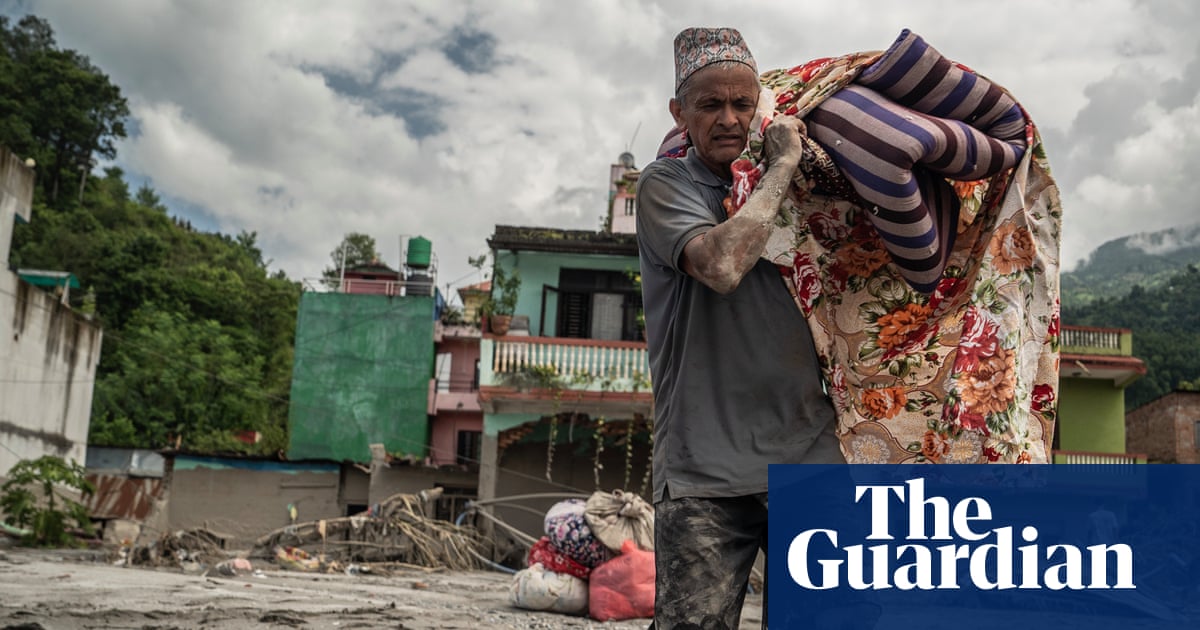
The precariousness of life along the Trishuli River was further emphasized as water levels swelled dangerously high again on Sunday. Rescuers urged residents to move to higher ground immediately, prompting many in Devighat to pack up remaining belongings with no intention of returning. Jamuna Magar, 36, described her shock at the scale of the destruction, noting that previous floods had never been this severe. She managed to save only a plastic vat of cooking oil and some gold, losing everything else, including household appliances and furniture.
The government has requested more than 1,000 freezer units to address the critical shortage of storage for the deceased. This request highlights the logistical nightmare faced by authorities trying to manage the aftermath of such a large-scale disaster. As search efforts continue and river conditions remain volatile, the focus shifts from immediate rescue to long-term recovery and identification. The coming weeks will likely see further developments in both the death toll and the challenges of rebuilding communities that have been fundamentally altered by the floodwaters.
Sources behind this briefing
Go to the original reporting
- The Guardian World↗‘The river has taken everything’: people return to remains of their homes in Nepal

