The short version
- Eight personnel assigned to the USS Abraham Lincoln strike group attempted suicide during their deployment, according to official correspondence from the acting Navy secretary.
- The disclosure follows months of reports regarding deteriorating living conditions, including mold, food shortages, and plumbing failures, which administration officials previously dismissed as misinformation.
- Senator Kirsten Gillibrand criticized the White House for its initial response, arguing that the confirmed incidents validate concerns about troop welfare that were previously ignored.
The US Navy has officially confirmed that eight service members assigned to the USS Abraham Lincoln carrier strike group attempted suicide during their recent deployment. Acting Navy Secretary Hung Cao revealed this statistic in a letter addressed to Senator Kirsten Gillibrand, responding to her inquiries regarding the quality of life and mental health conditions aboard the fleet. The disclosure marks a significant shift from earlier administration rhetoric that characterized media reports of deteriorating onboard conditions as exaggerated or false.
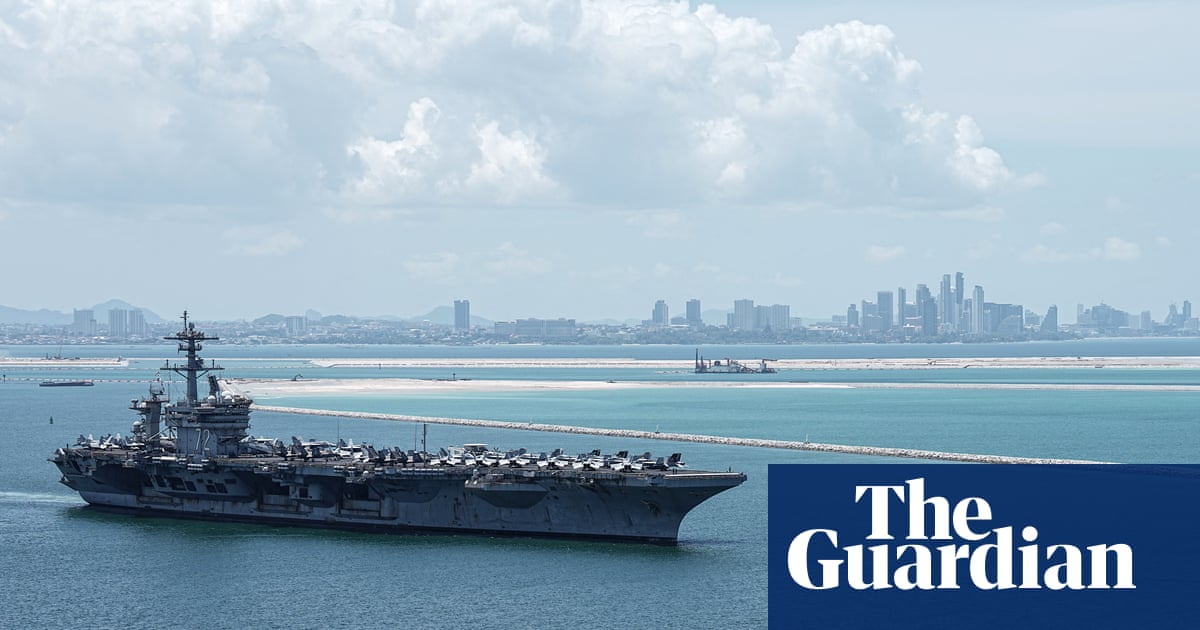
The eight individuals included crew members from the carrier itself, as well as personnel from the carrier airwing, strike group staff, destroyer squadron staff, escorting destroyers, and embarked aviation squadrons. Cao’s letter specified that these attempts occurred since the beginning of the Lincoln’s deployment, which was originally scheduled to conclude in May but was extended due to ongoing military operations in the Middle East. The carrier, which had been at sea for 286 days, recently disembarked its crew in Thailand before continuing its journey back to the United States.
Details regarding specific incidents were provided in the correspondence. In March, shipmates prevented one sailor from jumping overboard. Later, in August, another sailor did go overboard but was rescued and received medical treatment before being transferred off-ship for further care. Cao noted that five chaplains and multiple mental health professionals were available on board to address the spiritual and emotional needs of the crew throughout the mission.
The confirmation of these suicide attempts comes amid growing scrutiny of the physical conditions aboard the vessel. Earlier reports from military newspapers and other outlets had highlighted issues such as mold in showers, dwindling supplies of basic necessities like soap and food, and broken plumbing. Cao acknowledged certain operational challenges, including temporary localized piping failures and problems with reverse osmosis desalination units. He also confirmed that entrée options were temporarily reduced from two to one to optimize endurance during the extended mission, though he maintained that four nutritionally balanced meals were served daily.
Despite acknowledging these logistical hurdles, the Navy denied that a widespread mental health crisis was occurring on the ship, which carried approximately 5,000 crew members. Defense Secretary Pete Hegseth had previously dismissed media coverage of the conditions as completely misrepresented, asserting that every ship and captain received necessary support. This stance drew sharp criticism from Democratic lawmakers who argued that the administration failed to take adequate care of service members facing extreme stress.
Senator Gillibrand, a member of the Senate Armed Services Committee, condemned the initial dismissal of reports regarding troop welfare. She stated that what was labeled as fake news by President Trump and Secretary Hegseth turned out to be serious and deteriorating conditions for service members. Gillibrand emphasized the immense sacrifices made by troops and their families, arguing that it is unacceptable for the administration to prioritize other expenditures while neglecting the well-being of those deployed in combat zones.
The USS Abraham Lincoln’s deployment began in November when it left California for the South China Sea before being redirected to the Middle East ahead of attacks on Iran. The mission was repeatedly extended, lasting nearly nine months before the USS George Washington was sent to replace it. The prolonged duration and demanding schedules have been cited in broader studies as significant stressors for naval personnel, contributing to high rates of psychological distress among sailors compared to other military branches.
As the crew returns home, the incident has reignited debates about the adequacy of mental health resources and living conditions on US Navy vessels. While a Navy official reiterated the department’s commitment to sailor health and morale, the confirmed suicide attempts underscore the severe toll of extended deployments. The case highlights the tension between operational demands and the physical and psychological limits of service members, raising questions about how the military manages welfare during prolonged conflicts.
Sources behind this briefing
Go to the original reporting
- The Guardian US Politics↗Eight USS Lincoln personnel have attempted suicide, US navy confirms
- BBC News↗Eight US sailors assigned to USS Abraham Lincoln attempted suicide, Navy says
- The Guardian World↗Senator confirms ‘eight suicide attempts’ by US navy personnel assigned to USS Abraham Lincoln carrier group – live