The short version
- Internal discussions suggest the Navy may rename a carrier originally designated for Doris Miller.
- The potential change would break historical precedent regarding naming ships after sitting presidents.
- Critics argue the move undermines the legacy of a celebrated Black war hero.
Reports emerging from Washington indicate that the United States Navy is actively exploring options to rename an aircraft carrier currently under construction. The vessel was previously designated to honor Doris Miller, a sailor recognized for his actions during the attack on Pearl Harbor. According to three sources familiar with internal deliberations, conversations are underway regarding a potential name change that would instead commemorate Donald Trump.
The shift in naming strategy has drawn immediate scrutiny from political opponents and military veterans alike. No aircraft carrier in the history of the US Navy has ever been named for a sitting president. This historical distinction underscores the significance of the reported discussions, as such a move would establish a new precedent within naval tradition. The administration has not issued an official statement confirming the final decision, but the internal dialogue suggests a serious consideration of this departure from established norms.
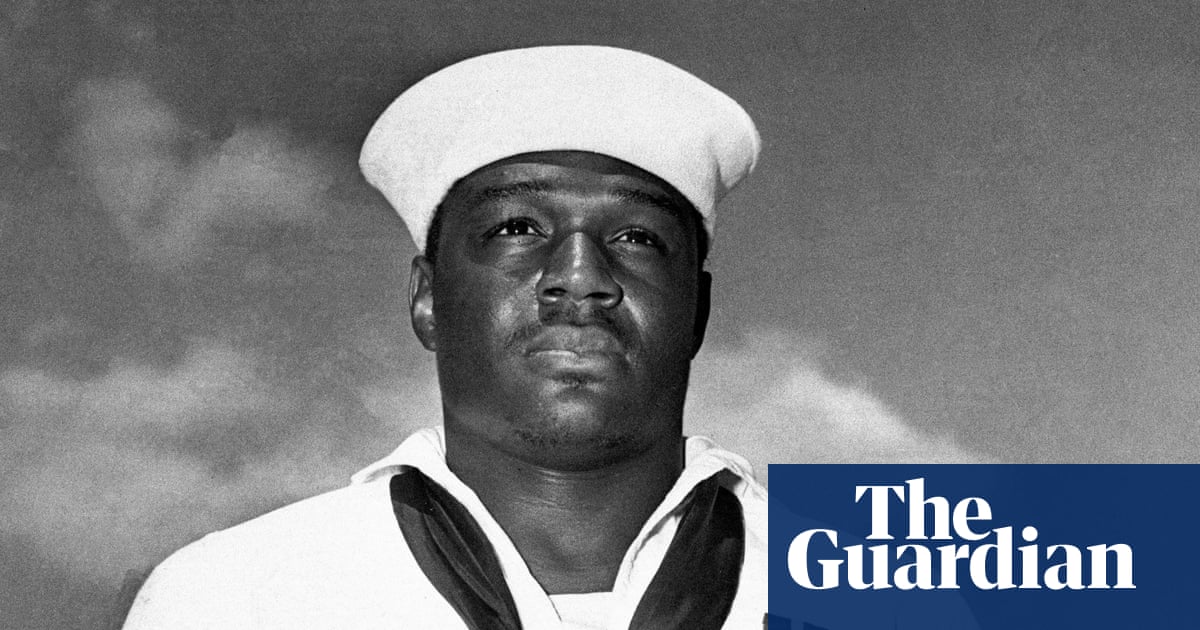
Doris Miller’s legacy is deeply rooted in his service during World War II. Serving as a mess attendant aboard the USS West Virginia, Miller demonstrated extraordinary courage when Japanese forces attacked Pearl Harbor in 1941. Despite lacking formal training on anti-aircraft weapons, he manned a machine gun and reportedly helped shoot down several enemy bombers. His actions under fire earned him the Navy Cross, one of the military’s highest decorations for valor.
The citation accompanying Miller’s award highlights his bravery amidst chaos. While assisting his mortally wounded captain to safety during intense bombing and strafing runs, Miller took control of a weapon system he had never formally operated. He continued firing at attacking aircraft until ordered to leave the bridge. This display of initiative and courage in the face of serious danger has made him a celebrated figure in naval history.
Miller’s service did not end with the defense of Pearl Harbor. He died in 1943 when the USS Liscome Bay, on which he was serving, was struck by a Japanese torpedo. The attack resulted in the loss of two-thirds of the ship’s crew. His death at sea added to the solemnity of his story and reinforced the calls from his family and advocates for further recognition of his contributions.
For decades, Miller’s family has campaigned to have his Navy Cross upgraded to the Medal of Honor, the nation’s highest military decoration. They argue that his actions warrant this higher distinction given the circumstances of his service and sacrifice. The potential renaming of a carrier named in his honor has reignited discussions about how the military commemorates its heroes and whether current political figures should be included in such tributes.
Criticism of the reported renaming plans has been swift and pointed. Senator Mark Kelly, a retired Navy officer from Arizona, publicly condemned the idea on social media. He emphasized that Miller’s bravery is legendary and argued that the carrier should not be renamed at all. Kelly specifically noted that Trump has previously made statements denigrating servicemembers like Miller, making the proposed honor particularly contentious.
The debate extends beyond political disagreement to questions of historical memory and institutional values. Naming a ship after a living politician breaks with tradition and raises concerns about the politicization of military honors. Supporters of the original plan argue that Miller’s story represents the best of American service, transcending partisan lines. The Navy has not yet announced a final decision, leaving the future of the vessel’s name in limbo.
As construction continues, the uncertainty surrounding the ship’s identity reflects broader tensions within the administration and the military establishment. The outcome will likely influence how future generations view the intersection of politics and military tradition. Whether the carrier retains its original designation or receives a new name, the controversy highlights the enduring power of symbols in shaping public perception of national heroes.
Observers are waiting for official confirmation from the Pentagon regarding the final naming decision. Until then, the discussion remains speculative but significant. The potential renaming serves as a flashpoint for larger conversations about who deserves to be honored and how those honors should be bestowed. The Navy’s response will be closely watched by historians, veterans, and policymakers alike.
Sources behind this briefing
Go to the original reporting
- The Guardian US Politics↗US navy carrier set to honor Black war hero may reportedly be renamed after Trump