The short version
- Families of deployed naval personnel accuse top administration officials of ignoring reports of inadequate food, water, and medical support on warships.
- Sailors on the USS Abraham Lincoln and USS Tripoli have experienced significant weight loss and limited access to mental health care during months-long deployments.
- While relatives describe a crisis of morale and physical health, leadership maintains that conditions are misrepresented and deployment durations remain appropriate.
A sharp conflict has emerged between the families of United States naval personnel and senior administration officials regarding the living and working conditions aboard warships deployed to the Middle East. Relatives of sailors serving on the USS Abraham Lincoln and the USS Tripoli have voiced intense frustration after President Donald Trump and Defense Secretary Pete Hegseth publicly dismissed concerns about extreme pressures and dire circumstances facing crew members. These families, speaking anonymously due to fears of retribution against their active-duty relatives, describe a situation where physical health is deteriorating and mental support systems are failing under the strain of prolonged operations.
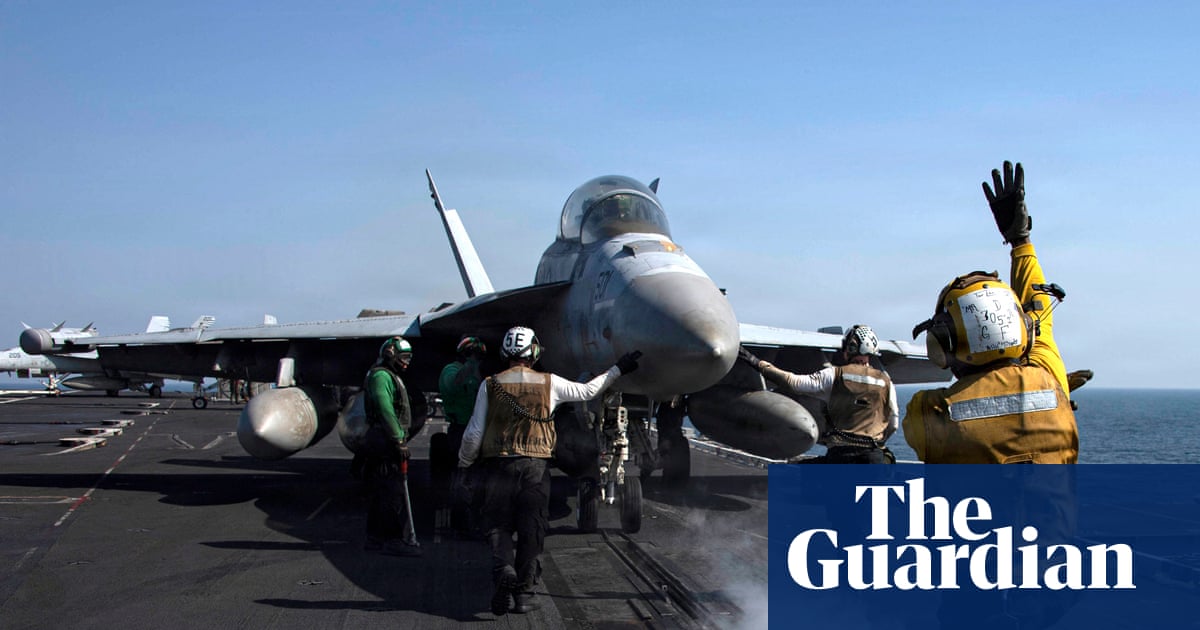
The USS Abraham Lincoln, an aircraft carrier carrying more than 5,000 sailors and marines, has been at sea for nearly nine months since its deployment began in November. This extended period without making land has placed immense stress on the crew. Reports indicate that multiple suicide attempts have occurred onboard, including incidents where sailors jumped overboard. One such incident earlier this month required a helicopter rescue after a sailor succeeded in going overboard. The duration of the mission has drawn criticism from relatives who argue that the length of service exceeds reasonable limits for human endurance and safety.
Physical deterioration among crew members is a central concern raised by families. Several relatives reported that their loved ones have lost between 20 and 30 pounds since arriving in the theater of operations five months ago. One mother described her son as emaciated, showing photographs that contrast his previous muscular build with his current thin frame upon return from duty on the USS Tripoli. The amphibious assault ship, which carries approximately 3,500 personnel, was redeployed from Japan in March and returned last month. The visible physical decline suggests systemic issues with nourishment and supply logistics that families believe are being ignored by command structures.
Beyond weight loss, families cite inadequate access to clean drinking water and insufficient mental health resources as critical failures. One sailor’s sister shared text messages indicating that water quality was so poor that standard drinking containers were removed from use. Mental health support appears severely stretched; one crew member reported that the deployment resilience counselor had quit months prior. Access to psychiatric care involves a five-week waitlist, with some sailors suggesting that only severe emergencies, such as attempting suicide or overdosing, result in immediate attention. These accounts paint a picture of a support system overwhelmed by the scale and intensity of the ongoing conflict.
Senior leadership has rejected these characterizations of onboard life. When asked about family concerns regarding conditions on the Lincoln, President Trump stated that families were not worried and asserted that the nine-month deployment was not nearly long enough. Defense Secretary Hegseth echoed this sentiment, claiming that the reality aboard the carrier had been completely misrepresented. These statements have provoked anger among relatives who feel their loved ones’ sacrifices are being trivialized. One sister expressed a sense of betrayal, noting that the commander-in-chief and defense secretary were effectively calling service members liars by dismissing their documented struggles.
The disconnect between official narratives and family experiences is further highlighted by interactions with military command. A senior officer from Central Command recently visited the Lincoln for two hours, delivering what one crew member described as an inspiring speech focused on positive news. However, the visit concluded with a message that mental health issues should be viewed simply as general health matters, suggesting that sailors could exercise their brains to achieve happiness. This approach has been criticized by families and crew members alike as inadequate for addressing the complex psychological toll of prolonged combat deployment and isolation.
Logistical challenges appear to be compounding the difficulties faced by deployed forces. The USS George Washington is reportedly being sent to replace the Lincoln, signaling an eventual rotation. However, skepticism remains among families regarding the reliability of relief schedules. One relative noted that previous promises of relief were broken when a replacement vessel was diverted to Guam instead. This history of delayed rotations has eroded trust in official assurances that conditions will improve soon. The uncertainty surrounding deployment timelines adds another layer of stress for both sailors and their families.
The broader implications of this dispute extend beyond individual ships to the overall management of military resources during the ongoing US-Israel war with Iran. Central Command did not respond to requests for explanation regarding the logistical challenges faced by US warships in the theater. The lack of transparency from command structures has left families feeling powerless and unheard. As the conflict continues, the tension between operational necessities and the welfare of service members remains unresolved, raising questions about how the military balances mission objectives with the physical and mental well-being of its personnel.
Moving forward, the situation highlights a growing divide between public statements from leadership and the lived experiences of those on the front lines. While officials maintain that conditions are acceptable and deployments are necessary, families argue that the human cost is being overlooked. The potential for further incidents, given the reported mental health crises and physical decline, underscores the urgency of addressing these concerns. Without concrete changes to support systems and deployment policies, the risk to sailor welfare may continue to escalate, potentially impacting morale and operational effectiveness in the long term.
This controversy also reflects broader debates about military accountability and transparency. Families are demanding that their voices be heard and that the realities of modern warfare be acknowledged rather than dismissed. The emotional toll on relatives, who watch their lovedones suffer in silence due to fear of retaliation, adds a personal dimension to what is otherwise a policy dispute. As the Lincoln prepares for relief and other ships continue their missions, the question of how the military supports its people during extended conflicts remains critically important.
Sources behind this briefing
Go to the original reporting
- The Guardian US Politics↗Families of US sailors denounce Trump and Hegseth for ‘dismissing their experiences and calling them liars’