The short version
- Nats CEO Martin Rolfe acknowledged widespread public anger following two major air traffic control system failures in September that grounded hundreds of thousands of passengers.
- Despite demands for his resignation from Ryanair and other carriers, Rolfe stated he has not considered stepping down and dismissed the criticism as part of the job's inherent accountability.
- A government-commissioned inquiry is currently reviewing the incidents, with Transport Secretary Heidi Alexander describing the system failures as unacceptable while awaiting final findings.
The head of National Air Traffic Control Services has publicly addressed the intense backlash following a series of technical failures that severely disrupted UK air travel in September. Martin Rolfe, the chief executive of Nats, described himself as likely being the most unpopular figure in the country during that period, acknowledging the significant frustration caused to passengers and airlines alike. His comments came during an aviation industry conference in London, where he sought to contextualize the events while defending his leadership decisions amid calls for his removal.
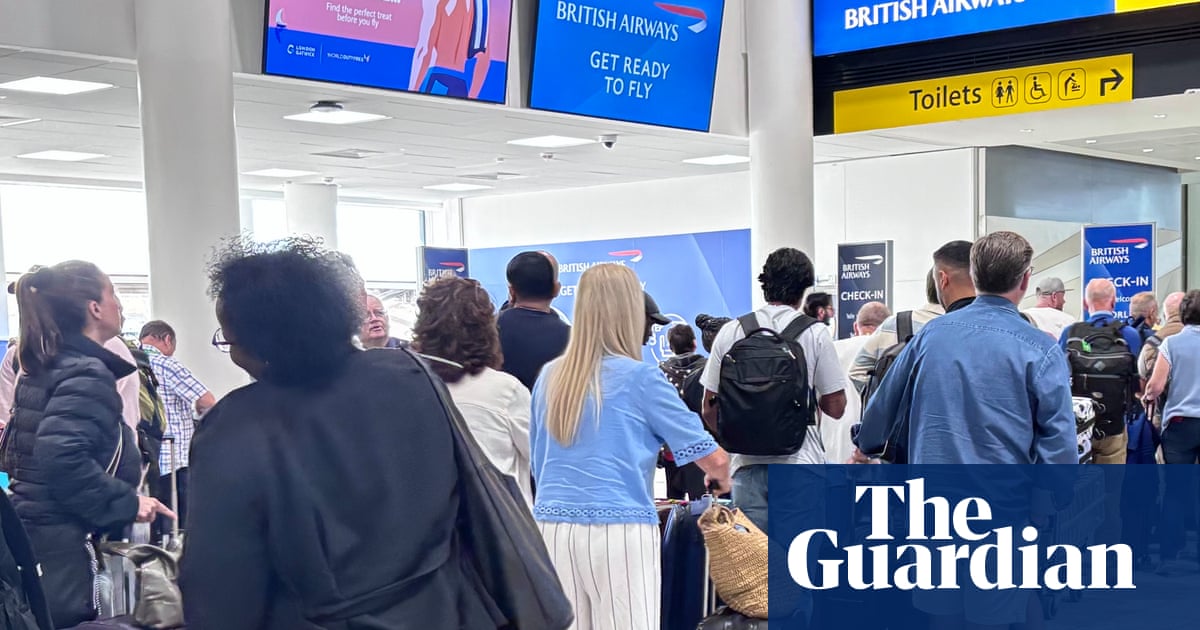
The controversy stems from two separate incidents within a fortnight in September, both involving critical system outages at control centers managed by Nats. The first major failure occurred on September 8, when a software issue prevented flights from taking off or landing, causing widespread chaos. Airlines reported that this single day of disruption cost them tens of millions of pounds. Rolfe noted that while approximately 8,000 flights were scheduled for that day, only 6,000 managed to operate, though he did not elaborate on the extensive delays experienced by those who did fly.
A second glitch followed on September 21 at Nats’s control center in Prestwick, Scotland. This incident resulted in more than 200 flight cancellations, compounding the operational strain on carriers and further eroding public confidence in the air traffic management system. Rolfe characterized the causes of both events as unprecedented, asserting that the specific technical faults responsible for these outages have since been fixed. However, he stopped short of guaranteeing that similar issues would never arise again, noting the inherent complexity of such systems.
The failures have drawn sharp criticism from airline executives, particularly Michael O’Leary, the chief executive of Ryanair. O’Leary has repeatedly demanded Rolfe’s resignation, a stance he has maintained since previous disruptions grounded flights during the August bank holiday in 2023. Rolfe dismissed these demands, stating that he found it amusing to ignore O’Leary’s calls for him to quit. He suggested that such public criticism is a regular occurrence for O’Leary and not something he feels compelled to address seriously.
Rolfe emphasized that accepting personal responsibility is an integral part of his role, especially when operational failures impact the public. He acknowledged that if he were the cause of the disruption, he would expect significant backlash. Despite the pressure, he confirmed that he has not considered resigning. His stance reflects a belief that accountability in high-stakes industries requires enduring public scrutiny without necessarily conceding to every demand for leadership changes.
The incidents have triggered a formal government-commissioned inquiry into the causes and implications of the outages. The Civil Aviation Authority is currently reviewing Nats’s early report, which indicated that the software problem was not initially perceived as serious. This assessment has raised questions about risk management and incident response protocols within the organization. The CAA is expected to present its findings to Transport Secretary Heidi Alexander in early 2027.
Transport Secretary Alexander used the same conference platform to express her dissatisfaction with the system’s performance. She described the failures as unacceptable and stated that she was angry when the system fell short of expectations for resilience. While she declined to pre-judge the outcome of the CAA review, she pledged to take necessary actions to ensure that lessons are learned from these events. Her comments signal potential regulatory or operational changes ahead.
The situation highlights the delicate balance between maintaining complex technical infrastructure and managing public expectations during failures. While Nats claims the specific issues have been resolved, the lack of a guarantee against future outages leaves airlines and passengers uncertain about long-term reliability. The upcoming CAA report will likely determine whether further structural reforms or leadership changes are required to prevent similar disruptions in the future.
As the aviation industry moves forward, the focus remains on restoring confidence in air traffic control systems. Rolfe’s refusal to step down suggests that Nats intends to manage the fallout internally while cooperating with external investigations. The outcome of the inquiry will be critical in shaping the regulatory landscape for UK air traffic management and determining whether current leadership structures are sufficient to handle future challenges.
Sources behind this briefing
Go to the original reporting
- The Guardian World↗Air traffic control boss says he was ‘most disliked person in the UK’ after flight chaos