The short version
- Nato denounced Russian nuclear rhetoric after Moscow threatened to deploy its full arsenal if the alliance targeted Kaliningrad.
- Russian forces intensified daytime strikes on Kyiv using new jet-powered drones that evade current Ukrainian air defenses.
- Russia plans significant cuts to social spending in 2027 to finance a record increase in defense expenditures.
Nato has formally condemned what it describes as irresponsible nuclear rhetoric from Moscow, following warnings from Russian officials that the alliance would face the deployment of Russia’s entire arsenal if Kaliningrad were threatened. A spokesperson for the military alliance confirmed receipt of a non-paper from Russia and issued a response reiterating that Nato remains a defensive organization. The statement emphasized that none of the alliance’s activities or exercises pose a risk to any part of Russian territory. Officials called on Moscow to end its unprovoked war in Ukraine, rejecting the threat of force as unjustified.
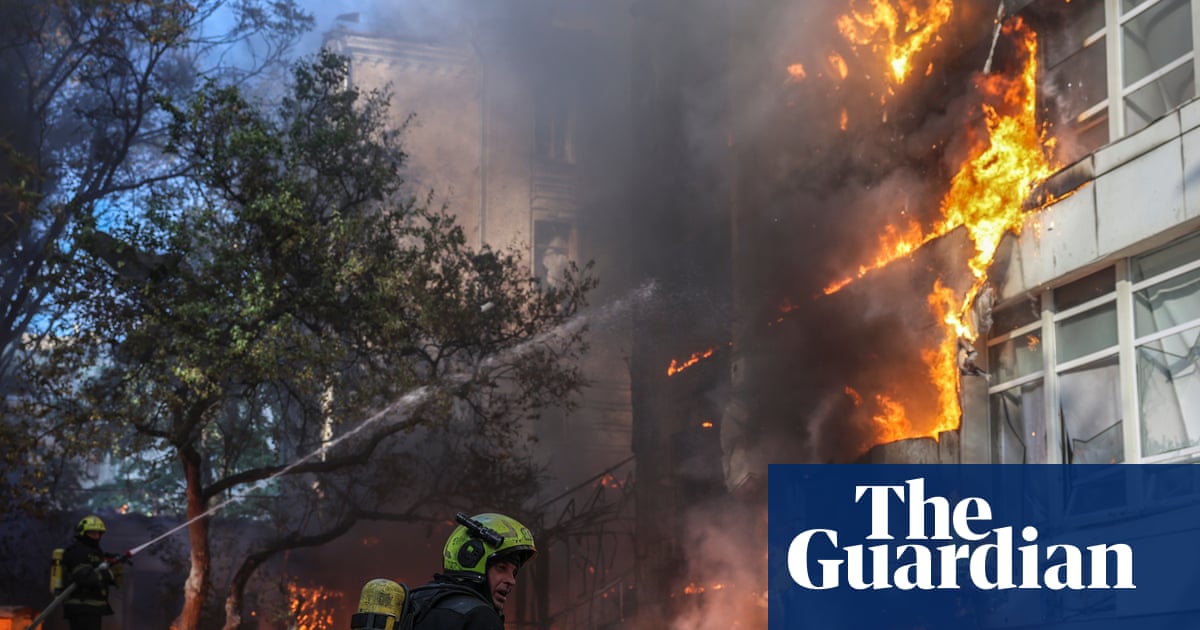
The diplomatic friction coincides with a marked escalation in aerial attacks against Ukrainian cities. Russian forces have intensified daytime strikes on Kyiv, utilizing jet-powered drones that Ukrainian air defenses are currently struggling to intercept. These new unmanned systems fly at speeds and altitudes that exceed the capabilities of existing ground-based defense networks. The shift toward daylight bombardment aims to increase pressure on civilian infrastructure and disrupt daily life in the capital and other major urban centers.
The physical toll of these intensified attacks is evident in recent incidents across Ukraine. In Kyiv, two data centers were struck overnight, while military-linked cargo vessels faced drone strikes in the Black Sea and at the port of Odesa. The surge in aerial activity has forced educational institutions to alter their operations. Taras Shevchenko National University, located near the National Academy of Sciences which was hit previously, ordered students to remain home and switched to remote learning until at least mid-October due to deteriorating security conditions.
Casualties have risen from these sustained bombardments. In the northern city of Sumy, Russian glide bombs struck a school, resulting in two deaths and six injuries, including three children. Local officials reported that teachers and staff managed to evacuate approximately one hundred people before the impact. The use of heavy weaponry against civilian infrastructure continues to draw international condemnation as Russia seeks to degrade Ukraine’s resilience through persistent day-and-night attacks.
Amidst the military escalation, diplomatic channels remain active regarding potential post-conflict arrangements. A Russian envoy met with US officials in Washington to discuss future energy projects and a peaceful resolution to the conflict. These talks follow recent meetings between special envoys and leaders from both Russia and Ukraine. Reports suggest that the US administration is exploring proposals that could involve lifting certain sanctions in exchange for the release of political prisoners, though the White House has not directly confirmed specific terms.
Domestically, Russia is restructuring its economy to sustain prolonged military engagement. Fiscal documents indicate that the state budget for 2027 will see a significant increase in defense spending, rising to approximately 17.1 trillion rubles. This represents a substantial jump from previous allocations and marks the highest defense expenditure since the war began. To fund this expansion, the government plans to reduce funding for social policy, education, and healthcare by several percentage points, shifting resources away from civilian services toward military operations.
The strain on Russian military assets is also apparent in recent operational losses. A nuclear-capable strategic bomber crashed during a training mission in the country’s far east, killing six crew members. The incident occurred in an unpopulated area, with one survivor hospitalized for injuries. This accident highlights the risks associated with maintaining extensive air campaigns and training programs under wartime conditions.
Despite the intensifying conflict, international support for Ukraine continues to flow. Belgium has committed to transferring three additional fighter jets by year-end, complementing recent deliveries of ammunition from European allies. Ukrainian leadership also acknowledged receipt of a new air defense system developed jointly by the US and Norway. These military aid packages aim to bolster Ukraine’s ability to defend against evolving aerial threats while diplomatic efforts seek to navigate a path toward eventual negotiations.
The situation remains volatile as Russia balances aggressive military tactics with internal fiscal adjustments and external diplomatic overtures. The combination of new drone technology, increased strike frequency, and hardened nuclear posturing presents significant challenges for Ukrainian defenses and international mediators. As both sides prepare for the coming months, the focus remains on mitigating civilian harm while addressing the broader geopolitical implications of a protracted conflict.
Observers note that the divergence between Moscow’s hardline public statements and behind-the-scenes diplomatic engagements creates an uncertain environment. While Nato maintains its defensive stance, the escalation in Kyiv underscores the immediate dangers faced by civilians. The coming weeks will likely reveal whether diplomatic channels can yield tangible progress or if military pressures will continue to dominate the narrative.
Sources behind this briefing
Go to the original reporting
- The Guardian US↗Ukraine war briefing: Nato condemns Moscow’s ‘irresponsible nuclear rhetoric’ as strikes on Kyiv intensify