The short version
- General Alexus Grynkewich stated that NATO is prepared to engage immediately if attacked, emphasizing a strategy to block and blunt any enemy advance.
- European officials report an increase in Russian sabotage and covert operations, including arson and attempted drone strikes on allied territory.
- While the alliance denies seeking conflict, internal challenges regarding drone detection capabilities and political pressures from Washington complicate the security landscape.
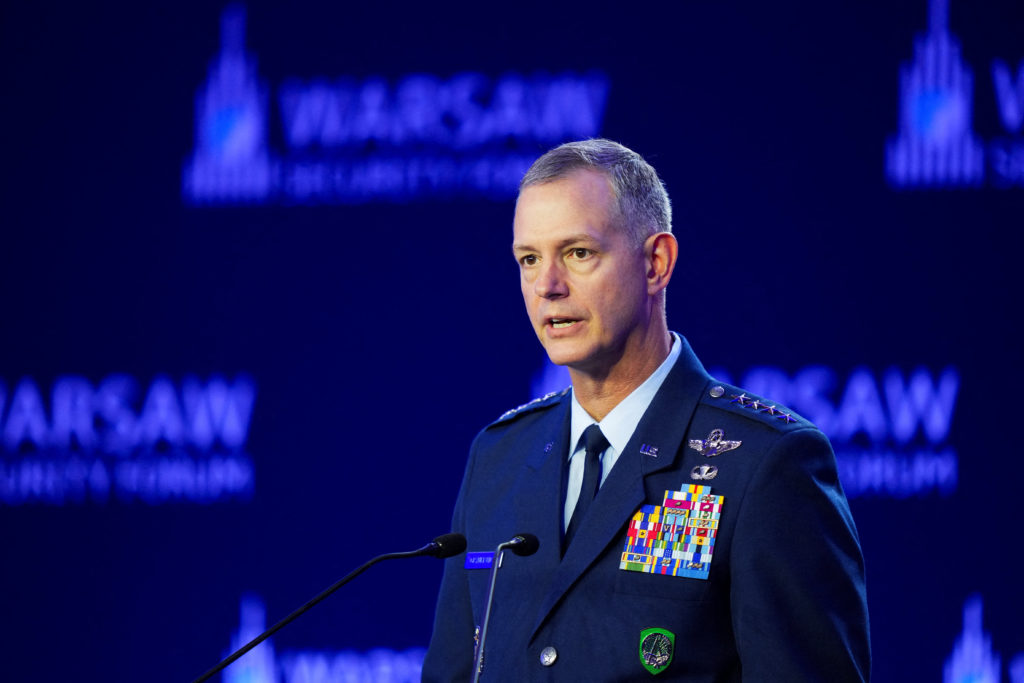
NATO’s Supreme Allied Commander, U.S. General Alexus Grynkewich, declared that the military alliance is prepared to engage in combat immediately should it face an attack, signaling a firm stance on collective defense during a period of heightened tension with Russia. Speaking at the Warsaw Security Forum in Poland, Grynkewich articulated what he termed NATO’s 'Theory of Victory,' which centers on preventing any adversary from seizing or holding territory within member states. He emphasized that while the alliance does not desire war, it is equipped to detect and respond to aggression using a combination of sensors, autonomous systems, and conventional military force.
The commander’s remarks come as European nations confront a noticeable escalation in covert Russian activities across the continent. Intelligence services in several NATO countries have identified a pattern of sabotage incidents attributed to Moscow, including an arson attack on a defense company in Estonia and a thwarted plot involving an explosive-laden drone at a German airport targeting a Ukrainian aircraft. These events have prompted warnings from officials that Russia may be testing NATO’s defenses through limited military incursions or increased covert operations designed to sow discord among alliance members.
Grynkewich outlined a multi-layered response strategy intended to neutralize threats before they can gain momentum. His approach involves blocking the initial phase of any attack, blunting subsequent efforts to advance, and ultimately breaking the enemy’s operational systems if necessary. This includes targeting not only frontline forces but also the logistical and command structures that sustain them. The general stressed that preserving peace requires robust preparation for conflict, alongside maintaining open communication channels to resolve potential misunderstandings between opposing sides.
Despite the strong rhetoric on readiness, uncertainties remain regarding the specific nature of potential threats. Grynkewich did not provide detailed information about the type of attack NATO is preparing for, the likely locations, or the specific forces involved. However, he affirmed that no one should question the United States’ commitment to the alliance, even as political decisions regarding troop deployments continue to evolve. The commander noted that determining where troops are stationed is a political choice, but the underlying security guarantee remains intact.
European intelligence agencies have expressed varying levels of concern about the risk of direct conflict. Denmark’s Defense Intelligence Agency assessed there is a low but growing probability that Russia might launch a limited military attack against one or more NATO countries bordering Russia. Polish Prime Minister Donald Tusk warned of potential drone or rocket strikes on European allies supporting Ukraine, while other nations have called for restraint and calm. These differing perspectives highlight the complexity of assessing threat levels across diverse geopolitical contexts within the alliance.
Operational challenges also persist within NATO’s defensive capabilities. While Grynkewich highlighted the deployment of ground sensors and technology to detect and counter drones, some member states have struggled in exercises simulating drone warfare. Incidents such as a drone straying into Lithuanian airspace and multiple crashes in border regions underscore difficulties in detecting and responding to aerial incursions. A spokesperson for the commander noted that the network connecting detection systems to defensive measures is still being established and has not yet successfully intercepted any drones.
The security environment is further complicated by political developments in Washington. President Donald Trump’s recent agreement to purchase diesel from Russia, aimed at lowering domestic fuel prices ahead of midterm elections, has raised concerns among European allies about the consistency of U.S. support. Additionally, earlier statements by the president regarding the withdrawal of American troops from Europe and conflicts elsewhere have contributed to shortages of advanced air defense missiles in the region. These factors add layers of uncertainty to NATO’s strategic planning.
Looking ahead, Grynkewich emphasized the need for a coherent response to Russian malign activity to clearly define red lines for Moscow. He suggested that doubling down on support for Ukraine remains a critical component of this strategy. As the alliance continues to integrate new technologies and refine its defensive doctrines, the focus remains on deterrence through visible readiness and unified action. The coming months will likely see continued efforts to strengthen sensor networks and improve coordination among member states to address evolving threats.
The situation reflects a delicate balance between demonstrating strength and avoiding escalation. While NATO asserts it is unlikely to be caught by surprise, the increasing frequency of covert incidents suggests that Russia is actively probing alliance vulnerabilities. The effectiveness of Grynkewich’s proposed strategy will depend on the ability of member nations to overcome technical hurdles and maintain political unity in the face of external pressures. For now, the alliance stands ready to defend its territory while seeking diplomatic avenues to de-escalate tensions.
As European officials monitor developments closely, the emphasis remains on preparedness without provocation. The integration of autonomous systems and improved sensor coverage aims to close gaps in defense capabilities identified in recent exercises. Despite the lack of specific details regarding imminent threats, the overarching message from NATO leadership is one of resolve. The alliance seeks to ensure that any potential aggressor understands the high cost of attacking member states, thereby reinforcing the principle of collective security that has underpinned NATO’s mission for decades.
Sources behind this briefing
Go to the original reporting
- PBS NewsHour↗NATO commander says alliance does not want war but is 'ready to fight tonight'