The short version
- James Graham will write and Jeremy Herrin will direct a new drama tracing John Major’s political ascent to prime minister.
- The season includes seven other world premieres addressing themes such as the Arab Spring, Northern Irish peace talks, and Caribbean identity.
- Shakespeare is absent from the main stage lineup, with the theatre prioritizing modern classics and original storytelling over traditional canon.
The National Theatre in London has unveiled its upcoming season, a programme defined by eight world premieres that center on political instability and global conflict. The institution’s leadership describes the collection as an examination of the perspectives and cultures shaping the contemporary world, with a specific focus on resilience and hope during times of change. This strategic shift marks a departure from traditional programming, emphasizing original storytelling and bold artistic voices over established historical repertoires.
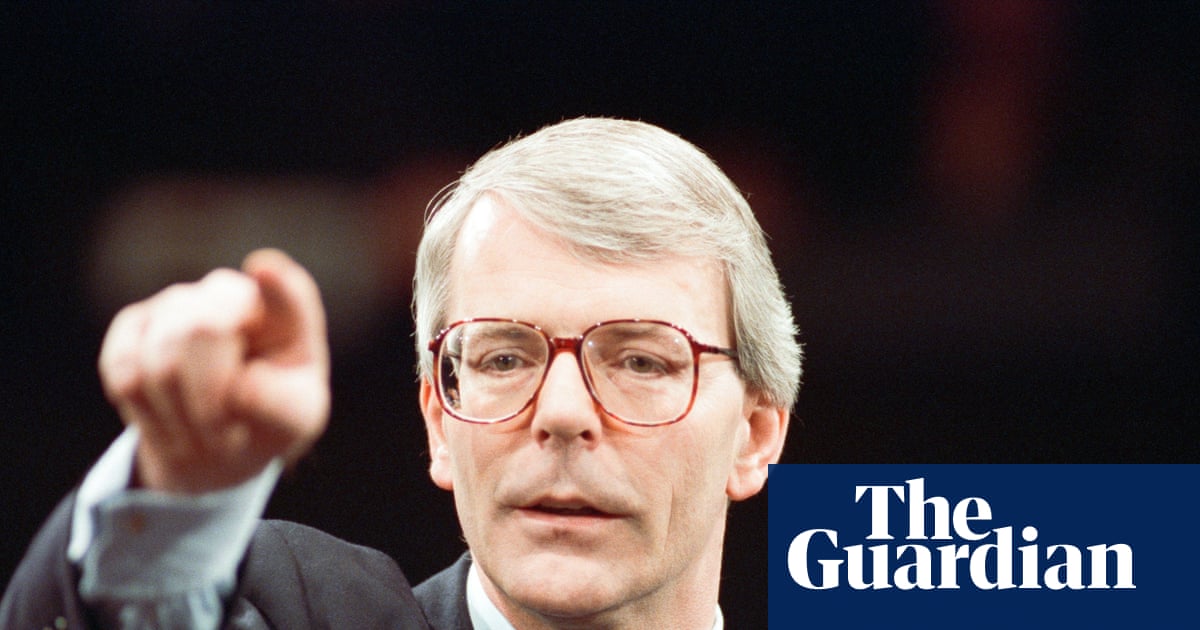
A central component of this new lineup is a play written by James Graham that chronicles the rise of John Major. Directed by Jeremy Herrin, known for his work on the parliamentary drama This House, the production will explore Major’s transition from an obscure whip to prime minister. The narrative focuses on the pivotal moment when Major succeeded Margaret Thatcher, a period characterized by significant shifts in Britain’s relationship with Europe. Graham returns to recent political history, a recurring subject in his portfolio, to investigate the nature of leadership during periods of intense political transformation.
The season extends beyond British politics to include international narratives that highlight diplomatic breakthroughs and social upheaval. Moira Buffini’s The Great Indaba, directed by Indhu Rubasingham, dramatizes a 1997 meeting in South Africa involving Nelson Mandela’s government and Northern Irish political rivals. This production coincides with the approach of the Good Friday Agreement negotiations, offering a theatrical look at the complex dynamics of national unity and peace processes. Similarly, Carmen Nasr’s Samira, directed by Emily Burns, is set against the backdrop of the Arab Spring, providing a stage for exploring the region’s transformative political movements.
Other premieres address personal and familial identities within broader social contexts. Oladipo Agboluaje’s The Adeyemis – A Family Saga will premiere in the Dorfman theatre, directed by Lucian Msamati and starring Uzo Aduba. This political family drama explores the experiences of a British Nigerian household. Additionally, Natasha Gordon’s stage adaptation of Bernardine Evaristo’s novel Mr Loverman will feature Gary Beadle, Jo Martin, and Danny Sapani. Directed by Paulette Randall, the play follows a married Caribbean man as he confronts his sexuality, adding a layer of personal introspection to the season’s thematic focus on identity and conflict.
Musical theatre is also represented in the new programme with Glorious Madness, a British musical featuring songs by Joan Armatrading. Iman Qureshi wrote the book for the production, which is directed by Phyllida Lloyd. This offering provides a counterpoint to the dramatic political narratives, utilizing music to explore themes of resilience. The inclusion of diverse genres underscores the theatre’s aim to reflect an international spirit and engage with a wide range of cultural expressions.
Immersive theatre remains a key pillar of the National Theatre’s strategy, with Punchdrunk opening a new production called Ghostlight. Conceived and directed by Felix Barrett, the company’s founder, and curated by writer Lucy Kirkwood, this work continues the institution’s commitment to innovative performance formats. The balance between traditional stage plays and immersive experiences highlights the theatre’s effort to reach audiences through varied artistic mediums, extending beyond conventional seating arrangements.
Notably, the season does not include any Shakespeare productions on its three main stages. While Hamlet is part of the National Theatre Collection, a streaming and education service, it is absent from the live stage lineup. Instead, the theatre has opted for modern classics and twentieth-century works. These include West Side Story, co-directed by Marianne Elliott and Miranda Cromwell, and Tennessee Williams’ Suddenly Last Summer, starring Emma Corrin and Harriet Walter. David Hare’s Plenty, directed by Richard Eyre and featuring Emilia Clarke, and Arthur Miller’s Death of a Salesman, with Paul Mescal and Tracy Letts, further populate the schedule.
Paul Mescal will also lead a repertory production alongside Death of a Salesman, appearing in Tom Murphy’s A Whistle in the Dark and Tom Stoppard’s Rosencrantz and Guildenstern Are Dead. This casting choice allows for a concentrated exploration of classic dramatic texts without relying on Shakespearean works. The National Theatre states that this 2027 programme will include eighteen productions in total, combining world premieres with touring productions and work distributed through cinema and schools.
Executive Kate Varah emphasized that the programme represents an investment in original storytelling at a time when theatre is increasingly reaching audiences beyond its South Bank stages. Indhu Rubasingham noted that the season is united by themes of resilience and hope, aiming to reflect the international spirit at the heart of the institution. By prioritizing contemporary political history and modern classics, the National Theatre seeks to engage with current global conflicts and cultural shifts through a lens of artistic innovation.
Sources behind this briefing
Go to the original reporting
- The Guardian World↗John Major’s rise from obscure whip to PM part of new National Theatre season

