The short version
- Solid-state battery prototypes survived temperature swings from 212 degrees Fahrenheit to minus 274 degrees Fahrenheit without sustaining damage.
- The technology replaces liquid electrolytes with solid materials, preventing freezing or evaporation in the vacuum of space.
- Successful testing could reduce spacecraft weight by minimizing the need for constant heating systems during lunar missions.
NASA researchers have achieved a significant milestone in developing power storage solutions capable of enduring the Moon’s harsh environment. The agency’s Solid Power for Extreme Environment Adaptability and Resilience in Space, or SPEARS, project has successfully tested battery prototypes that can survive extreme temperature fluctuations without sustaining structural damage. This development addresses a critical vulnerability in current space exploration technology: the inability of standard lithium-ion batteries to function reliably in the vacuum and thermal extremes of lunar operations.
Conventional batteries rely on liquid electrolytes, which present multiple risks in space. In the freezing darkness of the Moon’s south pole, where nighttime temperatures can drop to minus 328 degrees Fahrenheit, these liquids freeze, potentially destroying the battery. Conversely, during the lunar day, temperatures can soar to 212 degrees Fahrenheit, causing performance issues until the unit cools. Furthermore, the vacuum of space causes liquid electrolytes to evaporate, rendering traditional power sources ineffective for long-duration missions or emergency equipment.
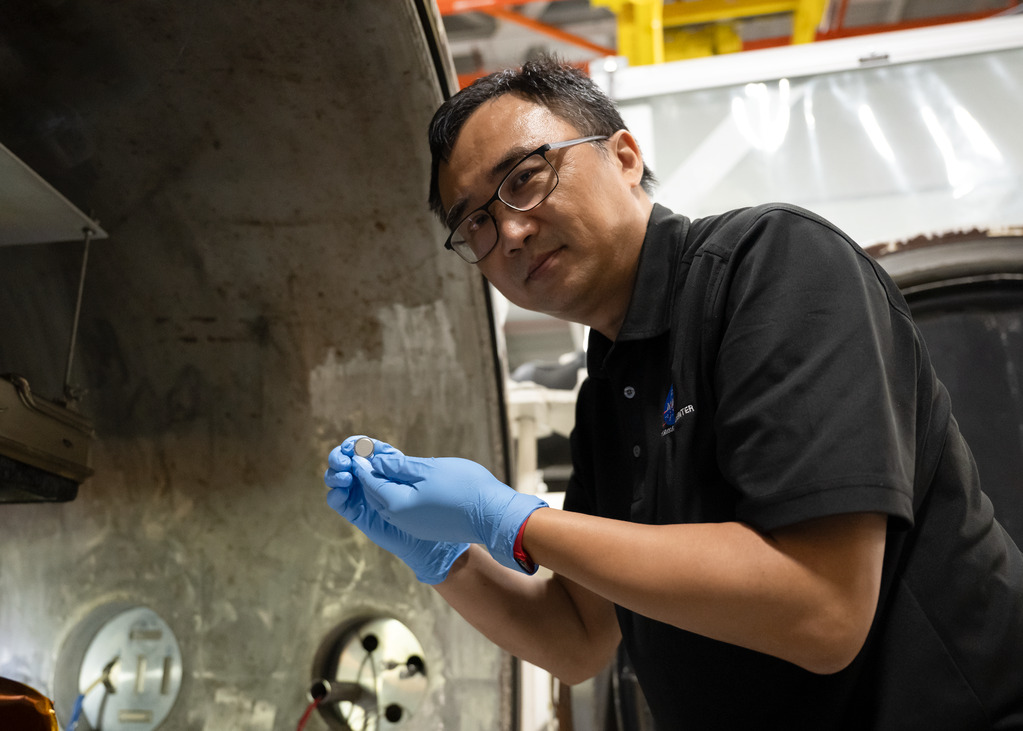
The SPEARS initiative tackles these challenges by substituting liquid electrolytes with solid ceramic or polymer-based materials. This fundamental shift in chemistry allows the batteries to operate across a wider thermal range. Recent testing at NASA’s Langley Research Center in Virginia demonstrated that small prototype cells functioned effectively at temperatures up to 176 degrees Fahrenheit and down to minus 76 degrees Fahrenheit. Performance remained stable, albeit slightly reduced, even at minus 112 degrees Fahrenheit.
Crucially, the tests revealed that these solid-state batteries can withstand extreme thermal cycling without degradation. After exposure to swings between 212 degrees Fahrenheit and minus 274 degrees Fahrenheit, the units showed no signs of damage. While the batteries do not generate power while frozen at such low temperatures, their solid electrolytes prevent the freezing issues associated with liquid-based systems. This durability suggests that the technology can survive the brutal lunar night, waiting to be reactivated when conditions improve.
Reactivating the batteries after exposure to extreme cold requires only a brief warming period using small heaters. Unlike current systems that must maintain constant warmth to keep batteries operational, SPEARS units can remain dormant in the cold and resume function once heated to an operational temperature. This capability could significantly reduce the mass of thermal management systems required for spacecraft and lunar habitats, leading to lighter designs, lower launch costs, and extended mission durations.
The versatility of solid-state technology extends beyond mere survival; it allows for customization based on specific mission needs. Researchers noted that electrode materials can be tuned to optimize for energy density, power output, or durability depending on the application. This adaptability makes the batteries suitable for a wide range of lunar tools, from drills used in shadowed craters to rovers exploring dark terrain and emergency power packs for astronauts.
The project, led by researchers at NASA’s Glenn Research Center and Langley Research Center, began in 2026 with funding from the agency’s Advanced Research and Technology division. The initial phase focuses on technology development, with plans to potentially transition toward commercial collaboration in later stages. The work builds on previous aeronautic battery projects, highlighting a broader trend toward solid-state power solutions across various industries.
While designed primarily for space exploration, the implications of this technology reach beyond the lunar surface. Solid-state batteries have potential applications in Earth-based markets, including automobiles, consumer electronics, drones, and communication devices. The ability to create safer, more durable, and temperature-resilient power sources could influence portable energy storage globally, offering benefits that extend well beyond NASA’s Artemis campaign goals.
As the Artemis program progresses toward establishing a sustained human presence on the Moon, reliable power infrastructure remains a priority. The success of SPEARS prototypes provides a promising pathway to overcoming one of the most persistent engineering challenges in deep space exploration. Future testing will aim to further expand the operational temperature range and improve performance metrics, bringing lunar-ready power systems closer to reality.
The findings underscore the importance of material science innovation in enabling future space missions. By addressing the limitations of traditional battery chemistry, NASA is laying the groundwork for more robust and efficient equipment capable of supporting long-term exploration. The transition from liquid to solid electrolytes represents a pivotal step in ensuring that astronauts and their tools can operate safely and effectively in the Moon’s unforgiving environment.
Sources behind this briefing
Go to the original reporting
- NASA↗NASA Develops Batteries to Power Humanity’s Return to Moon


