The short version
- A SpaceX Dragon spacecraft is scheduled to launch on October 13, carrying the final set of roll-out solar arrays for the International Space Station.
- The cargo includes specialized hardware for manufacturing artificial retinas and 3D heart tissue models, as well as brain organoids for studying diseases like Alzheimer's.
- NASA will provide live coverage of the launch and subsequent docking, while also hosting a briefing regarding the return of the Crew-12 mission.
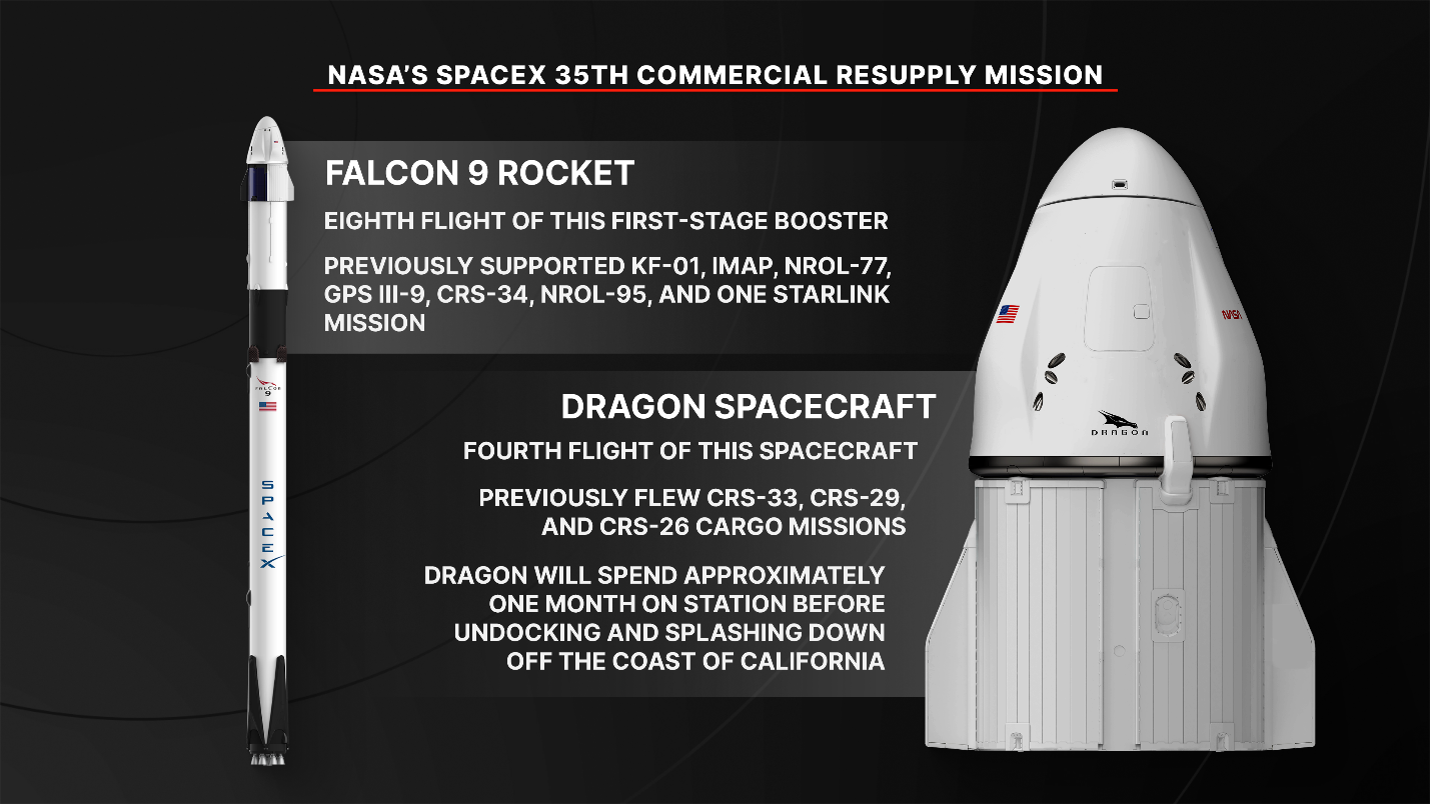
NASA has confirmed the target launch date for its next commercial resupply mission to the International Space Station, marking a significant milestone in the orbital laboratory's infrastructure upgrades. The agency and SpaceX are aiming for a liftoff at 6:33 a.m. EDT on Tuesday, October 13. This flight represents the 35th time SpaceX has delivered cargo to the station under NASA’s Commercial Resupply Services contract, continuing a long-standing partnership that keeps the orbiting complex stocked with essential supplies and scientific equipment.
The primary hardware payload for this mission is the final set of International Space Station Roll-Out Solar Arrays. These advanced solar panels are designed to increase the station's power generation capacity, supporting current operations and future expansion plans. Alongside these structural components, the Dragon spacecraft will carry more than 6,300 pounds of additional cargo. This loadout ensures that astronauts have the necessary resources to maintain daily life and conduct ongoing experiments while awaiting the arrival of new crew members or further supply missions.
Beyond infrastructure, the mission carries a diverse array of scientific investigations focused on human health and materials science. One notable experiment involves hardware designed to manufacture artificial retinas in microgravity. The goal is to leverage the unique environment of space to produce these devices more effectively than possible on Earth, with the ultimate aim of restoring vision for patients suffering from degenerative eye conditions. This research highlights the growing emphasis on using spaceflight capabilities to address terrestrial medical challenges.
Another key component of the cargo includes materials for creating 3D heart tissue models. These models are intended to advance large-scale drug testing, allowing researchers to evaluate pharmaceutical effects on human-like tissue structures with greater accuracy. By moving these tests to space, scientists hope to gain insights into how drugs interact with cardiac cells in ways that may not be fully replicable in ground-based laboratories. This could streamline the development of safer and more effective cardiovascular treatments.
The mission also supports research into neurodegenerative diseases through the transport of brain organoids. These miniature, lab-grown brain tissues can help identify potential treatment targets for conditions such as Alzheimer’s disease, Parkinson’s disease, and multiple sclerosis. Understanding how these diseases progress in a controlled microgravity environment may reveal new pathways for intervention. Additionally, the spacecraft carries materials to study the formation of a new type of glass in space, contributing to broader materials science objectives.
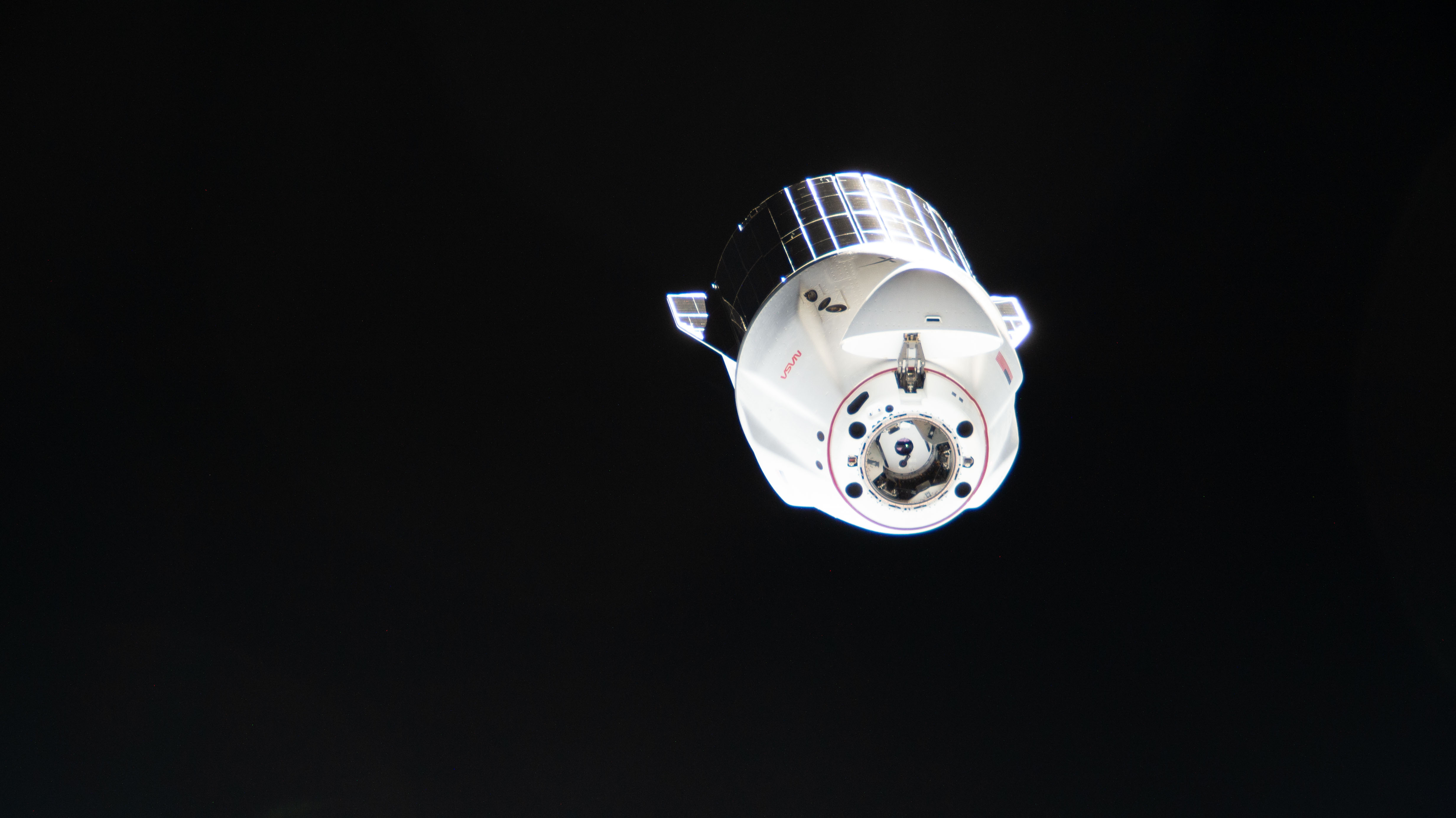
The launch will take place from Space Launch Complex 40 at Cape Canaveral Space Force Station in Florida. A Falcon 9 rocket will propel the Dragon spacecraft into orbit. Following liftoff, the vehicle is expected to dock autonomously with the space station around 11 a.m. on Thursday, October 15. The docking port is located on the space-facing side of the Harmony module, a central hub for international collaboration and scientific activity aboard the station.
NASA plans to provide extensive coverage of the mission through various digital platforms. Live streaming and blog updates will begin no earlier than 6 a.m. on launch day, offering real-time commentary as countdown milestones are reached. On-demand video and photography will be available shortly after liftoff for those unable to watch live. The agency is also inviting the public to participate in a virtual guest program, which includes curated resources and a digital stamp for participants' virtual passports.
In conjunction with the resupply mission, NASA will host a media teleconference on Thursday, October 8. This briefing will preview the upcoming cargo flight and provide updates on the SpaceX Crew-12 mission, which is scheduled to return to Earth from the station that same morning. The Dragon spacecraft carrying the new supplies is expected to remain attached to the station until mid-November. It will then depart with time-critical research samples and cargo, eventually splashing down off the coast of California to complete its journey.
Sources behind this briefing
Go to the original reporting
- NASA↗NASA Sets Coverage for SpaceX 35th Station Resupply Launch, Arrival