The short version
- Reid Wiseman and Victor Glover are the first astronauts designated as emeriti, allowing them to maintain ties with NASA while working elsewhere.
- The new status replaces rigid retirement or management tracks, enabling former crew members to advise on Orion systems and Artemis III preparations without full-time agency employment.
- Glover has accepted a leadership role at Cal Poly but will volunteer his time to help establish the United States Space Academy and support training simulations.
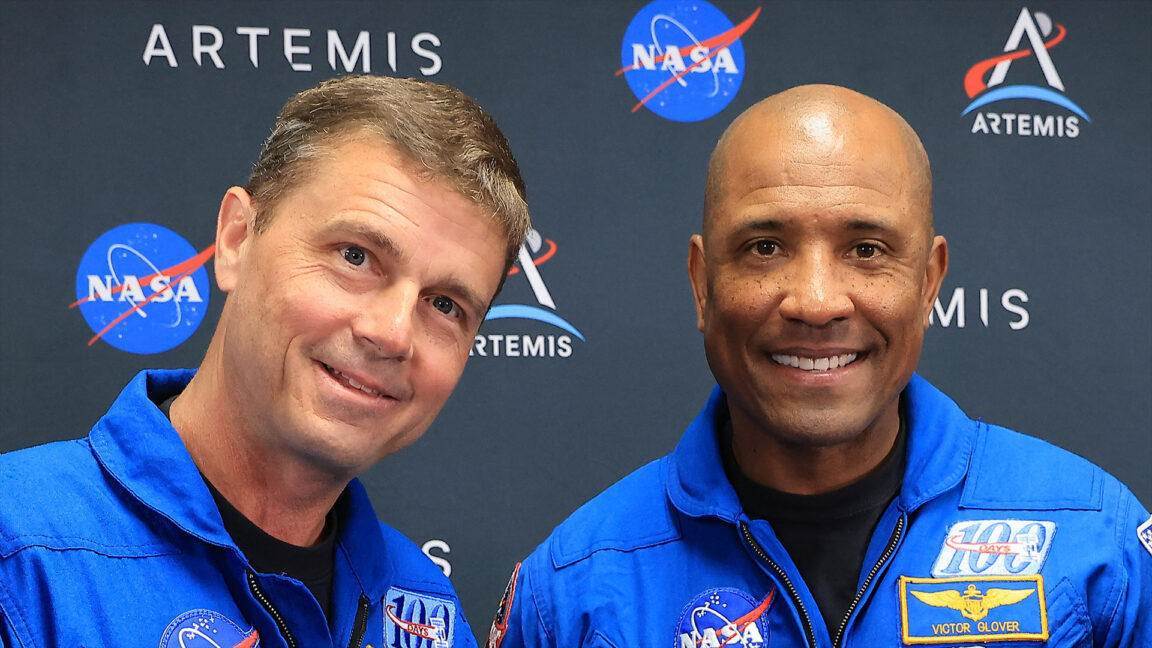
Five months after completing their historic circumlunar flight, two members of the Artemis II crew have entered a new category of service within NASA. Reid Wiseman and Victor Glover are the first individuals to be designated as astronaut emeriti, a distinction that allows them to step away from full-time agency employment while remaining available to support ongoing operations at the Johnson Space Center in Houston.
This arrangement represents a structural shift in how the space agency handles personnel who have completed their flight assignments. Historically, astronauts faced a binary choice: retire completely or transition into management roles within the astronaut office if they were no longer eligible for flight duty. Those wishing to join private industry, return to military service, or pursue public office typically severed their formal ties with NASA entirely.
The emeritus program bridges this gap by offering a formal mechanism for continued engagement. Glover described the status as technically a retirement program but one that avoids the finality of the term. He noted that such arrangements have traditionally been reserved for scientists who wish to return to academia while still contributing their groundbreaking research expertise to the agency.
Glover has accepted a full-time administrative leadership position at California Polytechnic State University in San Luis Obispo, where he will help shape long-term institutional strategies. Despite this external commitment, he has agreed to provide voluntary advisory services to NASA. He plans to share his specific knowledge of living and working aboard the Orion spacecraft, offering insights that are critical for future mission planning.
His involvement is expected to extend beyond general advice. Glover intends to participate in training simulation runs and hopes to contribute to the foundational work of the United States Space Academy, an initiative serving both NASA and the U.S. Space Force. He emphasized his interest in building the next generation of technical workforce leaders, viewing the timing of his emeritus status as ideal for this dual role.
Wiseman is similarly leveraging his new status to support the agency’s upcoming goals. He plans to share his spaceflight experience with colleagues preparing for Artemis III, which is targeted for no earlier than mid-2027. That mission will test Orion’s rendezvous and docking capabilities with commercial human landing systems in low-Earth orbit, a complex operation that benefits from the perspective of recent flight crews.
The formalization of this service distinguishes Wiseman and Glover from previous astronauts who maintained informal ties to NASA. Figures such as Neil Armstrong and Sally Ride volunteered on investigative committees after their retirement, while others like Scott Carpenter and Edward Gibson took leaves or returned for specific roles before eventually leaving again. Anna Lee Fisher also took extended leave to raise her family before returning to oversee hardware development.
Unlike those historical precedents, the emeritus status provides a structured pathway for continued contribution. Glover and Wiseman will need to reapply for this status annually if they wish to remain in service. Glover expressed a desire to continue providing his services as long as NASA finds them useful, highlighting the value of maintaining connections with colleagues who supported their mission.
The Artemis II crew, which also included Christina Koch and Canadian Space Agency astronaut Jeremy Hansen, recently visited NASA’s Marshall Space Flight Center in Huntsville, Alabama. During that visit, they engaged with the workforce that supported their mission, sharing firsthand experiences and reflecting on their time in space through a question-and-answer session.
This new personnel model underscores NASA’s effort to retain institutional knowledge as it transitions from lunar flybys to landing missions. By allowing experienced astronauts to remain involved without full-time employment, the agency aims to ensure that lessons learned during Artemis II are effectively integrated into the preparations for Artemis III and beyond.
Sources behind this briefing
Go to the original reporting
- Ars Technica↗Artemis II commander and pilot become NASA's first astronaut emeriti
- NASA↗Artemis II Crew at NASA Marshall
