The short version
- Troy Asher has been named the permanent director of NASA's Armstrong Flight Research Center, ending his tenure as acting director since March.
- Asher brings decades of experience as a U.S. Air Force test pilot and NASA engineer, including setting world speed records in a B-1B bomber.
- The center will focus on rebuilding the X-plane portfolio and advancing high-speed flight research under Asher's leadership.
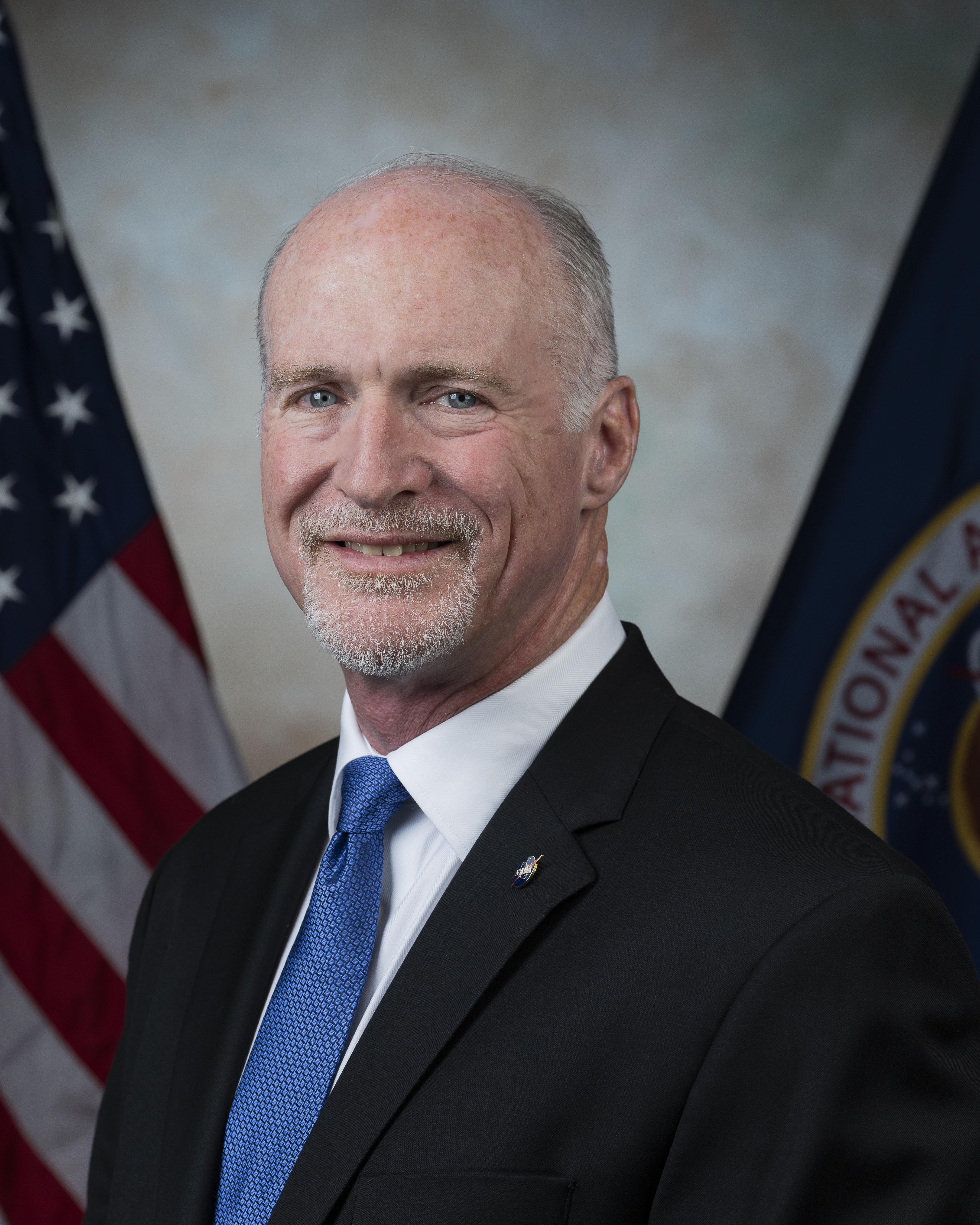
NASA Administrator Jared Isaacman has officially appointed Troy Asher as the director of the Armstrong Flight Research Center in Edwards, California. Asher assumes the permanent role after serving as acting director since March, succeeding Bradley Flick, who retired following nearly four decades of service to the agency. The appointment solidifies leadership at a facility that has served as a cornerstone of American aeronautics research for eight decades.
Asher’s career spans both military and civilian aviation sectors, providing him with extensive experience in flight operations and engineering. He joined NASA in 2008 as a research test pilot and aerospace engineer, eventually rising to lead Flight Operations at Armstrong. In this capacity, he managed the center’s pilots, engineers, maintainers, and specialized aircraft fleet, which supports aeronautics research and scientific missions globally.
Before his tenure at NASA, Asher completed a 24-year career in the U.S. Air Force, retiring with the rank of lieutenant colonel. His military service included significant leadership roles, such as commander of the 419th Flight Test Squadron and director of the Bomber Combined Test Force. He also served as an instructor at the U.S. Air Force Test Pilot School at Edwards Air Force Base. In 2003, Asher set 25 world speed records while flying the B-1B bomber, demonstrating his expertise in high-performance aircraft.
At NASA, Asher has been involved in diverse flight research projects. He conducted tests aboard various aircraft, including the F-15, F/A-18, Gulfstream III, and the X-56A unmanned aircraft system. Notably, he served as the lead test pilot for the development of the Stratospheric Observatory for Infrared Astronomy (SOFIA). He also flew scientific research missions on the agency’s DC-8 aircraft, supporting airborne science campaigns around the world.
The Armstrong Flight Research Center plays a critical role in NASA’s broader mission to advance aviation technology. As the agency’s Flight Test and Aircraft Operations Center of Excellence, it is tasked with rebuilding and expanding the X-plane portfolio. This effort aims to push the boundaries of high-speed flight and develop experimental aircraft that will shape the future of aviation. The center also supports airborne science missions and flight research across the agency.
Agency leaders have emphasized Asher’s unique qualifications for the role. Administrator Isaacman noted that Asher has spent his career pushing the boundaries of flight, both by piloting experimental aircraft and leading the teams behind these missions. Isaacman stated that Asher’s experience will be invaluable as Armstrong leads efforts to restore flight-test capabilities and fly higher, farther, and faster than in recent decades.
NASA Associate Administrator and Chief Engineer Amit Kshatriya highlighted the combination of technical excellence and operational judgment required for flight testing. He described Asher’s service as embodying the qualities necessary for successful missions, from his distinguished Air Force career to his leadership of challenging NASA research initiatives. Kshatriya indicated that Asher will help revolutionize how new technologies are developed, evaluated, and flown.
Under Asher’s direction, Armstrong will continue its long history of innovation. Established in 1946, the center has been involved in landmark achievements, from the first supersonic flight aboard the Bell X-1 to current work on quiet supersonic flight through the X-59 aircraft. The facility remains central to NASA’s efforts to strengthen aerospace research capabilities and support science, technology, and exploration missions.
Asher holds a bachelor’s degree in astronautical engineering from the U.S. Air Force Academy and a master’s degree in mechanical engineering from California State University, Fresno. His academic background complements his practical experience in flight testing and operations. As he takes on the permanent director role, Asher will oversee the workforce and operations at Armstrong, ensuring the center continues to provide critical support for NASA’s aeronautics and science objectives.
The transition marks a new chapter for the Armstrong Flight Research Center as it focuses on modernizing its fleet and research capabilities. With Asher at the helm, the agency aims to leverage his deep understanding of both aircraft and team dynamics to advance flight research. The center’s work will continue to influence the future of aviation, building on a legacy of pioneering flight tests and scientific discovery.
Sources behind this briefing
Go to the original reporting
- NASA↗NASA Names Troy Asher Armstrong Flight Research Center Director
