The short version
- A former nanny testified that Lindsay Clancy exhibited signs of severe mental distress but remained a caring parent before the deaths of her three children.
- The defense argues Clancy was incapacitated by undiagnosed bipolar disorder and postpartum psychosis, whereas prosecutors contend she acted intentionally.
- Diary entries read to the jury reveal Clancy’s struggles with anxiety, sleep deprivation, and feelings of disconnection from her family in the months leading up to the incident.
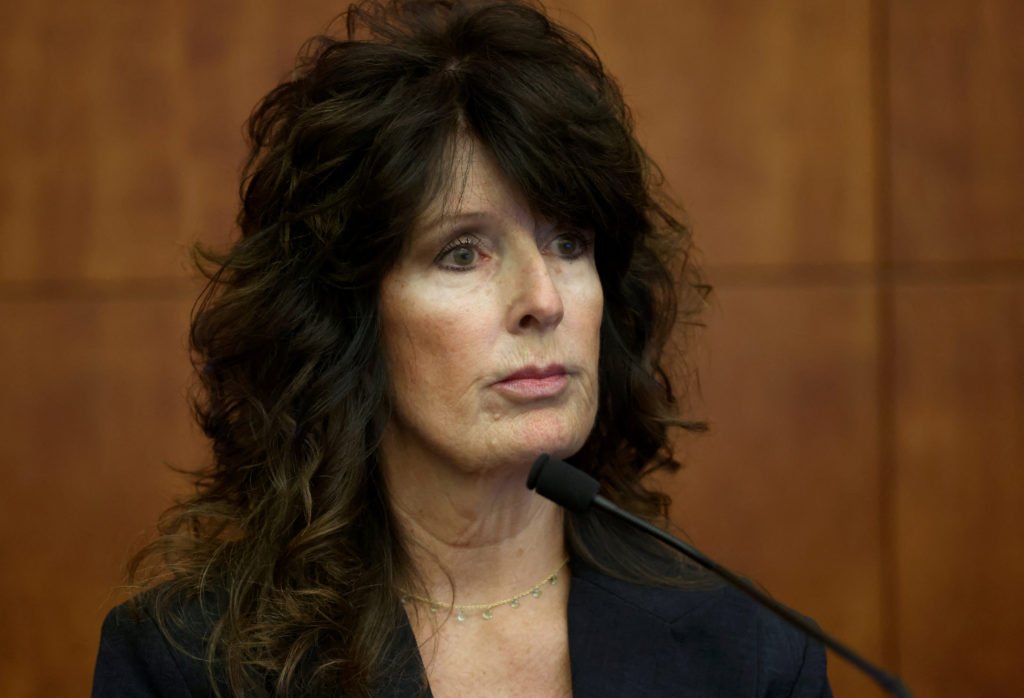
The trial of Lindsay Clancy entered a critical phase on Wednesday as Elaine Rossi, a former nanny for the Massachusetts family, took the stand to describe Clancy’s behavior in the months preceding the deaths of her three children. Rossi testified that she observed significant changes in Clancy’s physical and mental state, including substantial weight loss, insomnia, and complaints related to postpregnancy health issues. Despite these observations, Rossi stated she never perceived Clancy as a danger to herself or her children, characterizing her instead as a devoted mother who was deeply concerned with their safety and well-being.
Rossi was employed by the family from September 2022 until December of that year, a period beginning shortly after the birth of the youngest child, Callan. She described the household atmosphere during her tenure, noting that Clancy appeared overwhelmed but loving. The nanny recalled specific details about each child: Cora, then three years old, was described as artistic and feminine; Dawson, also three, was energetic and humorous; and infant Callan was sweet and happy. Rossi emphasized that Clancy remained attentive to their needs, contradicting any notion of neglect or malice during the time she worked for the family.
The defense team is leveraging this testimony to support its central argument that Clancy suffered from postpartum psychosis, a severe psychiatric condition that can distort reality and impair judgment. They contend that Clancy was a loving parent who became overmastered by mental illness rather than acting with criminal intent. Rossi corroborated aspects of this narrative by noting that she saw prescription medication bottles in the home and that Clancy had confided in her about struggling with postpartum symptoms and sleep disturbances. At one point, Clancy began sleeping in the basement, a detail Rossi shared to illustrate the depth of her exhaustion and distress.
In contrast, prosecutors maintain that Clancy acted intentionally on January 24, 2023, when she strangled her children, who ranged in age from eight months to five years. They argue that she should be held fully criminally responsible for their deaths. The legal battle hinges on whether the jury accepts the defense’s claim of mental incapacity or the prosecution’s assertion of deliberate action. If convicted of murder, Clancy faces a life sentence without the possibility of parole. Conversely, if found not guilty by reason of insanity or lack of criminal responsibility, she would be committed to a state mental health facility for treatment.
Both sides have introduced excerpts from Clancy’s personal diary into evidence, offering a window into her internal state during the final months before the tragedy. The entries reveal a woman grappling with intense anxiety, feelings of being overwhelmed by motherhood, and significant sleep deprivation. Clancy wrote about her difficulties in getting newborn Callan to sleep and her constant fears that he might be ill. She also expressed frustration regarding her inability to breastfeed and concerns about returning to work as a labor and delivery nurse, a career she had paused after the birth.
The diary entries further illustrate Clancy’s sense of disconnection from her family and her then-husband. In one undated entry, she described experiencing severe brain fog and an inability to plan for the future, living instead moment to moment in anticipation of nap times. Another entry from November 2022 captured her desperation for a mental break, noting that her mind was searching for physical ailments to explain her emotional turmoil. These writings have been used by both attorneys to paint different pictures: the defense highlights them as evidence of deteriorating mental health, while the prosecution may use them to show awareness and intent.
Medical testimony has also played a significant role in the proceedings. Officials from the state police crime lab testified that Clancy had multiple prescription medications in her system at the time of the killings, including antipsychotics, antidepressants, and benzodiazepines. Her legal team argues that she suffered from bipolar disorder that was not fully diagnosed until after the incident. They contend that some of the psychiatric medications she was taking may have exacerbated her condition, particularly given their potential adverse effects on patients with bipolar disorder.
The trial continues to unfold in Plymouth, with jurors having previously visited the home where the killings occurred. Clancy remains paralyzed from the waist down after jumping from a second-story window on the night of the incident. As the case moves forward, the jury must weigh conflicting narratives about Clancy’s mental state and intentions. The outcome will determine not only her legal fate but also shed light on the complex intersection of maternal mental health, medical treatment, and criminal responsibility.
Sources behind this briefing
Go to the original reporting
- PBS NewsHour↗Former Clancy nanny testifies about mother's mental health issues before killings

