The short version
- Kim Aris confirmed he spoke with his mother, Aung San Suu Kyi, ending a five-year period of enforced separation following the military coup.
- The contact coincides with a broader pattern of authorities relaxing detention restrictions and publishing images to prove the former leader is alive.
- Observers suggest these gestures are strategic attempts by the junta to improve its standing abroad while Min Aung Hlaing consolidates power as president.
A significant shift occurred in the isolation of Myanmar’s former democratic leader, Aung San Suu Kyi, when her son, Kim Aris, confirmed he had spoken with her for the first time in more than five years. The contact marks a departure from the strict seclusion imposed on the Nobel Peace Prize laureate since the military coup that ousted her government in February 2021. Aris shared the news via social media, expressing profound emotion at hearing his mother’s voice after such an extended period of silence.
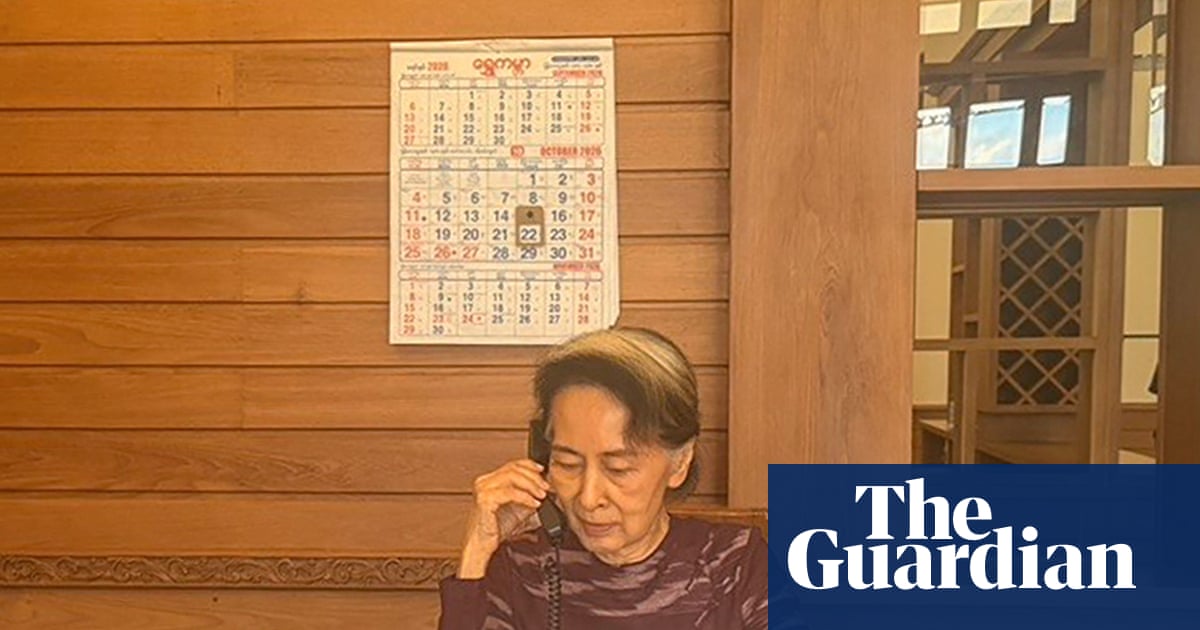
The former leader remains under house arrest in Naypyidaw, the capital city, where she has been held since the military takeover ended a decade-long experiment with civilian rule. While authorities have maintained tight control over her movements and communications, recent months have seen a noticeable change in how the regime manages her detention. Officials have increasingly allowed limited interactions and released photographs intended to demonstrate that she is alive and receiving care.
Aris, who resides in the United Kingdom, posted images appearing to show him standing outside the Myanmar embassy in London alongside his message. He acknowledged the support of those who have advocated for his mother’s well-being, suggesting that public pressure contributed to this momentary opening. However, he emphasized that a single conversation does not equate to regular family access or a resolution to her unjust detention.
The timing of this contact aligns with other recent developments regarding Suu Kyi’s status. Earlier this month, authorities announced that she received a package from King Charles III of the United Kingdom. The delivery included two books about soil science and a sealed diplomatic communication from the monarch. Buckingham Palace declined to comment on the specific contents of the royal message, leaving the nature of the diplomatic exchange unclear.
Prior to this latest development, officials stated that Suu Kyi was transferred from a prison facility in Naypyidaw to house arrest in April. In August, they published images showing her meeting with a representative from the Red Cross. These actions appear designed to address concerns from supporters and international observers who have demanded proof of life for the eighty-one-year-old former leader.
The military junta, led by Min Aung Hlaing, has ruled Myanmar for five years following the coup that dismantled the elected government. Earlier this year, Hlaing was installed as civilian president in an election widely described by analysts as a sham. The transition from military chief to head of state represents a consolidation of power under a different title, while maintaining the same authoritarian control.
Experts suggest that the loosening of restrictions on Suu Kyi may be a calculated move to court international legitimacy. By allowing limited contact and publicizing her condition, the regime may hope to soften its image abroad and reduce diplomatic pressure. This strategy contrasts with the harsh crackdowns on dissent and the ongoing conflict in various regions of the country.
Despite these gestures, the fundamental reality of Suu Kyi’s detention remains unchanged. She continues to be held without trial for charges that critics view as politically motivated. The brief communication with her son offers a small measure of relief to her family but does not alter the broader political landscape in Myanmar. The international community watches closely to see if these changes signal a genuine shift or merely a tactical adjustment by the junta.
The situation underscores the complex dynamics of power and perception in post-coup Myanmar. While the regime seeks to project stability and openness through controlled releases of information, the underlying tensions remain unresolved. For Suu Kyi’s supporters, the contact is a poignant moment but not a victory. The struggle for her freedom and for democratic governance in Myanmar continues amidst these carefully managed concessions.
Sources behind this briefing
Go to the original reporting
- The Guardian World↗Aung San Suu Kyi’s son speaks to detained former Myanmar leader for first time in five years

