The short version
- Elon Musk used his social media platform to aggressively criticize director Alex Gibney following the Venice premiere of a critical documentary about Musk's life.
- Musk denied allegations that he offered $40 million to former partner Ashley St Clair for silence and characterized the film as a psychological operation lacking integrity.
- Gibney attributed Musk's hostile reaction to childhood trauma, while Musk amplified posts suggesting the film was part of a broader political conspiracy involving Hollywood and Democratic donors.
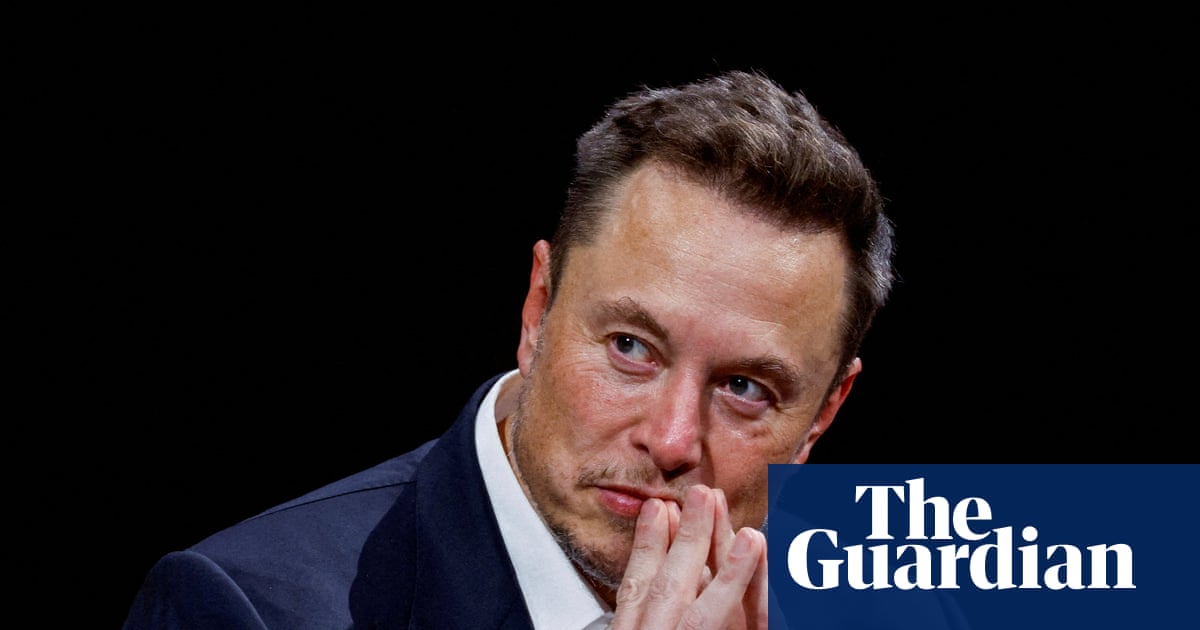
A significant conflict has erupted between Elon Musk and documentary filmmaker Alex Gibney following the Venice Film Festival premiere of a four-hour critical portrait of the tech billionaire. Musk, who acquired the social media platform X in 2022 for $44 billion, utilized the site to launch a sustained campaign against the director. He characterized Gibney as a bitter individual with no integrity and dismissed the film itself as an ineffective hit piece that fails due to its excessive length and boredom.
The documentary, which examines Musk’s life and influence, has drawn sharp contrasts in reception. Gibney, known for previous works on Enron, WikiLeaks, and Vladimir Putin, stated at a press conference that he views Musk as extremely dangerous. He noted a pervasive sense of fear among potential interviewees during the production process. In contrast, Musk framed the project as a fabricated narrative designed to mislead the public, asserting that the director assembled a roster of individuals with personal grievances rather than objective perspectives.
Central to Musk’s rebuttal was a denial of specific financial allegations made within the film. Ashley St Clair, a former partner and influencer, claimed in the documentary that Musk’s team offered her $40 million to sign a non-disclosure agreement regarding their relationship. Musk explicitly rejected this account on X, stating that no such offer was ever made. He further characterized St Clair as having a history of making false claims, thereby attempting to discredit the source of the allegation rather than addressing the substance of the claim directly.
Musk’s response extended beyond personal defense into broader political commentary. He amplified content suggesting that the documentary is part of a coordinated psychological operation. This included sharing an image depicting a hierarchical puppet chain involving the Democratic Party, billionaire George Soros, Alex Gibney, and Hollywood. By labeling this depiction as accurate, Musk aligned his criticism of the film with existing conspiracy narratives regarding media manipulation and political funding.
Supporters within Musk’s orbit have echoed these sentiments. Katie Miller, a podcaster and former communications director for Musk’s Department of Government Efficiency, criticized the film for excluding key allies and acquaintances. She argued that the absence of these figures renders the documentary fictional and biased. This perspective highlights a strategy of challenging the film’s credibility based on its omissions rather than solely disputing its factual assertions.
Gibney offered a psychological interpretation of Musk’s aggressive response during his press appearance in Venice. He suggested that Musk’s current behavior may be rooted in a difficult and traumatic childhood in South Africa. Gibney posited that the billionaire is projecting this unresolved trauma onto the wider public, framing the conflict as more than just a dispute over media representation but as a manifestation of deeper personal issues.
The incident underscores the broader influence Musk wields over public discourse through his ownership of X. His interventions extend beyond domestic US politics to international events, including recent elections in Germany and immigration debates in the UK. The amplification of conspiracy theories and the targeting of critical media figures illustrate how platform control can be leveraged to shape narratives around high-profile individuals.
As the documentary gains attention, the divide between Musk’s self-presentation and external critiques remains stark. While Musk frames the film as a boring, integrity-free attack driven by personal vendettas, Gibney presents it as an essential examination of a powerful figure whose actions have global repercussions. The ongoing exchange highlights the challenges of holding influential tech leaders accountable through traditional media channels in an era dominated by algorithmic amplification.
Future developments will likely depend on the film’s wider release and public reception. If the documentary gains significant viewership, it may force further responses from Musk and his allies. Conversely, if it remains niche, the conflict may fade into the background of Musk’s many public disputes. Regardless, the episode serves as a case study in how modern media conflicts are conducted on platforms owned by the subjects themselves.
The situation also raises questions about the role of social media in shaping historical narratives. With Musk controlling a major channel for public opinion, his ability to counter critical portrayals is unprecedented. This dynamic complicates efforts by journalists and filmmakers to provide balanced accounts of influential figures, as the subjects can directly engage with and attempt to discredit their critics in real time.
Sources behind this briefing
Go to the original reporting
- The Guardian US↗Elon Musk attacks film-maker behind documentary about him

