The short version
- Senator Lisa Murkowski announced she will vote against Todd Blanche's confirmation as attorney general, citing concerns about the potential revival of a fund to compensate January 6 rioters.
- Blanche previously secured committee approval by promising not to pursue the payout program and issued an order terminating the administration's anti-weaponization fund.
- The opposition narrows the margin for confirmation in a closely divided Senate, where Republican leadership has limited room for error due to Senator Mitch McConnell's absence.
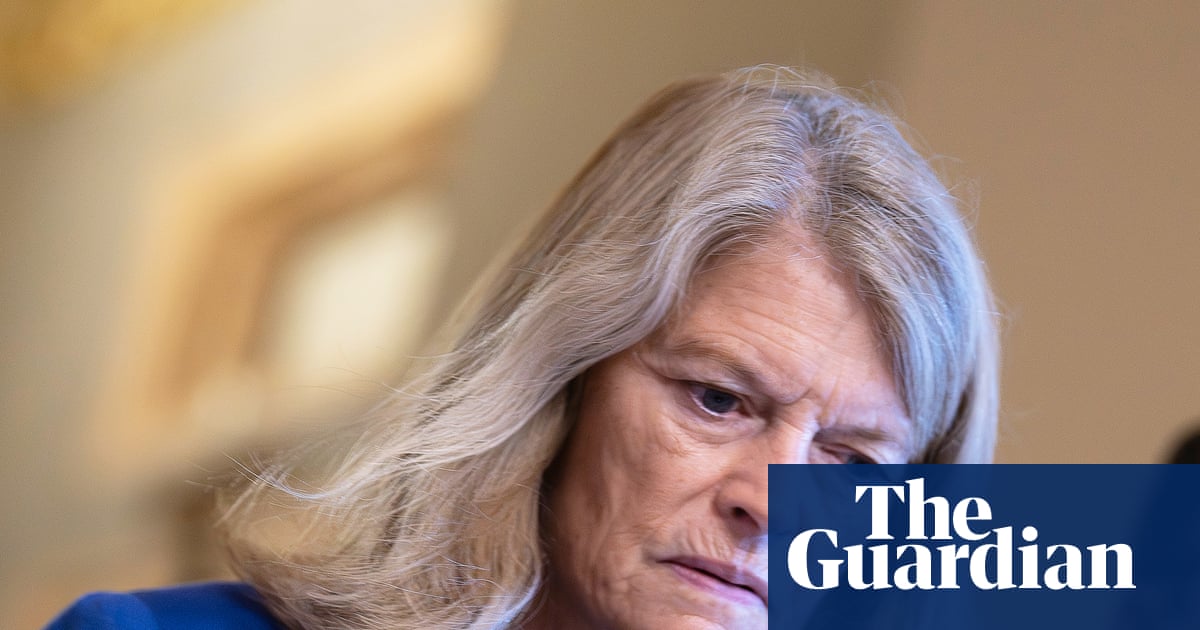
Senator Lisa Murkowski of Alaska announced on Friday that she will not support the nomination of Todd Blanche to serve as United States attorney general. The decision by the moderate Republican significantly tightens the path to confirmation for the president’s pick, who currently holds the position in an acting capacity. Murkowski’s stance introduces a critical obstacle in a Senate where Republicans hold a narrow majority and face constraints due to the health-related absence of Senator Mitch McConnell.
The central issue driving Murkowski’s opposition is the potential resurrection of a proposed fund designed to compensate individuals involved in the January 6 Capitol insurrection. Although Blanche has provided written confirmation that this specific initiative is no longer active, the senator expressed doubt that the administration would permanently abandon the effort. She indicated that her lack of confidence stems from the belief that the executive branch could easily reverse current decisions regarding the payout program.
Murkowski argued that the Senate retains leverage over the fund only because Blanche’s nomination remains pending confirmation. In a statement posted on social media, she emphasized the need for an attorney general capable of checking what she described as the worst impulses of the current administration. While she praised aspects of Blanche’s background, she concluded that she could not trust him to fulfill that role if confirmed.
Blanche had previously navigated a difficult path through the Senate Judiciary Committee, securing a 12-10 vote in his favor earlier in the week. That narrow victory was achieved after he made specific promises to Republican holdouts regarding the controversial payout fund. Senators Thom Tillis and John Cornyn, who had been blocking his nomination, were eventually swayed by Blanche’s assurances that he would not pursue the compensation program for political allies targeted by previous justice department actions.
In a move intended to solidify those assurances, Blanche issued a formal order late on Sunday terminating the administration’s $1.8 billion anti-weaponization fund. This slush fund had been designed to compensate individuals who claimed they were targeted by the justice department, including prosecutions related to the January 6 events. The termination followed weeks of negotiations with the senators who had initially opposed his elevation to the permanent role.
Despite these formal steps and written confirmations, Murkowski maintains her position that the threat of reinstating the fund remains a significant concern. She reiterated her stance on Tuesday and confirmed she would stick with it, highlighting the fragility of political promises in the current legislative environment. Her decision underscores the deep divisions within the Republican caucus regarding the direction of the justice department.
The confirmation battle now hinges on whether other Republican senators will follow Murkowski’s lead or remain loyal to the president’s nominee. With McConnell absent from sessions, the GOP majority has little room for error in maintaining control over key appointments. The situation illustrates the complex interplay between executive authority and legislative oversight in a polarized political landscape.
Experts note that while Blanche has taken steps to distance himself from the controversial fund, the underlying tensions regarding the justice department’s role in political matters remain unresolved. Murkowski’s opposition serves as a reminder of the challenges facing any nominee who must navigate competing demands from party leadership and moderate colleagues. The outcome of this vote will likely have lasting implications for the administration’s ability to implement its agenda.
As the Senate prepares for further deliberations, the focus remains on whether Blanche can secure enough votes to overcome Murkowski’s objection. The stakes are high not only for his personal career but also for the broader trajectory of the justice department under the current administration. The coming days will reveal whether the Republican majority can coalesce around a single candidate or if internal disagreements will prevent confirmation.
This development marks a significant moment in the ongoing struggle over the independence and direction of federal law enforcement. Murkowski’s decision highlights the growing influence of moderate voices within the party and the difficulties of maintaining unity on contentious issues. The resolution of this nomination battle will provide insight into the balance of power between the executive and legislative branches.
Sources behind this briefing
Go to the original reporting
- The Guardian US↗Murkowski won’t vote for Trump’s nomination of Blanche as attorney general

