The short version
- The MTA has launched an auction for its remaining sixty MetroCard vending machines, which will run through August 19.
- Buyers must handle the heavy logistics of removing non-operational units that weigh up to one thousand fifty pounds.
- While the physical cards remain accepted for now, officials have not set a firm date for ending their use entirely.
The Metropolitan Transportation Authority has initiated the sale of its final MetroCard vending machines, signaling a definitive step in the agency’s shift toward a fully contactless payment system. The auction, which opened on Wednesday and concludes on August 19, offers the public a chance to acquire these iconic transit fixtures before they are permanently removed from subway stations. This move represents more than just inventory management; it marks the physical dismantling of a decades-old infrastructure that defined the daily commute for millions of New Yorkers.
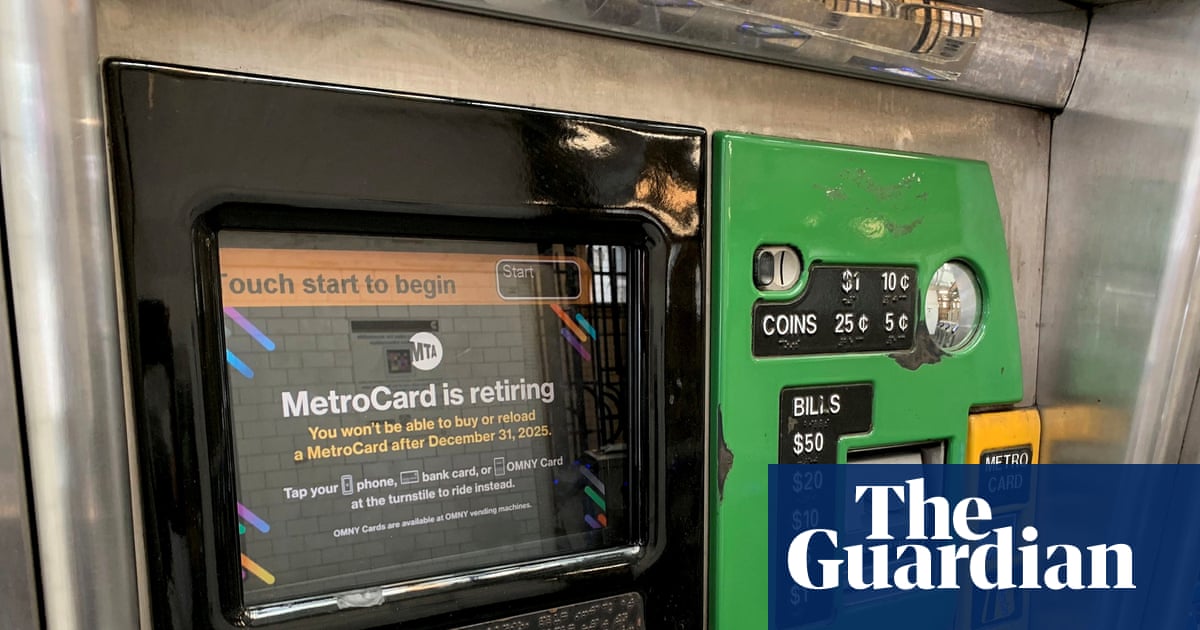
According to MTA media liaison Joana Flores, there are exactly sixty machines left in the system. These units include both the larger MetroCard Vending Machines and the smaller MetroCard Express Machines. The last publicly accessible unit is situated in Mulry Square within Greenwich Village. Rather than displaying instructions for fare purchase, this final machine now features a QR code that directs interested parties to the bidding platform. This digital pivot underscores how the agency is leveraging modern technology even as it retires legacy hardware.
The machines being sold are substantial pieces of industrial equipment. The standard vending units, first installed in 1999, measure eighty inches long, forty-two inches wide, and thirty-six inches deep. Each weighs approximately one thousand fifty pounds. The smaller express models, introduced later to reduce congestion at high-traffic stations by accepting only card payments, are more compact but still weigh around two hundred ten pounds. Prospective buyers must be prepared for significant logistical challenges, as the MTA requires winners to arrange their own pickup within ten days of notification.
All units are being sold in non-operational condition. The agency has removed all electronic components and payment processing hardware before listing them. This means the machines are essentially hollow metal shells, stripped of their functional capabilities. Buyers are expected to pay in full upon notification and handle the heavy lifting involved in transporting these dense objects. The MTA emphasized that the sale is strictly as-is, with no warranties or operational guarantees attached to the purchases.
To broaden participation beyond serious collectors, the MTA has paired the auction with a public sweepstakes. Fifteen winners will be selected through a random drawing to receive VIP early access to the agency’s annual transit memorabilia pop-up sale in October. These winners will also enjoy a twenty percent discount on their purchases at the event. This strategy aims to engage the wider community and ensure that even those who do not win the auction can still participate in preserving pieces of transit history.
If interest during the auction period proves insufficient, the MTA plans to sell any remaining machines at the October pop-up sale. Flores noted that such items typically attract strong demand and sell quickly. The MetroCard itself has become a cultural artifact over the years, featuring designs commemorating major events like the 2000 World Series between the Mets and Yankees. It also showcased artwork from famous musicians including David Bowie, Olivia Rodrigo, and LL Cool J, as well as imagery from popular television shows like Seinfeld and Law & Order.
Social media reactions to the auction have been mixed but generally enthusiastic. Some users have jokingly suggested the machines would make unique home decor, while others expressed genuine nostalgia for the era of physical fare cards. Peter Sagal, an NPR host who lived in New York until 1998, commented on his desire to own one despite no longer residing in the city. This sentiment reflects a broader attachment to the tangible aspects of urban transit that are disappearing in the digital age.
The auction occurs against the backdrop of the ongoing rollout of Omny, the MTA’s new contactless fare payment system. While the agency has stopped selling MetroCards, it continues to accept them for entry. Flores clarified that there is currently no set date for when the transit system will fully cease accepting the classic yellow cards. However, she affirmed that a complete transition to tap-and-ride technology is inevitable. The removal of these vending machines is a clear indicator that the end of the MetroCard era is approaching, even if the exact timeline remains uncertain.
This transition represents a significant shift in how New Yorkers interact with their transit system. The convenience of contactless payments offers speed and efficiency, but it also erases the physical touchpoints that many commuters have relied on for decades. As the MTA clears out its remaining inventory, it is not just updating technology; it is rewriting the visual landscape of the subway. The auction serves as a final opportunity for individuals to take home a piece of that history before it vanishes entirely from public view.
Sources behind this briefing
Go to the original reporting
- The Guardian US↗New York City transit auctions off last MetroCard machines: ‘wild home decor idea’

