The short version
- Thirty-year mortgage rates exceeded seven percent for the first time in twenty months following a Federal Reserve interest rate hike.
- Geopolitical tensions involving Iran and Israel have driven up energy costs and inflation, pushing Treasury yields to multi-decade highs.
- Economic frustration over housing affordability and stagnant wages is expected to influence voter sentiment in upcoming midterm elections.
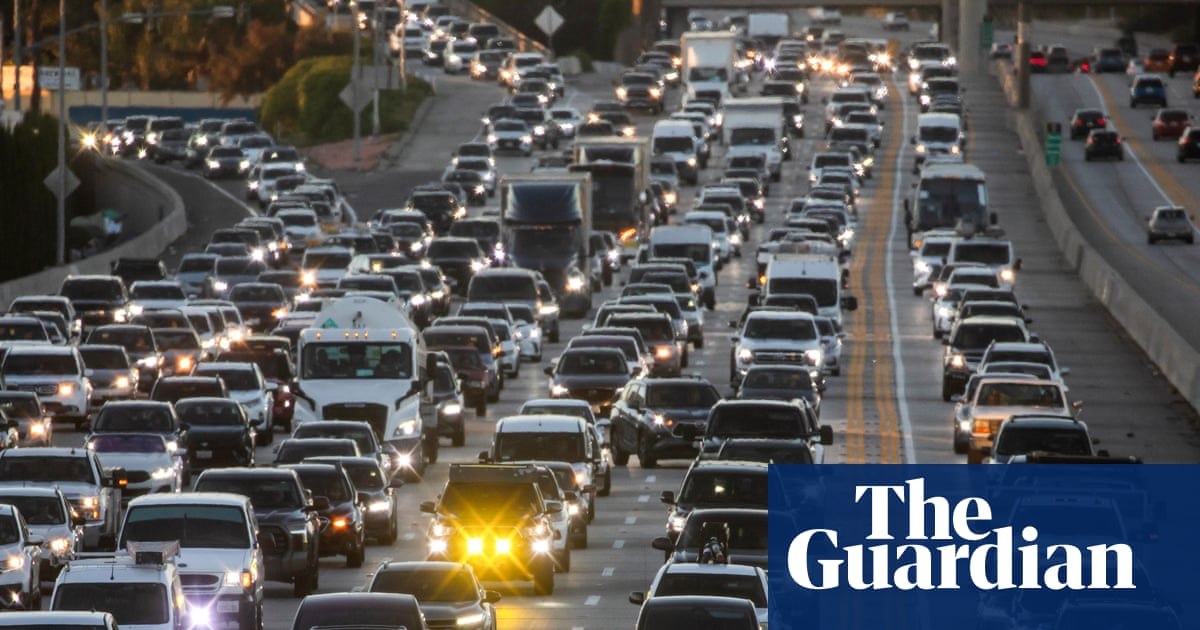
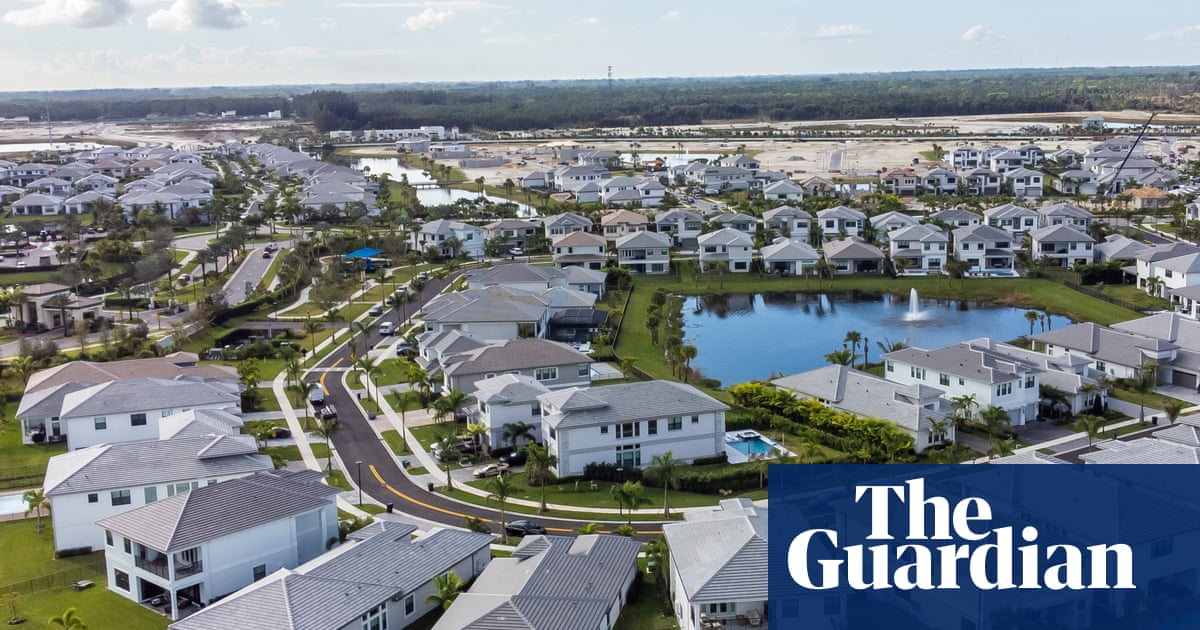
The cost of borrowing for home purchases has risen sharply, with thirty-year fixed mortgage rates climbing above the seven percent threshold for the first time since early last year. This development marks a significant shift in the housing finance landscape, reversing a downward trend that had begun after rates peaked at generational highs in late 2023. The increase places renewed pressure on prospective buyers who have already navigated years of elevated interest rates and limited inventory.
The surge in mortgage costs follows a decision by the Federal Reserve to raise its benchmark interest rate, marking the first such hike since 2023. The central bank cited persistent inflation as the primary driver for this monetary tightening. In September, the Fed increased rates by a quarter percentage point, moving the target range to between 3.75 percent and 4 percent. Market participants are now anticipating further tightening, with a majority of the rate-setting committee projecting at least one additional increase before the year concludes.
Underlying these financial adjustments is a complex web of geopolitical and economic factors. Rates began creeping upward in late February, coinciding with the launch of military operations between the United States, Israel, and Iran. This conflict has contributed to heightened inflationary pressures, reaching levels not seen in three years, while simultaneously driving energy prices higher. Brent crude oil recently surpassed $105 per barrel, reflecting the market’s reaction to supply disruptions and broader economic uncertainty.
Bond markets have reacted strongly to these developments, with the ten-year U.S. Treasury yield reaching its highest level since July 2007. This benchmark yield is a critical determinant for mortgage rates and other long-term borrowing costs. Similarly, the thirty-year Treasury yield has hit peaks not observed since 2004. Investors are adjusting their expectations in response to the likelihood of further Federal Reserve action, despite efforts by the Treasury Department to stabilize markets through increased debt buybacks.
The housing sector remains sluggish under these conditions. Existing home sales recorded their lowest point for the year in August, while pending sales have declined compared to the previous year. Economists note that the seven percent rate level carries significant psychological weight, arriving at a time when market leverage typically favors buyers. However, the combination of high rates and low supply continues to constrain activity, limiting opportunities for both first-time purchasers and those looking to upgrade.
Affordability challenges extend beyond interest rates alone. Many Americans are grappling with wages that have failed to keep pace with rising inflation, making everyday expenses increasingly difficult to manage. The cumulative effect of higher borrowing costs and stagnant income growth has eroded purchasing power, creating a difficult environment for household budgeting. These financial strains are particularly acute for middle-income families attempting to enter the housing market or refinance existing debt.
Political ramifications are emerging as economic dissatisfaction grows. Polling data indicates that nearly three-quarters of Americans disapprove of the current administration’s handling of the economy, with a significant majority viewing economic conditions as a critical factor in their voting decisions. This discontent is expected to play a prominent role in the upcoming midterm elections, where Republicans face challenges in maintaining congressional control. The intersection of housing costs, inflation, and wage stagnation has become a central issue for voters.
Looking ahead, the trajectory of mortgage rates will depend on several variables, including the duration of geopolitical conflicts, the effectiveness of monetary policy in curbing inflation, and the stability of energy markets. If Treasury yields continue to rise, borrowing costs may remain elevated or increase further, prolonging the slowdown in housing activity. Conversely, any de-escalation in international tensions or signs of cooling inflation could provide some relief to borrowers, though market expectations currently point toward continued pressure on rates.
Sources behind this briefing
Go to the original reporting
- The Guardian US Politics↗US mortgage rates top 7% for first time in 20 months