The short version
- Monty Don disclosed that the BBC contributed to the wages of two full-time gardeners at Longmeadow to ensure the site remained camera-ready for filming.
- With his departure from Gardeners’ World, this financial support will cease, forcing Don to consider revenue-generating strategies or staff reductions by next year.
- Don plans to continue working with the BBC on new projects, including a travel series, while maintaining Longmeadow as a private residence rather than opening it to the public.
Monty Don has indicated that he may need to dismiss the two full-time gardeners who have maintained his Herefordshire property, Longmeadow, following his departure from the BBC’s flagship gardening program. The broadcaster revealed this potential staffing change during an appearance at the RHS Malvern autumn flower show, marking his first public comments since announcing his exit from Gardeners’ World earlier this month. For fifteen years, viewers have watched Don host the series from his own backyard, a setting that has become iconic in British television. However, the financial structure supporting that visual presentation is tied directly to his employment contract with the corporation.
Don explained that since he began filming at Longmeadow in 2011, his BBC agreement has mandated the presence of two full-time gardeners. This requirement exists because the landscape must remain visually pristine and ready for cameras at all times, regardless of Don’s location. He noted that when he travels to film segments abroad, such as in India or along the Rhine, staff members must prepare the garden for his return. The broadcaster clarified that while the BBC does not cover the full cost of these employees, it provides a significant contribution toward their wages. This subsidy is set to disappear once his tenure on the show concludes.
The current team consists of a propagation expert and a landscaper, both of whom have worked with Don for a decade. He described them as an effective unit that collaborates well with him. Without the corporate financial support, Don stated he cannot afford to retain both positions indefinitely. He emphasized that he must devise methods to generate income from the garden itself to sustain the staff, but such initiatives will not be feasible until at least the middle of next year. This delay creates a window of uncertainty regarding the immediate future of the landscaping team.
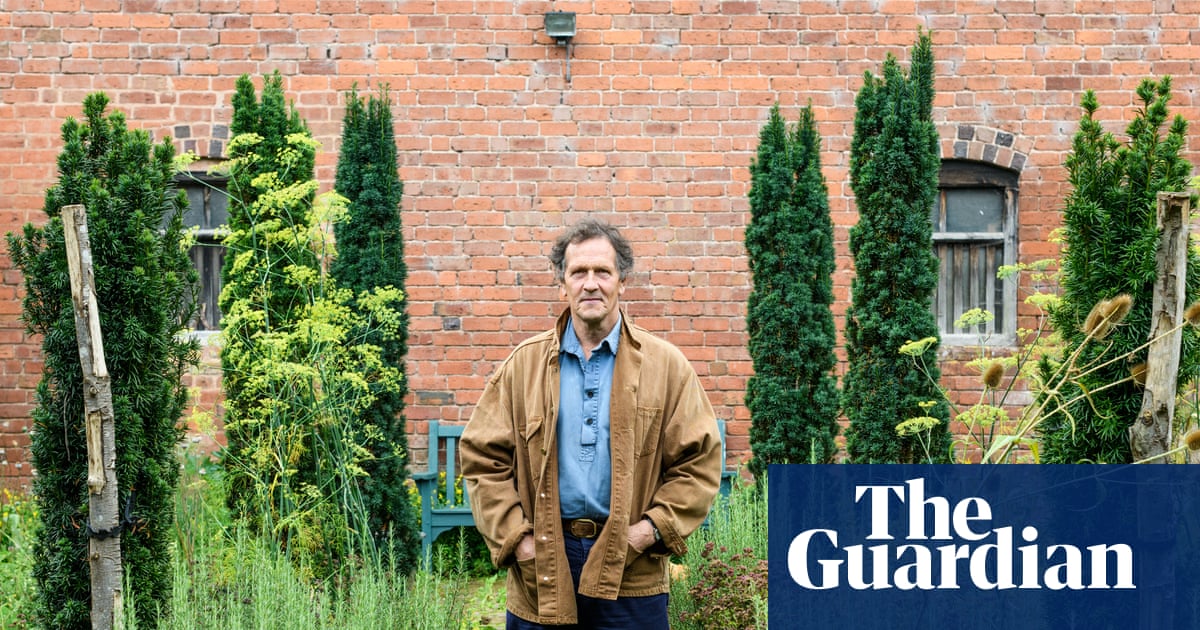
Longmeadow has undergone a dramatic transformation since Don and his wife, Sarah, acquired the property in 1991. Originally a neglected field containing only a single hazel tree, the two-acre site is now divided into four distinct areas. These include a cottage garden featuring shrub roses, a jewel garden known for its vibrant multicolored blooms, an Islamic-inspired paradise garden, and a productive vegetable plot that yields produce year-round. The aesthetic appeal of these spaces has been central to the show’s success, but maintaining them requires consistent labor and resources that are no longer guaranteed by his television contract.
Don ruled out opening Longmeadow to the public as a means of generating revenue. He cited the private nature of the space and logistical challenges related to parking in the surrounding village of Ivington as primary reasons for keeping the gates closed. This decision limits his options for immediate monetization, reinforcing the likelihood that staffing adjustments will be necessary. The presenter has not specified exactly how he intends to earn money from the garden, only that he is actively considering strategies to make the property financially viable without external subsidies.
The broadcaster’s departure from Gardeners’ World follows twenty-three years at the helm of the program. Don described his decision to leave as a natural progression, stating it was simply the right time for a change. He will not be leaving the BBC entirely, however. Reports indicate he is preparing to film a new travel series titled Island Gardens for the corporation. Additionally, he plans to pursue independent projects, including writing books. The final series hosted by Don will continue to air from Longmeadow until later this year, preserving the familiar setting for audiences during the transition period.
The situation highlights the often-overlooked financial mechanics behind television production sets that are also private residences. While viewers perceive Longmeadow as a personal sanctuary, it has functioned as a professional studio requiring specific maintenance standards funded partly by the broadcaster. As Don moves into a new phase of his career, the separation between his public persona and private livelihood becomes more distinct. The loss of BBC funding for garden maintenance represents a tangible shift in how he will manage his property, moving from a subsidized production environment to a self-funded domestic space.
Uncertainty remains regarding the exact timeline for any staff changes. Don has not confirmed whether he will reduce the team size immediately or wait until new revenue streams are established. The gap between his final episodes and the potential implementation of financial strategies leaves the current gardeners in a precarious position. As the broadcasting industry evolves, cases like Don’s illustrate the complex dependencies between talent, production requirements, and personal assets. The coming months will reveal how successfully he can adapt Longmeadow to a post-television subsidy model while maintaining its renowned aesthetic.
The broader implications of this transition extend beyond the immediate staffing concerns. Longmeadow has become a cultural touchstone for gardening enthusiasts, symbolizing idealized horticultural achievement. Its future management style may influence public perception of sustainable garden maintenance without institutional support. Don’s upcoming projects will likely shift focus away from the static beauty of his home garden toward broader explorations of landscape and culture. This pivot marks the end of an era for Gardeners’ World, where the presenter’s personal life and professional output were inextricably linked through the physical space of Longmeadow.
As the final episodes air, attention will turn to how the show transitions under new leadership or format changes. Don’s legacy is deeply embedded in the visual identity of the program, making his departure a significant moment for the BBC and its audience. The financial realities he faces underscore the hidden costs of maintaining broadcast-ready environments. Whether through new income streams or scaled-back maintenance, Longmeadow will inevitably change. For now, the garden remains a testament to two decades of careful cultivation, supported by a partnership between a broadcaster and a corporation that is now coming to an end.
Sources behind this briefing
Go to the original reporting
- The Guardian World↗Monty Don says he may have to let go of his gardeners after leaving BBC

