The short version
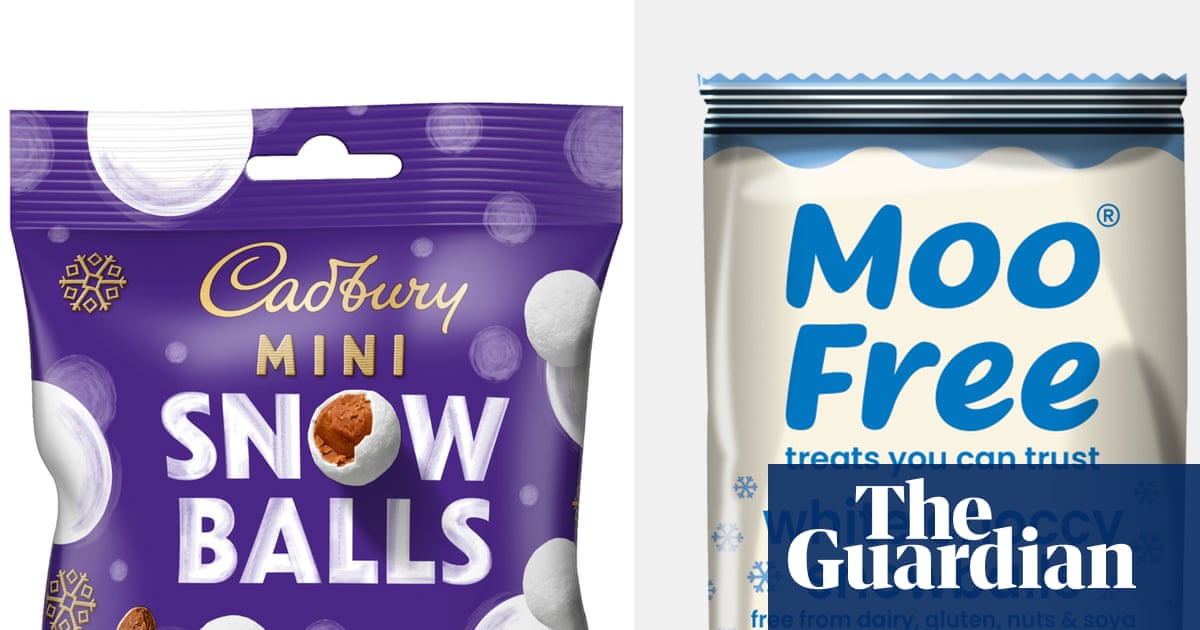
- Mondelēz International has demanded that Moo Free remove its White Choccy Snowballs from shelves, citing trademark infringement of the Cadbury brand name.
- The dispute coincides with separate legal action against Catherine’s Originals for allegedly copying the distinctive triangular shape of Toblerone bars.
- Both smaller companies have rejected the claims, arguing that generic terms and common shapes should not be monopolized by large corporations.
A significant intellectual property dispute has emerged in the British confectionery market as Mondelēz International, the parent company of Cadbury and Toblerone, has issued formal legal demands to two smaller vegan chocolate brands. The actions target Moo Free and Catherine’s Originals, accusing them of infringing on established trademarks through their product naming and physical design. This escalation occurs just days before the critical Christmas retail period, raising questions about the boundaries of trademark protection for generic terms and common geometric shapes in the food industry.
The conflict with Moo Free centers on the use of the word snowball. Mondelēz has sent a legal letter demanding that the Devon-based company remove its White Choccy Snowballs from sale immediately. These products consist of gluten-free, biscuit-flavored rice balls coated in dairy-free white chocolate. Mondelēz asserts that this usage violates its registered trademark for the terms snowball and snowballs in relation to chocolate confectionery, which was secured in 2001. The Cadbury brand has sold Snow Balls in the United Kingdom since 1966, transitioning to Mini Snow Balls in packs in 2023.
Moo Free’s founders have expressed surprise at the severity of Mondelēz’s approach. Mike Jessop, who co-founded the company in 2010 to provide allergen-free options for holidays, stated that he was unaware of Cadbury Snow Balls prior to receiving the letter. He noted his own lactose intolerance prevented him from trying the original product and questioned the validity of trademarking what he considers a generic descriptive term. Jessop characterized the legal demand as heavy-handed, distinguishing his brand’s use of the word from specific branded shapes like Cadbury’s Freddo frog bar.
In response to the allegations, Moo Free issued a statement to its customers affirming that it takes intellectual property concerns seriously but does not accept that infringement has occurred. The company indicated it has responded to Mondelēz accordingly and expressed disappointment at the situation. Notably, Moo Free stated it stands in solidarity with Catherine’s Originals, another small brand facing similar legal pressure from Mondelēz regarding product design rather than naming conventions.
The parallel case involves Catherine’s Originals, which Mondelēz has sued for allegedly copying the famous chunky triangular shape of Toblerone bars. The smaller brand sells a product called O’bar, which shares visual similarities with the Swiss chocolate bar owned by Mondelēz. This simultaneous legal pressure on two different small businesses suggests a broader strategy by the multinational corporation to enforce its intellectual property rights aggressively across multiple categories of confectionery.
Mondelēz has attempted to frame the situation as a matter of brand protection rather than litigation. A spokesperson stated that no formal legal action had been taken against Moo Free, but the company contacted them to make them aware of the trademark. The spokesperson emphasized that Cadbury Snow Balls are among the most popular Christmas products in the UK and expressed openness to an amicable resolution. However, the demand for immediate removal from shelves just before the holiday season creates significant commercial pressure on the smaller competitor.
The legal landscape for confectionery trademarks in the UK includes precedents regarding product classification and taxation that may inform these disputes. In 2014, manufacturers of Tunnock’s Teacakes and Lees of Scotland won a case against HM Revenue and Customs, proving their coconut-covered treats were similar enough to cake to qualify for VAT exemption. This ruling subsequently granted snowballs made by these suppliers, defined as marshmallow domes coated in chocolate or sugar strands, their own tax-free status. While this precedent relates to taxation rather than trademark law, it highlights the complex definitions surrounding confectionery products.
The outcome of these disputes could have wider implications for small food producers seeking to compete with established brands. If generic terms like snowball or common shapes are deemed protectable under current interpretations, smaller companies may face higher barriers to entry and increased legal costs. Conversely, if the courts rule in favor of Moo Free and Catherine’s Originals, it would reinforce protections against trademark bullying for descriptive language and functional designs. Both small brands have indicated they intend to contest the claims, setting the stage for a potential legal battle that extends beyond the immediate holiday season.
As the Christmas shopping period begins, consumers may notice changes in product availability or marketing messaging from these companies. The situation underscores the tension between large corporations seeking to protect brand equity and smaller innovators relying on descriptive naming and common forms. Until a resolution is reached, the dispute remains a notable example of how intellectual property law intersects with everyday consumer goods in a highly competitive market.
Sources behind this briefing
Go to the original reporting
- The Guardian World↗Snowball fight: Cadbury owner in trademark row over festive chocolate treat


