The short version
- David Crowley defeated democratic socialist Francesca Hong by fewer than four thousand votes to win the Democratic nomination for Wisconsin governor.
- The result follows a turbulent primary season marked by candidate withdrawals, late endorsements from outgoing Governor Tony Evers, and shifting polling data.
- Crowley aims to unify the party base to challenge Republican Tom Tiffany in November, while Hong vows to continue advancing progressive policy goals.
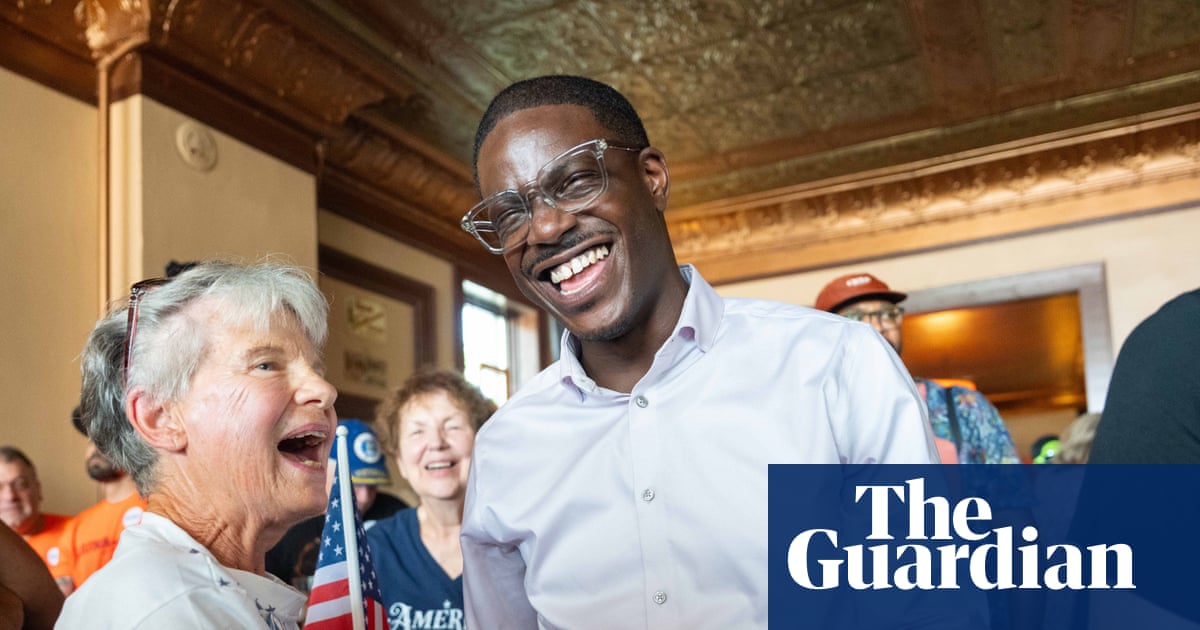
David Crowley has secured the Democratic nomination for governor of Wisconsin, narrowly defeating democratic socialist Francesca Hong in a tightly contested primary that concluded with most votes counted. The Milwaukee county executive captured approximately 39.8 percent of the vote, edging out Hong’s 39.4 percent share. This margin represents a lead of just over three thousand ballots, a difference so slight that it triggered immediate speculation about recounts before Hong conceded the race. Her concession removed the possibility of a formal recount request, as the margin exceeded the threshold requiring state funding for such a process.
The outcome defied earlier polling trends that had positioned Hong as the clear frontrunner throughout much of the campaign cycle. Analysts noted that large segments of the electorate remained undecided late into the race, complicating predictive models. Similar dynamics were observed in neighboring Michigan, where progressive candidate Abdul El-Sayed won a Senate primary despite polls showing a wider lead than his actual victory margin. The Wisconsin result suggests that while progressive candidates can generate significant enthusiasm, translating that energy into decisive electoral victories in purple states remains challenging.
Crowley’s path to the nomination was marked by dramatic shifts in the field. He initially withdrew from the race in early July but re-entered ten days later after securing a crucial endorsement from outgoing Governor Tony Evers. Evers, who chose not to seek re-election, described Crowley as representing the future of the party and emphasized the need for unity ahead of the general election. Crowley’s return coincided with the exit of other contenders, including Sara Rodriguez, who dropped out amid campaign finance irregularities, and Mandela Barnes, who withdrew in late July.
Hong, a former restaurant owner from Madison, campaigned on a platform distinct from traditional Democratic offerings. Her proposals included universal childcare, free school meals, and a one-year moratorium on new data center construction. However, her candidacy faced headwinds due to past statements that drew criticism, including previous support for defunding police departments and a retracted tweet calling for the cancellation of Thanksgiving. These elements became focal points in the final weeks of the race, with Crowley positioning himself as the more electable option against Republican nominee Tom Tiffany.
Tiffany, a Republican congressman from northern Wisconsin, ran unopposed in his primary and has drawn national attention for his role in opposing the certification of the 2020 presidential election results. He is an ardent supporter of former President Donald Trump. Crowley argued that his executive experience and moderate stance made him better equipped to defeat Tiffany and prevent what he characterized as MAGA extremism from taking hold in state government. He emphasized shared goals such as safe communities, strong schools, and affordable healthcare, urging voters who supported Hong to join him in the general election.
The primary results offer mixed signals for the Democratic Party’s progressive wing. While Hong’s near-victory demonstrates substantial support for left-leaning policies among Wisconsin Democrats, her loss highlights concerns within party leadership about the viability of such candidates in competitive statewide races. National progressive leaders, including Senator Bernie Sanders and Representative Alexandria Ocasio-Cortez, did not endorse any candidate in this contest, reflecting internal divisions over strategy and messaging. Meanwhile, recent wins by democratic socialists in New York City primaries have energized that faction, even as they face skepticism from more moderate party officials.
Looking ahead, Democrats in Wisconsin are aiming for a governing trifecta by retaining the governorship and flipping both chambers of the state legislature. Achieving this would give them full control of state government for the first time since 2010, allowing them to enact a comprehensive agenda. The race is expected to attract significant financial resources and national attention given Wisconsin’s status as a battleground state that frequently swings between parties depending on the candidates and issues at stake.
Hong has pledged to leverage her grassroots network to support whoever wins the nomination, stating that the work done during the primary will have lasting impacts on the progressive movement. Her campaign manager expressed pride in the race they ran, noting that their team maintained integrity throughout the process. Crowley, meanwhile, is preparing for a unity event to bring together supporters from across the party spectrum as he shifts focus to the November general election.
Sources behind this briefing
Go to the original reporting
- The Guardian US Politics↗David Crowley wins Democratic primary for Wisconsin’s governor in upset over progressive Francesca Hong
- PBS NewsHour↗David Crowley wins Democratic primary for Wisconsin governor over Francesca Hong