The short version
- Federal and state courts have issued contradictory rulings regarding which congressional maps Missouri must use for the upcoming midterm elections.
- The Supreme Court declined to intervene in the dispute, leaving a federal injunction against using old maps in place while a new map awaits voter approval.
- Political leaders express deep frustration with the legal chaos, describing the situation as a constitutional crisis less than two months before voting begins.
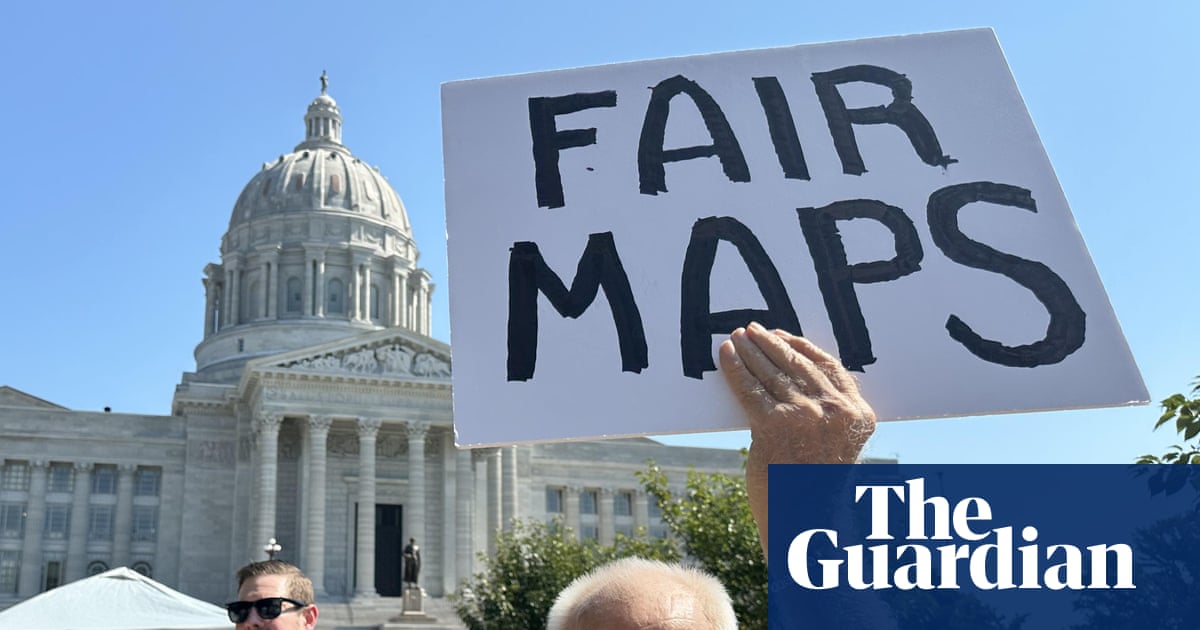
The legal framework governing Missouri’s congressional elections has collapsed into disarray following a series of rapid and conflicting judicial decisions. With the midterm elections approaching in November, state officials find themselves without a clear path forward after a federal judge temporarily barred the use of existing district maps. This injunction arrived just hours after the United States Supreme Court declined to enforce a newly drawn map that had been designed to advantage Republican candidates.
The immediate trigger for this chaos was a unanimous ruling by the Missouri Supreme Court last week. The state’s highest court determined that any new congressional boundaries must be submitted to voters for approval before they can take effect. Because this referendum process cannot be completed in time for the November election, the new map is effectively unusable for the upcoming midterms. This decision directly contradicts the efforts of state Republican leaders who had pushed for the implementation of the revised districts.
In response to the state supreme court’s ruling, Missouri Attorney General Catherine Hanaway launched an emergency appeal to the federal level. She argued that the requirement for voter approval created a constitutional crisis and threatened the integrity of the election process. However, Justice Brett Kavanaugh denied the request for emergency relief on Tuesday. By refusing to block the lower court’s decision or enforce the new map, the Supreme Court left the federal injunction against using the old maps in place.
The current legal standoff means that neither the old maps nor the new maps can be legally used for the November election under present orders. The federal judge’s temporary prevention of the old maps’ use creates a vacuum where no valid district lines exist for congressional races. This situation places election administrators, candidates, and voters in a precarious position with less than two months remaining before ballots are cast.
The controversy centers on significant changes to Missouri’s fifth congressional district. The revised map, which was utilized during the August primary elections, targeted the seat held by Democratic Representative Emanuel Cleaver. The new boundaries reassigned portions of Kansas City to neighboring districts represented by Republicans. The remainder of Cleaver’s district was extended eastward into rural areas that historically lean Republican.
These redistricting efforts were part of a broader national strategy supported by President Donald Trump and Republican leaders. Missouri was the second state to act on this push to redraw maps in favor of the GOP ahead of the midterms. Governor Mike Kehoe called a special legislative session last year specifically to create these new boundaries. The goal was to secure a partisan advantage in the upcoming congressional elections.
The political fallout from the judicial decisions has been intense. President Trump criticized the state supreme court’s ruling, labeling it horrible and unconstitutional. Republican officials have expressed fury over what they view as an obstruction of their legislative efforts. The attorney general’s characterization of the situation as a full-fledged constitutional crisis highlights the severity with which party leaders view the legal obstacles.
Despite the primary elections having already taken place using the new map, the validity of those results and the subsequent general election matchups remain uncertain. State Senator Rick Brattin won the Republican primary in the reshaped fifth district, while Representative Cleaver faced no opposition in the Democratic primary. However, with no legal map for November, it is unclear how these candidates will proceed or if special elections or other mechanisms will be required.
The coming weeks will likely see continued litigation as both sides attempt to resolve the impasse. The federal injunction against the old maps remains in effect, but there is no approved alternative. Election officials must navigate this legal ambiguity while preparing for one of the most significant electoral events of the year. The outcome of this dispute could set a precedent for how redistricting challenges are handled in other states facing similar political pressures.
This case illustrates the increasing intersection of partisan politics and judicial oversight in American elections. As courts become battlegrounds for map design, the stability of electoral processes is called into question. Missouri’s situation serves as a stark example of how legal maneuvers can disrupt democratic norms when political actors seek to gain advantage through boundary changes rather than policy debates.
Sources behind this briefing
Go to the original reporting
- The Guardian US Politics↗Missouri congressional maps thrown into chaos after conflicting court rulings