The short version
- Scott Colom leads Cindy Hyde-Smith by fewer than two thousand votes as final ballot counts continue in Mississippi.
- Republican officials are demanding the segregation of affidavit ballots, a move Democratic lawyers argue violates state law and voter privacy.
- Mississippi lacks automatic recount provisions, meaning any post-election review would require specific court orders on a county-by-county basis.
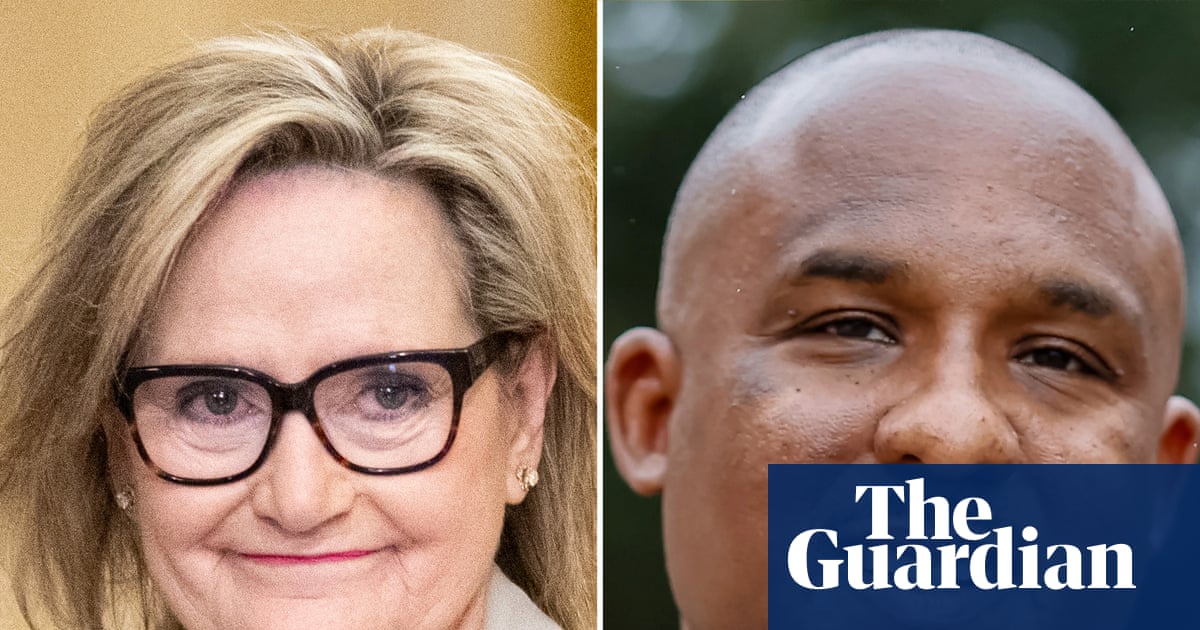
The outcome of the United States Senate race in Mississippi remains unresolved as election officials continue to process remaining ballots. Democrat Scott Colom currently holds a lead of just under two thousand votes over Republican incumbent Cindy Hyde-Smith. This narrow margin has intensified scrutiny on the counting procedures, with both campaigns deploying legal teams and volunteers across all eighty-two counties in the state. The result carries significant national implications; a loss for Republicans in this deeply conservative state would cap off a midterm election cycle where Democrats unexpectedly secured victories in Texas and South Carolina.
Tensions have escalated through formal legal correspondence between opposing parties regarding how specific types of ballots should be handled. On Thursday, the National Republican Senatorial Committee issued directives to county election commissioners and circuit clerks, demanding that all affidavit ballots cast during the general election be separated and preserved. Affidavit ballots are used by voters who lack required photo identification on election day. These individuals have until November 10 to present valid identification or sign a religious objection affidavit at their local clerk’s office. This deadline also marks the final day for mail-in ballots to arrive and be included in the official count.
Colom’s legal team responded swiftly, characterizing the Republican demands as baseless under Mississippi law. In a letter sent to election officials, Colom’s counsel warned that segregating affidavit ballots from other paper ballots would violate statutory requirements and compromise the fundamental right to a secret ballot. The Democratic attorneys emphasized that election commissioners must adhere to ordinary procedures and avoid any actions that could allow individual ballots to be traced back to specific voters. They described the Republican request as an attempt to disrupt lawful processes rather than ensure accuracy.
Civil rights organizations have also entered the fray, urging strict adherence to existing statutes. The NAACP sent its own communication to county commissions, calling for transparency and protection against intimidation during the certification process. Derrick Johnson, the organization’s president and CEO, stated that every voter deserves to have their ballot counted according to the law. Local groups like One Voice echoed these sentiments, highlighting concerns about administrative failures that may have disenfranchised eligible voters who followed proper protocols but were still turned away or moved to affidavit status.
The procedural landscape in Mississippi complicates any potential post-election challenges. Unlike many other states, Mississippi does not have an automatic recount law triggered by a narrow margin of victory. A recount can only occur if a court orders it following a lawsuit filed against a county or its election commission by a political party or campaign. Furthermore, state law does not provide a mechanism for statewide ballot challenges, meaning any legal disputes would need to be litigated individually in each county where irregularities are alleged.
Republican officials maintain that the remaining uncounted ballots could shift the outcome significantly. Mike Hurst, chair of the Mississippi Republican Party and general counsel for the Republican National Committee, addressed reporters outside the Hinds County courthouse in Jackson. He estimated that approximately twenty thousand ballots remain to be processed. While analysts suggest these votes might further extend Colom’s lead given demographic trends, Hurst argued that a substantial portion originates from precincts and counties with strong Republican leanings. His comments reflect the campaign’s strategy to highlight uncertainty in the final tally.
Colom’s campaign manager, Gerard Henderson, dismissed the Republican efforts as desperate stunts designed to cast doubt on the results. He expressed confidence that once all lawful ballots are counted, Colom will be certified as the next U.S. senator from Mississippi. The presence of hundreds of volunteers and lawyers from both sides underscores the high stakes involved. National voting groups have joined local organizations in monitoring the final rounds of counting, ensuring that procedures align with state regulations.
As the November 10 deadline approaches, the focus remains on whether election officials will follow standard protocols or deviate based on external pressures. The clash over affidavit ballots highlights broader concerns about election integrity and access. If no legal intervention occurs, the current count stands as the final result. However, given the razor-thin margin and the absence of automatic recounts, the possibility of protracted litigation remains a tangible risk for both campaigns.
The situation in Mississippi serves as a microcosm of the broader national election environment, where procedural disputes often accompany close races. The involvement of national committees and civil rights groups indicates that the outcome will likely be scrutinized well beyond state borders. For now, voters and officials alike await the final certification, with the understanding that the next few days could determine the balance of power in the Senate.
Observers note that the intensity of the legal maneuvering reflects the broader political realignment suggested by recent midterm results. If Colom secures victory, it would represent a historic shift in Mississippi politics. Conversely, if Hyde-Smith retains her seat, it would signal resilience for Republican incumbents even in an unfavorable national climate. The coming days will reveal whether administrative processes can withstand the pressure of competing legal interpretations.
Sources behind this briefing
Go to the original reporting
- The Guardian World↗Lawyers descend on Mississippi as vote counting continues in razor-thin Senate race


