The short version
- The race between Scott Colom and Cindy Hyde-Smith remains too close to call as local officials process absentee and provisional ballots across Mississippi's counties.
- A victory for Colom would mark a historic shift in a state where white conservatives have dominated top political offices for nearly a century and a half.
- Neither candidate has conceded, with Hyde-Smith maintaining her campaign is ongoing while Colom urges patience with the legal certification process.
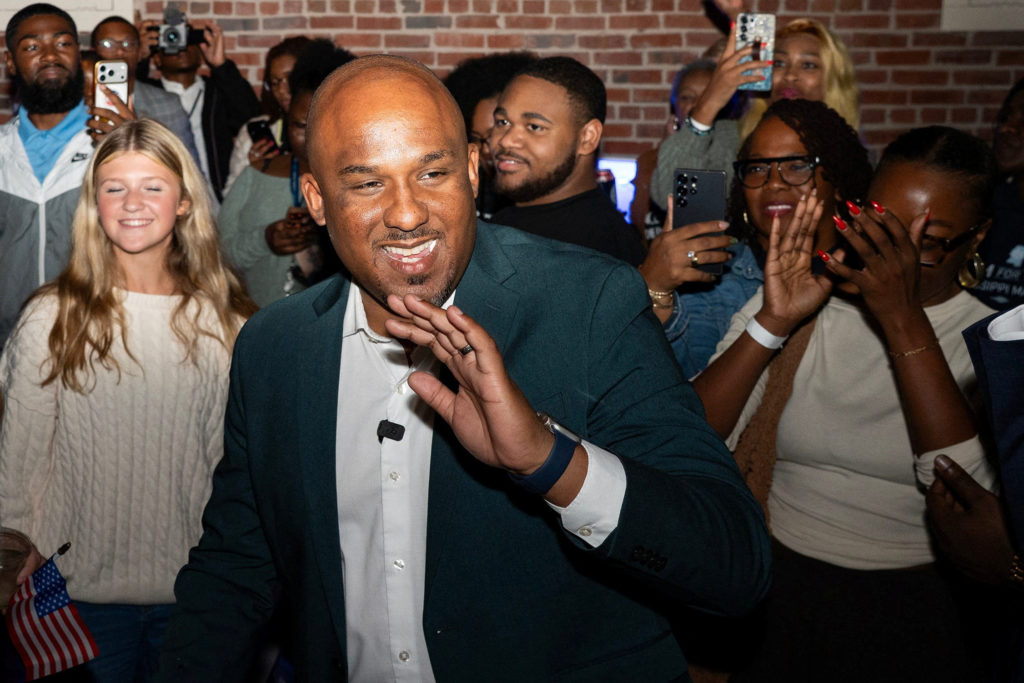
The outcome of Mississippi's U.S. Senate race remains undecided as election officials continue to process outstanding ballots across the state's eighty-two counties. Democrat Scott Colom and Republican incumbent Cindy Hyde-Smith are engaged in a tight contest that has drawn significant attention for its potential historical significance rather than its impact on national power dynamics. With Democrats already securing control of the Senate, the result in Mississippi will not shift the balance of power in Washington. However, the race represents a pivotal moment for representation in the Deep South, where Colom stands as a candidate who could become the first Black senator from the state since the Reconstruction era following the Civil War.
Local elections offices are currently examining absentee and provisional ballots, known locally as affidavit ballots, before deadlines arrive next week. These affidavit ballots were cast by voters who encountered issues at the polls, such as missing identification or names not appearing on precinct rolls. Voters with identification problems have until Tuesday to resolve these matters in person at their local elections offices. For those whose names were absent from the rolls, officials can verify eligibility using previous records and information provided on the affidavit forms. This verification process typically does not require the voter to return to an office, as status updates are available through the secretary of state's website.
The pool of uncounted votes includes absentee ballots, which Mississippi law allows to be counted if received by Tuesday, five business days after the election. Counties have until Friday to certify their complete results to the secretary of state. The Associated Press has not yet called the race, citing the ongoing nature of the count and the volume of remaining ballots. Volunteers and legal representatives from both campaigns are monitoring the process closely, anticipating potential litigation or requests for court orders to examine specific ballots county by county, as Mississippi law does not provide for a statewide recount.
Scott Colom, a local prosecutor, has expressed confidence in the integrity of the local officials handling the count. He stated that ballots tallied since Election Day appear to favor his campaign and criticized Hyde-Smith for her absence from public discourse. Colom questioned why the incumbent senator had not explained her strategy or pathway to victory in interviews since election night. He urged supporters to be patient with the tedious administrative process, emphasizing that local officials are following the law and doing their jobs correctly.
Cindy Hyde-Smith has not appeared publicly since Election Day, when she declared victory despite a razor-thin margin and uncounted ballots. On social media, she posted that her campaign is not backing down and is working across Mississippi to monitor remaining ballots and protect the integrity of the process. She vowed to see the election through to the end, maintaining that the contest is not over. Her team continues to observe the counting procedures, preparing for any legal challenges or procedural disputes that may arise during the certification period.
The potential victory for Colom carries profound symbolic weight in a state where nearly forty percent of the population is Black but top political representation has been predominantly white for generations. During the Jim Crow era and through the Civil Rights Movement, these leaders were largely Democrats. Following the Civil Rights Movement, they overwhelmingly shifted to the Republican Party. For Black Mississippians, this partisan realignment resulted in a continued lack of proportional representation at the highest levels of state government and in Washington. A win for Colom would signal a seismic shift in this long-standing political landscape.
Colom was initially considered a long-shot candidate, with major Democratic campaign groups only beginning to spend on advertising in his support in late October. The midterms revealed a broader backlash against redistricting efforts in the South that were perceived as aimed at boosting Republican numbers and reducing Black representation. This context has energized voters in communities like Jackson's Farish Street business district, where civil rights leaders once organized. Local residents have welcomed Colom as a historic figure, with some expressing cautious optimism and others outright celebration at the possibility of his election.
The atmosphere in Jackson reflects a mix of anticipation and historical reflection. Maati Jone Primm, owner of Marshall's Music & Bookstore, described the moment as wonderful, noting the significance of having Colom as a potential representative. Sorie Tarawally, an attorney who has known Colom's father for years, called the candidate a savior and expressed gladness at reaching this point in political history. The Farish Street neighborhood, home to the oldest Black-owned bookstore in the United States, remains a symbol of Black Mississippians' migration from plantations to cities. The ongoing count serves as a test of democratic processes in a state with a complex racial and political history.
Sources behind this briefing
Go to the original reporting
- PBS NewsHour↗Scott Colom and Black Mississippians stand on the cusp of Senate history as vote count stretches on


