The short version
- A grand jury concluded there is insufficient evidence to charge anyone in the death of Nolan Wells, determining his demise was consistent with drowning.
- Wells' family and legal representatives reject the finding, citing unresolved questions about blunt force trauma and demanding a federal investigation.
- The case has intensified scrutiny on racial dynamics in Mississippi, with supporters invoking the state's civil rights history while officials deny racist motives.
A Mississippi grand jury has determined that there is insufficient evidence to warrant criminal charges in the death of Nolan Wells, an 18-year-old Black man who vanished during a Fourth of July celebration on Horn Island. The decision, announced late Monday by District Attorney Angel Myers McIlrath, concludes months of intense public speculation regarding how Wells disappeared from a boating party and why his companions left him behind on the island.
The grand jury report states that its investigation found no evidence of criminal conduct. Based on factors including the position and condition of Wells' body when it was discovered, the panel concluded that his death was consistent with drowning. The report also noted that both the Mississippi medical examiner's office and an independent forensic pathologist hired by the family listed the cause and manner of death as undetermined.
To reach this conclusion, the grand jury issued 132 subpoenas and heard from 43 witnesses through direct testimony, sworn statements, and recorded interviews. Investigators weighed a variety of evidence, including cellphone data, forensic reports, video footage, and GPS tracking information. The report indicated that if credible evidence emerges in the future suggesting the death was non-accidental, the matter should be presented to the Jackson County Grand Jury for further consideration.
Wells' family and their legal team have swiftly questioned the grand jury's findings. Civil rights attorney Ben Crump stated that the report raised more questions than it answered, accusing the district attorney of closing the investigation without explaining blunt force trauma found on the back of Wells' head and body. The family's lawyers renewed their request for the U.S. Department of Justice to conduct an independent inquiry and called for the release of the full investigation file and autopsy report.
The case has become a focal point for discussions about racial tension in Mississippi, particularly given that everyone else in the group traveling with Wells was white. At Wells' funeral, Rev. Al Sharpton invoked the state's history of racism, referencing the lynching of Emmett Till and the assassination of Medgar Evers. Sharpton emphasized that families should not be expected to accept unanswered questions surrounding the death of a young Black person, stressing the importance of transparency and accountability.
District Attorney McIlrath expressed frustration in a social media video regarding inaccurate public speculation about the case. She stated that lawyers for Wells' family had informed her office last month that their own investigation found no evidence of crimes. McIlrath rejected narratives suggesting the death was racially motivated or part of a pattern of systemic injustice, asserting there is no shred of evidence to support such claims.
For the friends of Nolan Wells who faced widespread online rumors alleging they contributed to his death, the grand jury's decision brought a sense of relief. Attorneys for three of these individuals said the report lifted a significant burden from their clients. One attorney noted that a client felt he could finally breathe and begin mourning properly now that they have been officially cleared of any wrongdoing.
Wells disappeared while celebrating with friends on Horn Island, and his body was found two days later at the island's northwestern tip. Shortly after the discovery, Jackson County sheriff's officials stated they did not suspect foul play, which sparked concerns about the thoroughness of the investigation in a state with a complex history of civil rights violations. McIlrath had repeatedly promised a fair and thorough process throughout the inquiry.
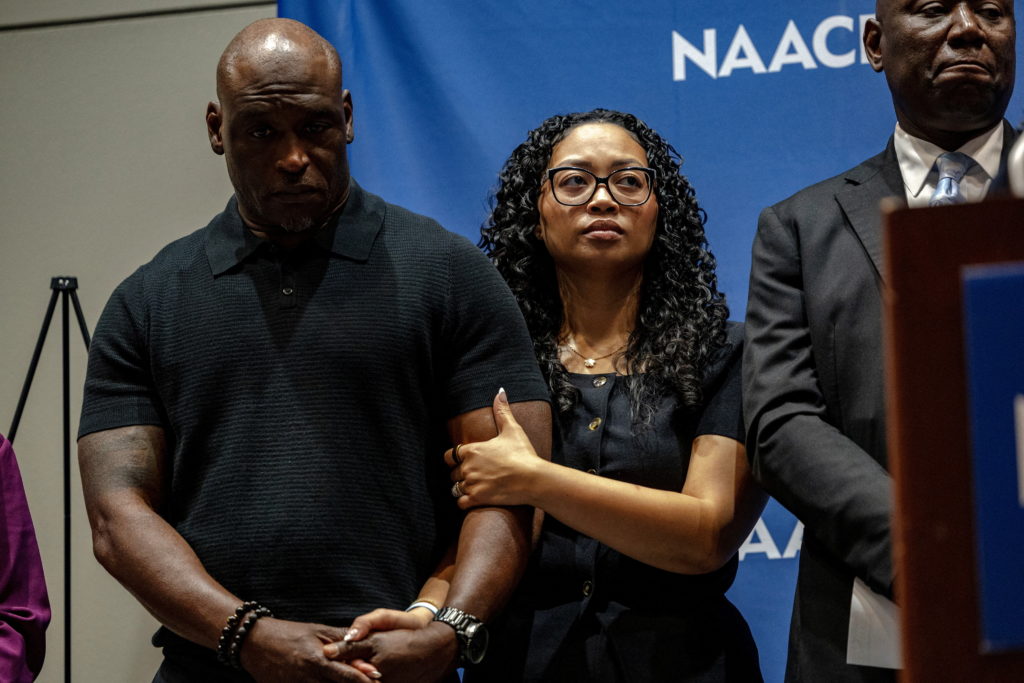
The family and supporters are expected to hold a news conference to address the grand jury's decision and outline their next steps. The case continues to highlight deep divisions over how such incidents are investigated and resolved in Mississippi, with advocates demanding greater transparency while officials maintain that the legal process has been followed correctly.
Sources behind this briefing
Go to the original reporting
- PBS NewsHour↗Mississippi grand jury finds no cause for charges in the July death of Nolan Wells

