The short version
- The Cook Political Report downgraded the Minnesota Senate race from likely Democrat to lean Democrat, reflecting increased competitiveness.
- Lieutenant Governor Peggy Flanagan is linked to a major fraud scandal in state social services, which has eroded her poll numbers.
- Republican challenger Michele Tafoya positions herself as a moderate alternative, distancing herself from some Trump administration policies.
The political landscape in Minnesota, traditionally a stronghold for Democratic candidates in statewide elections, is experiencing unusual volatility ahead of the upcoming Senate contest. For two decades, Republicans have failed to secure victory in any statewide race within the state. However, the current battle for an open Senate seat has tightened significantly, prompting analysts to reconsider their projections. The Cook Political Report recently adjusted its assessment of the race, moving it from a likely Democratic hold to a lean status, signaling that the margin for error has shr considerably.
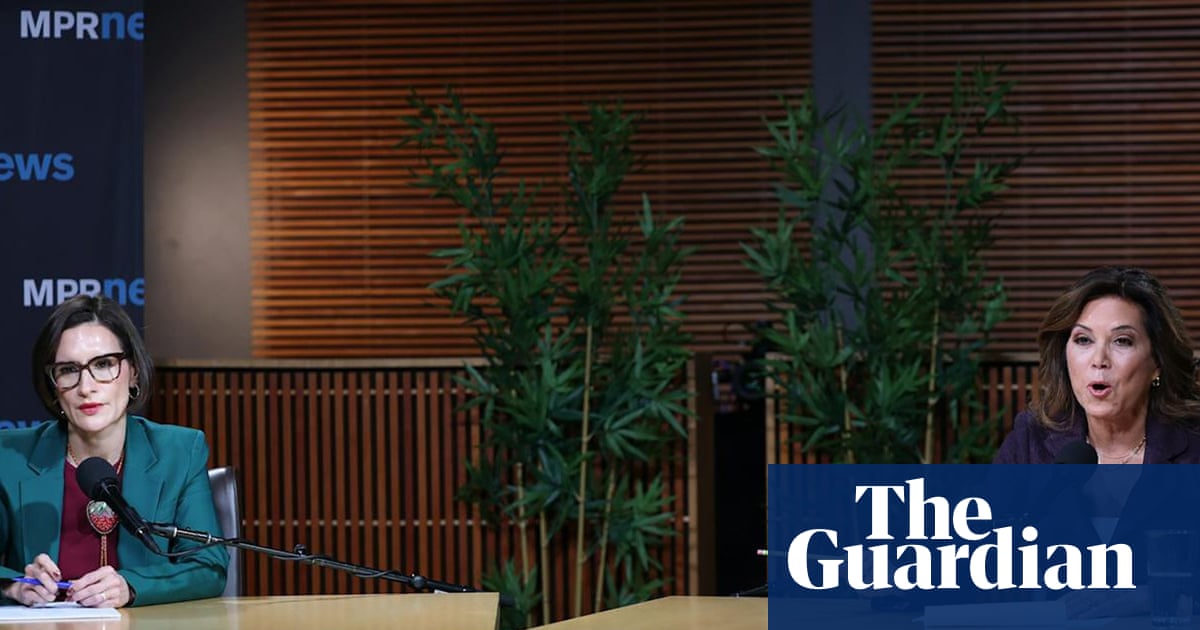
At the center of this shift is Lieutenant Governor Peggy Flanagan, who seeks to become the first Native American woman to serve in the United States Senate. Her campaign faces substantial headwinds due to her association with a widespread fraud scandal involving state social services. As the second-highest official in Tim Walz’s administration, Flanagan is viewed by some voters as responsible for the systemic failures that led to the crisis. Governor Walz himself decided against seeking a third term, citing the political fallout from the fraud issue, which has created an opening for his opponent to capitalize on voter dissatisfaction.
Polling data indicates that while Flanagan maintains a lead, it is considerably narrower than those enjoyed by other Democratic incumbents in the region. A recent survey by the Minnesota Star Tribune showed her ahead by only four points. This margin contrasts sharply with the comfortable leads seen in previous elections and even differs from the dynamics in the concurrent gubernatorial race, where Senator Amy Klobuchar faces a different set of challenges against House Speaker Lisa Demuth. The closeness of the Senate race suggests that traditional Democratic advantages are being tested by specific local grievances.
Michele Tafoya, the Republican nominee, has attempted to distinguish herself from the national party platform. A former NFL reporter, she presents a more pragmatic image than many recent Republican candidates in the state. She has identified as pro-choice, although she has not provided detailed policy specifics regarding abortion access. Furthermore, Tafoya has broken with the Trump administration on foreign policy matters, specifically opposing the war in Iran after initially supporting it. Her reluctance to immediately embrace President Trump’s endorsement suggests a strategy aimed at appealing to moderate voters who may be alienated by more hardline national figures.
The broader political environment in Minnesota remains complex. While the state has not elected a Republican to statewide office since 2006, it is not uniformly blue. The state legislature is currently divided, with the House tied and Democrats holding control of the Senate. This split indicates a electorate that is capable of supporting candidates from both parties depending on the issue and the individual. Independent analysts note that while there is a path for Republican victory, it remains narrow. The situation draws comparisons to Democratic prospects in Texas, where long-standing dominance does not guarantee automatic success.
National political factors also play a role in the local dynamic. President Trump’s approval ratings in Minnesota have hit personal lows, and his administration’s immigration enforcement actions have generated significant backlash. The deployment of federal agents during Operation Metro Surge resulted in the deaths of two U.S. citizens in Minneapolis, an event that has been featured prominently in campaign advertisements against Republican candidates. Trump’s rhetoric targeting the state’s Somali population has further complicated the political atmosphere, with Tafoya declining to specify whether she would attend a potential Trump rally in the state.
Despite the competitive nature of the race, national Republican organizations have not poured significant resources into supporting Tafoya. This lack of external financial backing suggests that party leaders view the race as less critical than defending seats in other unexpected battlegrounds, such as Kansas. Meanwhile, Flanagan continues to campaign vigorously, emphasizing her work ethic and connecting with voters who feel economically squeezed. She has criticized her opponent’s approach to economic hardship, framing it as dismissive of working-class struggles.
As the election approaches, the race remains a bellwether for how local scandals can intersect with national trends. Flanagan’s ability to overcome the liability of the fraud scandal while maintaining her progressive base will be crucial. Tafoya’s strategy of moderating her image and avoiding direct alignment with controversial national figures may resonate with undecided voters. The outcome could have implications beyond Minnesota, offering insights into whether Republicans can break their two-decade drought in statewide elections or if Democratic resilience remains intact despite internal challenges.
The coming weeks will likely see intensified campaigning as both candidates seek to solidify support among key demographics. Flanagan’s history of overcoming underestimation in previous races provides a narrative of perseverance, while Tafoya’s fresh face and moderate stance offer an alternative for voters frustrated with the status quo. The final result will depend on which issues dominate voter priorities: local governance failures or national political alignments. Regardless of the outcome, the race underscores the shifting dynamics within one of America’s most reliably Democratic states.
Analysts caution that while optimism exists among Republicans, historical precedent still favors Democrats until a victory is actually achieved. The narrow path to success for Tafoya requires capitalizing on every available advantage, including voter anger over state management and dissatisfaction with federal policies. For Flanagan, the challenge lies in disentangling her personal record from the administration’s failures while maintaining momentum among her base. The Minnesota Senate race thus stands as a critical test of political resilience and adaptability in a changing electoral landscape.
Sources behind this briefing
Go to the original reporting
- The Guardian US↗In reliably blue Minnesota, could Democrats do the unthinkable and lose a Senate seat?