The short version
- Peggy Flanagan secured the Democratic nomination for U.S. Senate in Minnesota, continuing a trend of progressive victories over moderate candidates within the party.
- The race was heavily influenced by voter anger toward recent federal immigration crackdowns, which damaged the campaign of Rep. Angie Craig due to her prior support for detention legislation.
- Flanagan will face Republican Michele Tafoya in November, while Lisa Demuth won the gubernatorial primary, marking a shift in state leadership with no incumbents seeking re-election.
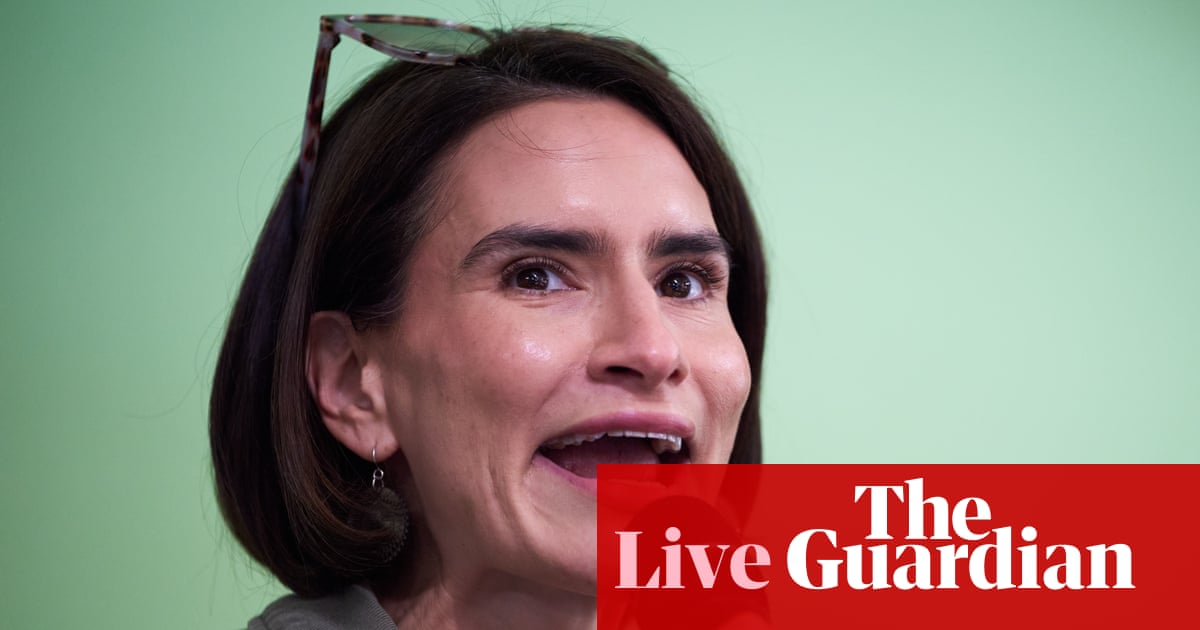
Peggy Flanagan, Minnesota’s lieutenant governor, has won the Democratic primary for the U.S. Senate, securing her place on the November ballot against Republican challenger Michele Tafoya. The victory underscores a broader realignment within the state’s Democratic Party, where progressive candidates are increasingly displacing moderate incumbents and established figures. Flanagan’s win comes in a fully open seat, as Senator Tina Smith chose not to seek re-election, citing a desire to spend time with family and allow new leadership to emerge in the chamber.
The contest between Flanagan and former Congresswoman Angie Craig was defined largely by immigration policy and the political fallout from recent federal enforcement actions. In early 2026, the Trump administration deployed thousands of officers to Minnesota under Operation Metro Surge, resulting in hundreds of deportations and two deaths among residents. This crackdown created a hostile environment for candidates perceived as supportive of strict immigration measures. Craig, who voted for the Laken Riley Act requiring detention for undocumented immigrants accused of local crimes, faced significant backlash despite later expressing regret over her vote.
Flanagan, a citizen of the White Earth Nation and former state representative, positioned herself as an alternative to the establishment. Her campaign capitalized on the anti-ICE sentiment that permeated the primary electorate. While Craig emphasized her electability in a purple district south of the Twin Cities, Flanagan argued that her background as an organizer would better serve progressive goals in Washington. The result reflects a growing impatience among Democratic voters with centrist positions on social and immigration issues.
In the gubernatorial race, Republican Lisa Demuth secured the party’s nomination, defeating Mike Lindell, a pillow salesman who had received endorsement from former President Donald Trump. Demuth, who became speaker of the Minnesota House last year in an evenly divided chamber, is the first Black person to hold that position. Her victory sets up a competitive general election, as Governor Tim Walz dropped his bid for a third term amid ongoing fraud scandals involving state social services.
The absence of incumbents in both major statewide races marks a significant transition period for Minnesota politics. Senator Smith’s decision to step down and Governor Walz’s withdrawal have opened the door for new faces to lead the state. Flanagan’s potential victory would make her the first Native American woman to serve in the U.S. Senate, adding historical significance to the outcome. Meanwhile, Demuth’s rise highlights internal shifts within the Republican Party, moving away from high-profile endorsements toward more traditional political figures.
Craig’s campaign struggled to distance itself from the Laken Riley Act vote, which became a liability in a primary where immigration enforcement was a top concern. Although she attacked Flanagan over accountability issues related to state social service fraud scandals, these criticisms did not resonate strongly enough to overcome the momentum generated by anti-federal enforcement sentiment. The primary results suggest that voters prioritized stance on federal actions over local governance records.
Looking ahead, the general election will test whether the progressive wave seen in the Democratic primary can translate into broader appeal across the state’s diverse electorate. Minnesota has not elected a Republican statewide since 2006, and no Republican presidential candidate has won the state since 1972. However, the national political climate remains volatile, and both candidates will need to navigate complex issues ranging from healthcare to economic policy.
Flanagan’s path to victory relied on mobilizing base voters energized by opposition to federal immigration policies. Her experience as lieutenant governor provides her with executive branch insights, though she lacks congressional tenure. Tafoya, a former NFL sideline reporter, brings name recognition but faces the challenge of overcoming the state’s deep Democratic leanings. The outcome will likely hinge on turnout among suburban and rural voters who may be swayed by national trends or local concerns.
The primary results also reflect broader national patterns where progressive candidates are gaining ground against moderates. This trend has been evident in several states, signaling a potential shift in the Democratic Party’s direction. As the general election approaches, both parties will need to address key issues such as economic stability, healthcare access, and immigration reform. The Minnesota races serve as bellwethers for these larger national debates.
With no incumbents defending their seats, the upcoming November elections offer a clean slate for voters to express their preferences without the baggage of past records. Flanagan and Demuth will need to build coalitions that extend beyond their primary bases. The stakes are high, not just for individual careers but for the future direction of Minnesota’s political landscape. As campaigns intensify, attention will focus on how candidates address the lingering effects of recent federal actions and local governance challenges.
Sources behind this briefing
Go to the original reporting
- The Guardian World↗Minnesota progressive wins Senate primary over anti-ICE sentiments, as Wisconsin governor’s race remains close – live
- The Guardian US Politics↗Progressive Peggy Flanagan sweeps Minnesota Senate primary in race defined by anti-ICE anger
- NPR↗Progressive Peggy Flanagan wins Democratic Senate primary in Minnesota