The short version
- Approximately three-quarters of voters report feeling angry or dissatisfied with the current direction of the United States.
- The economy ranks as the top concern for four in ten voters, while the state of democracy is the primary issue for thirty percent.
- Majorities view President Trump's economic policies and tariff strategies as detrimental to national financial conditions.
A significant majority of American voters heading into the midterm elections express profound dissatisfaction with the current state of the nation. According to recent polling data, roughly three-quarters of respondents describe their feelings about the country’s trajectory as either angry or dissatisfied. This sentiment stands in stark contrast to the minority of voters who report feeling satisfied or enthusiastic, representing only about one-quarter of the electorate. The widespread nature of this discontent suggests a political environment defined by frustration rather than optimism.
This dissatisfaction is not confined to any single geographic region or political leaning. While feelings of discontent are particularly pronounced in states that typically vote Democratic, such as California and Massachusetts, the mood remains negative across the board. Even in states with strong Republican leanings, a majority of voters indicated they were at least dissatisfied with how things are going. This broad-based unhappiness indicates that the current political climate is failing to satisfy voters regardless of their usual partisan affiliations.
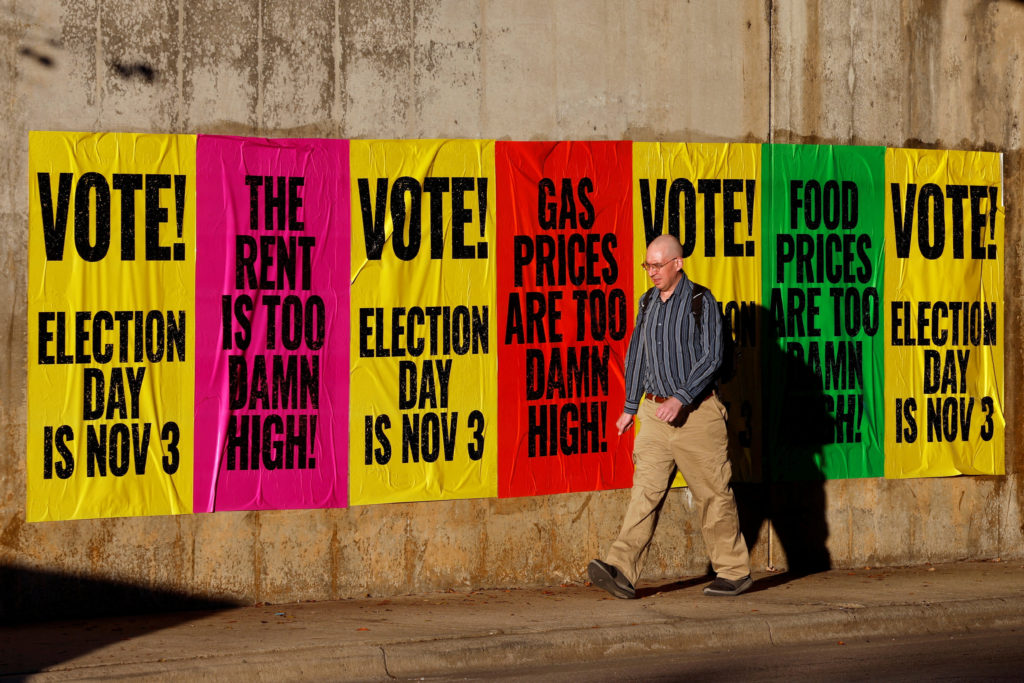
Economic concerns sit at the forefront of this voter anxiety. Approximately three-quarters of respondents characterized the condition of the economy as poor or not so good, a figure consistent with recent trends in national polling. When asked to identify the single most important issue facing the country, about forty percent of voters pointed to the economy. Specific worries about rising gas prices and the cost of groceries are driving this focus, reflecting tangible pressures on household budgets that dominate public discourse.
The integrity of democratic institutions represents the second major pillar of voter concern. About thirty percent of respondents identified the state of democracy as the top issue facing the nation. This concern is closely linked to broader anxieties about government corruption and the cost of living, which roughly half of all voters deemed crucial factors in their congressional voting decisions. These issues overshadow other potential topics, with significantly fewer voters citing immigration, health care, foreign policy, or crime as their primary motivations.
President Trump faces substantial criticism regarding his economic stewardship. Approximately two-thirds of midterm voters believe that his policies have worsened economic conditions in the United States, while only about thirty percent feel they have improved the situation. This negative assessment extends specifically to trade policy, with a similar majority stating that his tariff strategies have harmed the national economy. These views contribute to a broader skepticism about the administration's ability to manage financial stability.
Beyond specific economic metrics, voters hold largely negative views of Trump’s leadership capabilities and priorities. More than half of respondents indicated that he lacks strength as a leader, does not fight for people like them, and fails to prioritize the right issues. Concerns also extend to his mental capacity to serve effectively, with majorities expressing doubt in this area. These perceptions suggest a deep erosion of confidence in his executive competence among the general electorate.
Trust in the president’s motives remains low, with about sixty percent of voters believing he places higher priority on his personal interests than on those of the country. Only forty percent feel he weighs national interests more heavily. This perception of self-interest compounds the existing dissatisfaction with policy outcomes, creating a feedback loop where negative results are attributed to flawed intentions rather than external factors or bad luck.
The contrast between economic and democratic concerns and other potential issues is stark. While government corruption and living costs dominate voter priorities, topics such as immigration enforcement policies, the war in Iran, and artificial intelligence data centers rank much lower in importance. This hierarchy of concerns provides a clear map for candidates seeking to connect with voters, highlighting where the electorate’s attention is currently focused and where it is not.
As election day approaches, these findings underscore a electorate that is deeply unhappy with the status quo. The combination of economic anxiety and democratic apprehension creates a challenging landscape for incumbents and a motivated base for challengers. Whether this frustration translates into specific voting patterns will depend on how candidates address these dual concerns in their final campaigns.
The data reflects a moment of significant political tension, where traditional partisan lines are blurred by widespread discontent. Voters across the spectrum feel that the country is moving in a direction they do not support. This unified dissatisfaction may prove to be the defining feature of the midterm elections, shaping outcomes more than any single policy issue or candidate personality.
Sources behind this briefing
Go to the original reporting
- PBS NewsHour↗AP Voter Poll: The economy and the state of democracy are voters' top issues


